
Learning Science: How the Brain Actually Learns
An evidence-based hub on how brains acquire skill — spacing, retrieval, interleaving, cognitive load, mindset, and the neuroscience behind durable learning.
Key takeaways
- Spaced retrieval is the single highest-leverage learning technique.
- Interleaving outperforms blocked practice for long-term transfer.
- Cognitive load is finite; instruction design must respect working-memory limits.
- Mindset and metacognition shape what learners actually do with their time.
- Sleep after learning is part of the technique, not a luxury.
What this hub covers
Most learning advice is folk wisdom. The cognitive-science record is unusually consistent: a small set of techniques produces most of the gains. This hub documents what actually transfers and why — from K-12 to professional skill acquisition.
Long-form articles
Sourced, evidence-based explainers. New entries added regularly.
Learning · Overview · 9 min
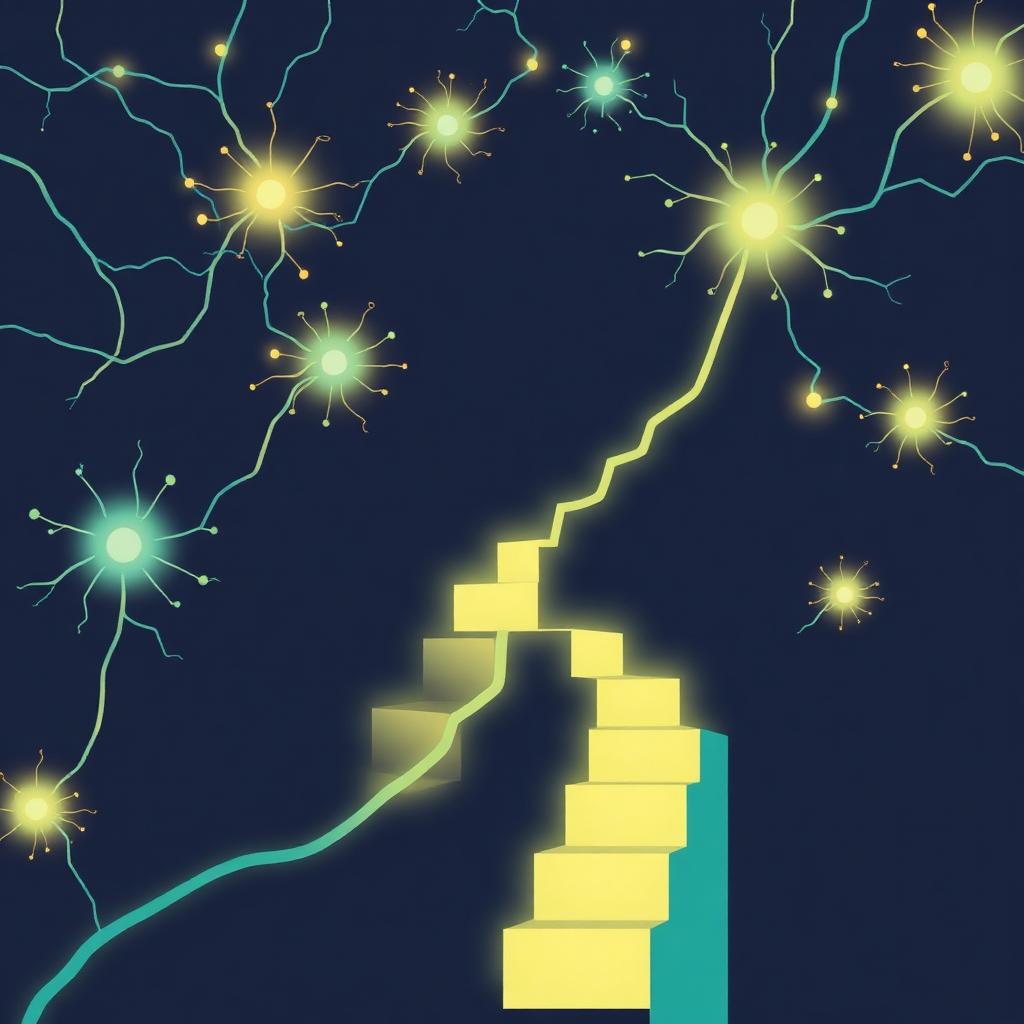
The Science of Learning: What 100 Years of Research Converged On
A small set of evidence-based techniques produces most of the gains in human learning. The rest is folklore.
Read article

Memory · Spacing · 8 min
Spaced Repetition: The Spacing Effect Explained
Spaced retrieval — testing yourself at expanding intervals — is the single most-studied and most-replicated technique in learning science.
Read article
Memory · Active Recall · 8 min
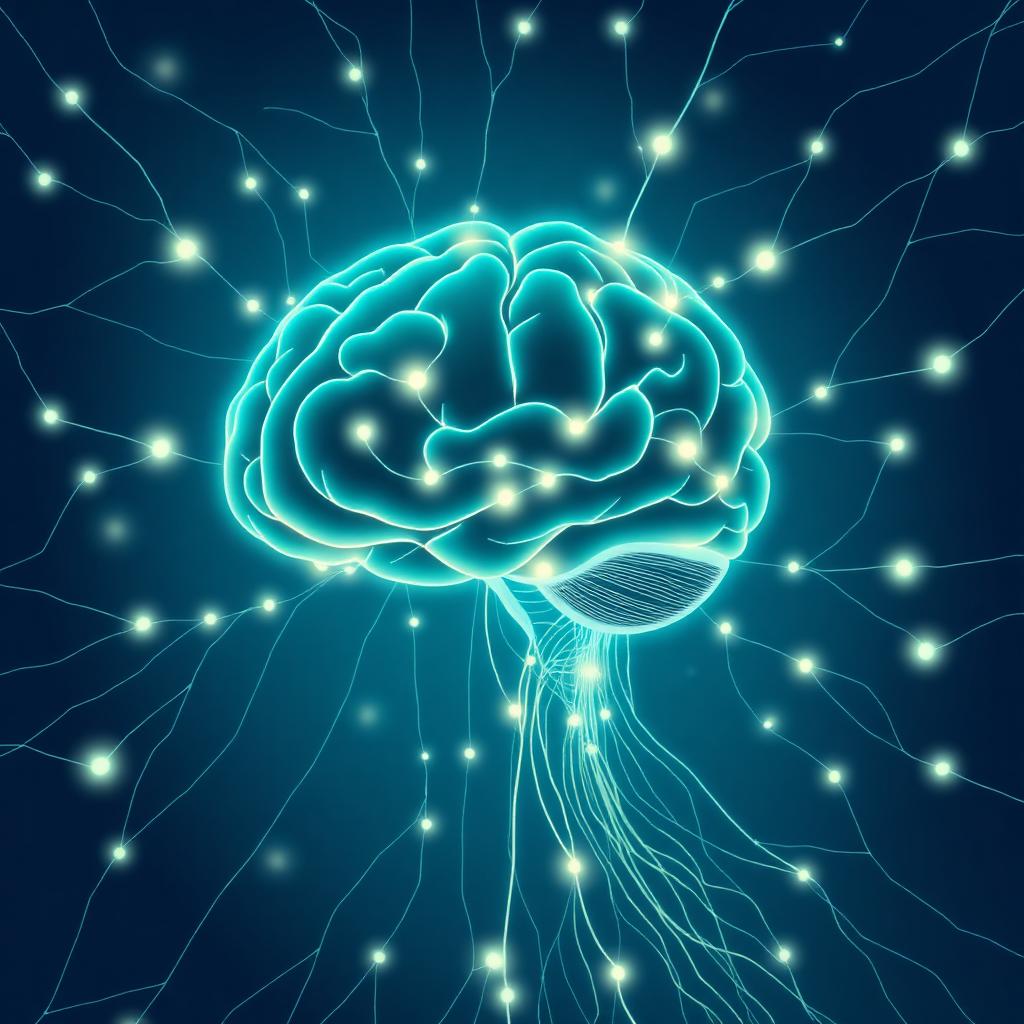
Retrieval Practice: Why Testing Is Studying
Active recall outperforms re-reading across virtually every controlled comparison. Testing is not just assessment — it is learning.
Read article

Practice · Transfer · 8 min
Interleaving and Deliberate Practice
Mixing problem types and deliberately working at the edge of competence produces deeper, more transferable skill than blocked drills.
Read article

Instruction · Working Memory · 8 min
Cognitive Load Theory: Designing for Working Memory
Working memory is the bottleneck of learning. Cognitive Load Theory explains how instructional design can respect — or violate — its limits.
Read article
Mindset · Motivation · 8 min
Growth Mindset: The Neuroscience and the Caveats
Believing intelligence is malleable changes how people respond to setbacks. The effects are real but smaller than early popularization implied.
Read article
Self-Regulation · Strategy · 7 min
Metacognition: Learning How You Learn
Metacognition — thinking about your own thinking — is one of the strongest predictors of academic success. It can be trained.
Read article
Reading · Neuroscience · 8 min
How the Brain Reads: From Symbols to Meaning
Reading is a recent cultural invention repurposing visual and language circuits. Its neural pathway is now well mapped — and its failure modes well understood.
Read article
Frequently asked questions
What is the most effective study technique?
+
Spaced retrieval — testing yourself at expanding intervals. It outperforms re-reading and highlighting across decades of studies.
Does learning style matter?
+
The 'learning styles' hypothesis lacks empirical support. Matching content to format (e.g. diagrams for spatial material) matters more than matching to a learner's preferred style.
How long should study sessions be?
+
Shorter, spaced sessions usually beat marathon sessions of equal total duration.
Further reading & sources
Explore the BRAINMATTER pillars
Authoritative cornerstone hubs across human intelligence, AI, neurotechnology, and the brain economy. Each link goes to a pillar with long-form explainers, sources, and FAQs.
The Future of Human Intelligence
Flagship pillar on cognitive neuroscience, neuroplasticity, and the next 25 years of the human mind.
Human intelligence · Neuroplasticity · Brain capital
Human Intelligence & Cognitive Neuroscience
How the brain learns, remembers, reasons, and feels — from working memory to consciousness.
Cognitive neuroscience · Memory · Consciousness
Artificial Intelligence & NeuroAI
Foundation models, transformers, multimodal systems, and brain-inspired AI architectures.
AI · NeuroAI · Foundation models
Artificial General Intelligence (AGI)
Definitions, benchmarks, timelines, and the open scientific problems on the road to AGI.
AGI · Superintelligence · Scaling laws
Neurotechnology & Brain–Computer Interfaces
BCIs, neural implants, neuromodulation, and the engineering of human cognition.
Neurotechnology · BCI · Neural implants
Human–AI Collaboration & Cognitive Enhancement
How humans and intelligent systems augment each other's reasoning, creativity, and decision-making.
Human-AI collaboration · Cognitive enhancement
Neurodivergence & Brain Health
Autism, ADHD, dyslexia, and the neuroscience of cognitive diversity and lifelong brain health.
Neurodivergence · Brain health · Neurodiversity
AI Ethics, Safety & Alignment
Bias, privacy, misinformation, AI safety, and governance of intelligent systems.
AI ethics · Alignment · Governance
Future of Humanity & the Brain Economy
Long-horizon scenarios for the brain economy, post-AGI society, and civilizational risk.
Brain economy · Post-AGI · Long-termism
Intelligence Index — Human vs Machine
The definitive comparison of biological and artificial cognition across substrate, scale, and reasoning.
Intelligence index · Benchmarks · Comparative cognition
Frontier AI & Neuroscience Labs
Deep profiles of the research organizations defining the next era of intelligence.
OpenAI · Anthropic · DeepMind · Neuralink