
Learning Science: How the Brain Actually Learns
An evidence-based hub on how brains acquire skill — spacing, retrieval, interleaving, cognitive load, mindset, and the neuroscience behind durable learning.
Key takeaways
- Spaced retrieval is the single highest-leverage learning technique.
- Interleaving outperforms blocked practice for long-term transfer.
- Cognitive load is finite; instruction design must respect working-memory limits.
- Mindset and metacognition shape what learners actually do with their time.
- Sleep after learning is part of the technique, not a luxury.
What this hub covers
Most learning advice is folk wisdom. The cognitive-science record is unusually consistent: a small set of techniques produces most of the gains. This hub documents what actually transfers and why — from K-12 to professional skill acquisition.
Long-form articles
Sourced, evidence-based explainers. New entries added regularly.
Learning · Overview · 9 min
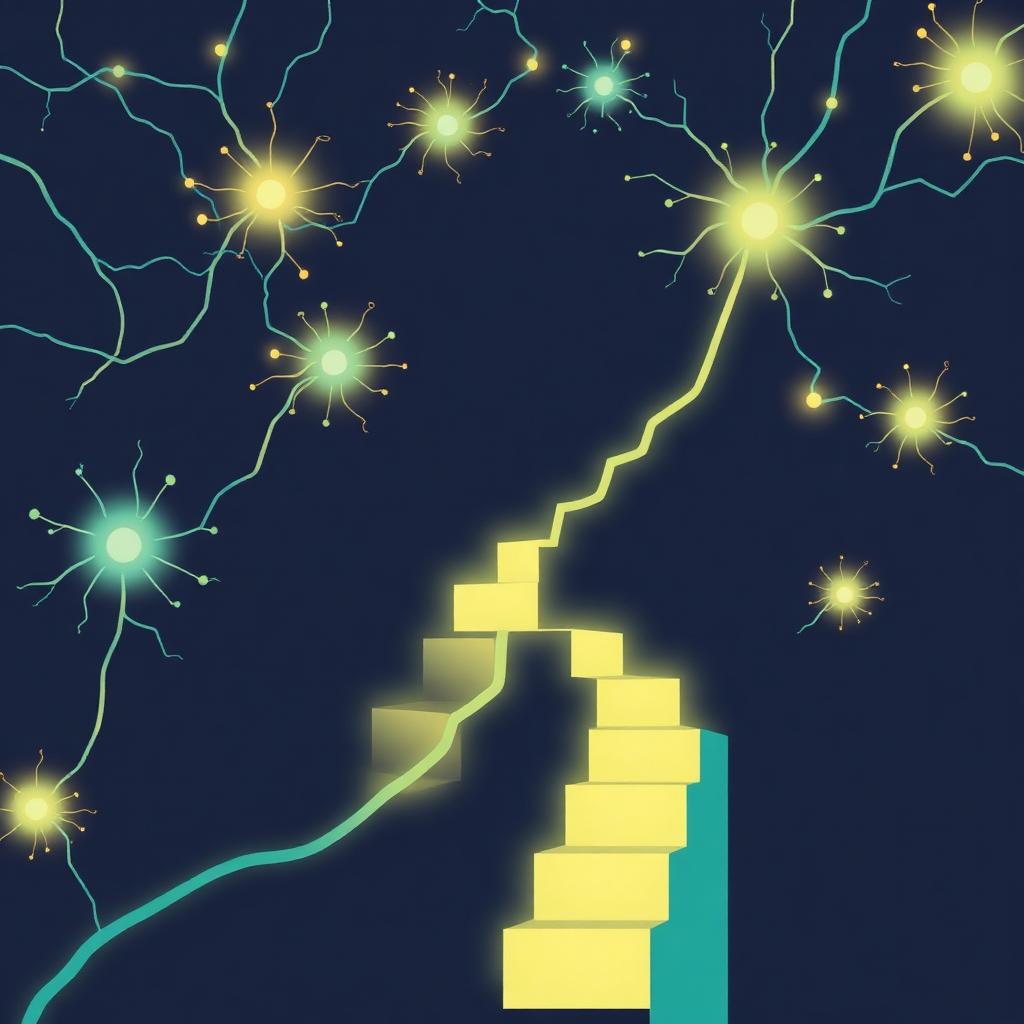
The Science of Learning: What 100 Years of Research Converged On
A small set of evidence-based techniques produces most of the gains in human learning. The rest is folklore.
Read article

Memory · Spacing · 8 min
Spaced Repetition: The Spacing Effect Explained
Spaced retrieval — testing yourself at expanding intervals — is the single most-studied and most-replicated technique in learning science.
Read article
Memory · Active Recall · 8 min
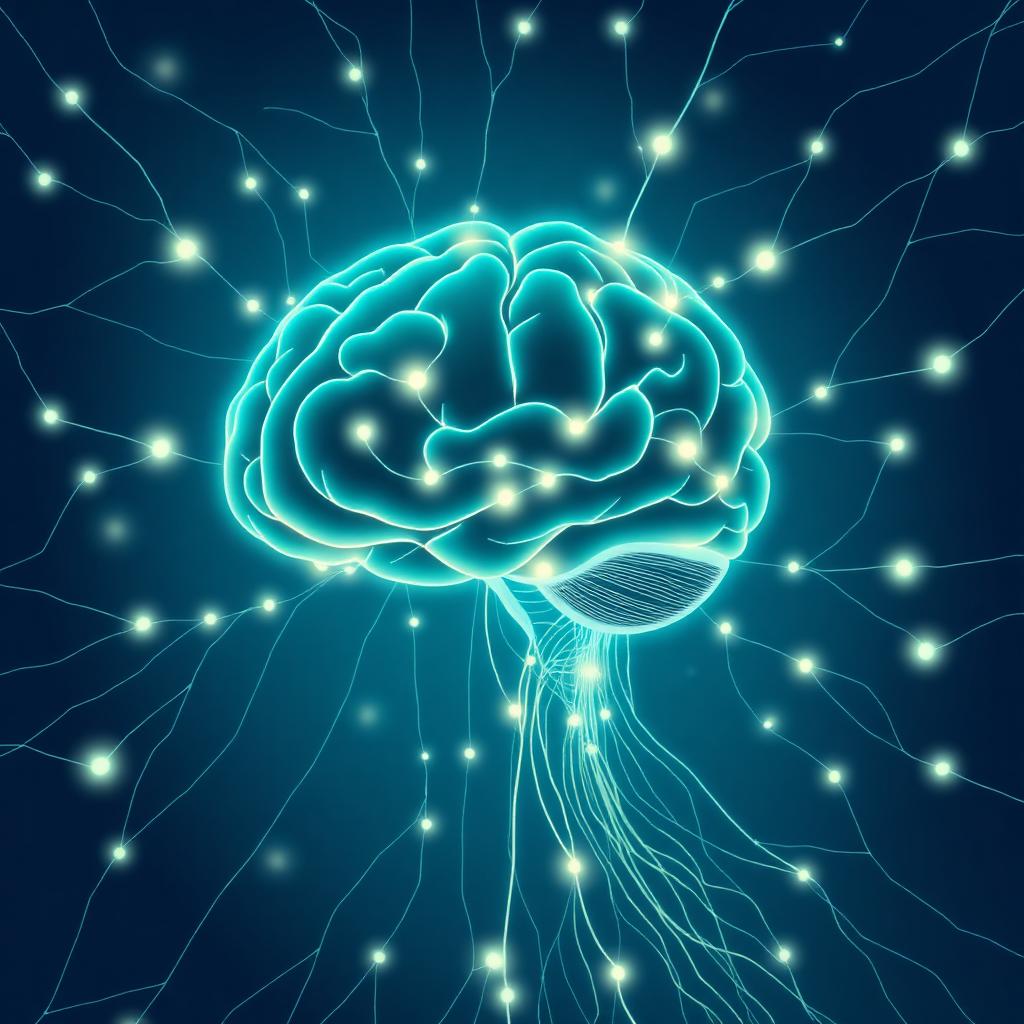
Retrieval Practice: Why Testing Is Studying
Active recall outperforms re-reading across virtually every controlled comparison. Testing is not just assessment — it is learning.
Read article

Practice · Transfer · 8 min
Interleaving and Deliberate Practice
Mixing problem types and deliberately working at the edge of competence produces deeper, more transferable skill than blocked drills.
Read article
Instruction · Working Memory · 8 min
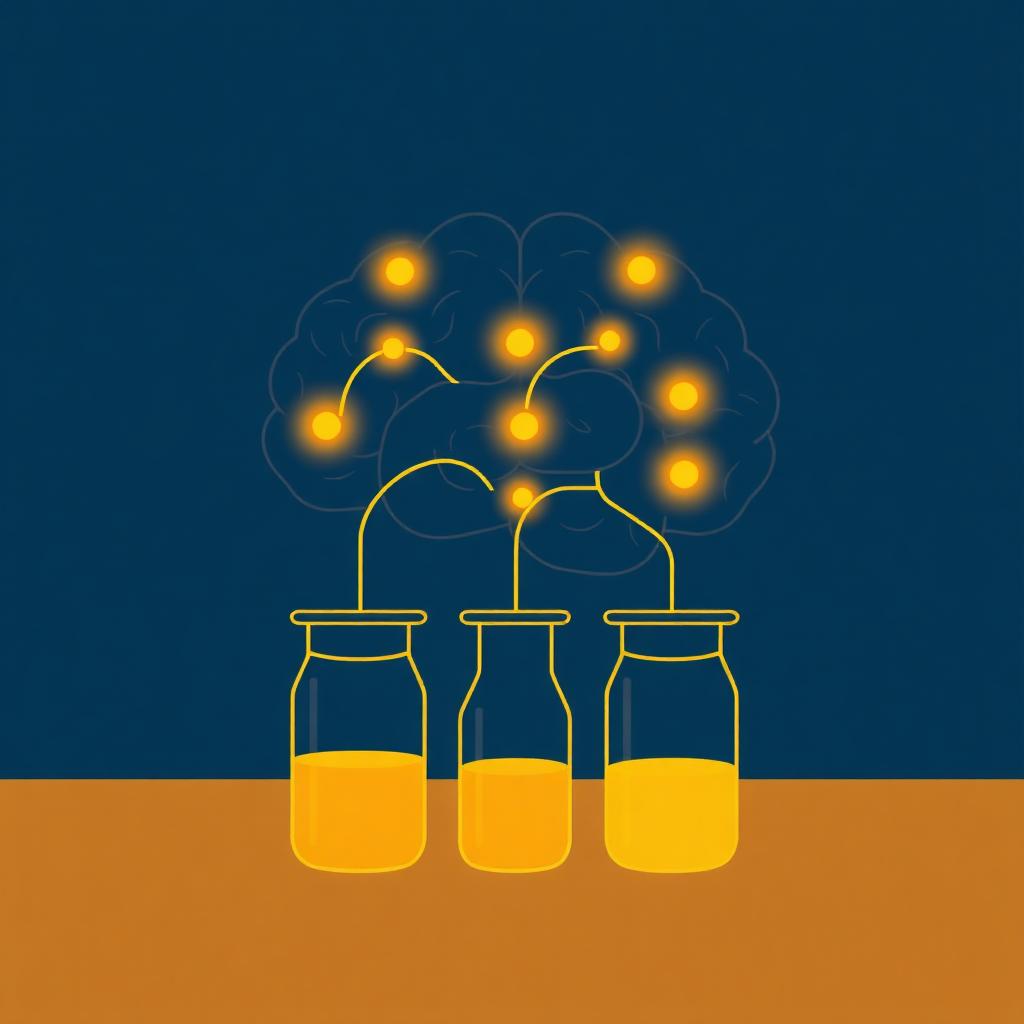
Cognitive Load Theory: Designing for Working Memory
Working memory is the bottleneck of learning. Cognitive Load Theory explains how instructional design can respect — or violate — its limits.
Read article
Mindset · Motivation · 8 min
Growth Mindset: The Neuroscience and the Caveats
Believing intelligence is malleable changes how people respond to setbacks. The effects are real but smaller than early popularization implied.
Read article
Self-Regulation · Strategy · 7 min
Metacognition: Learning How You Learn
Metacognition — thinking about your own thinking — is one of the strongest predictors of academic success. It can be trained.
Read article
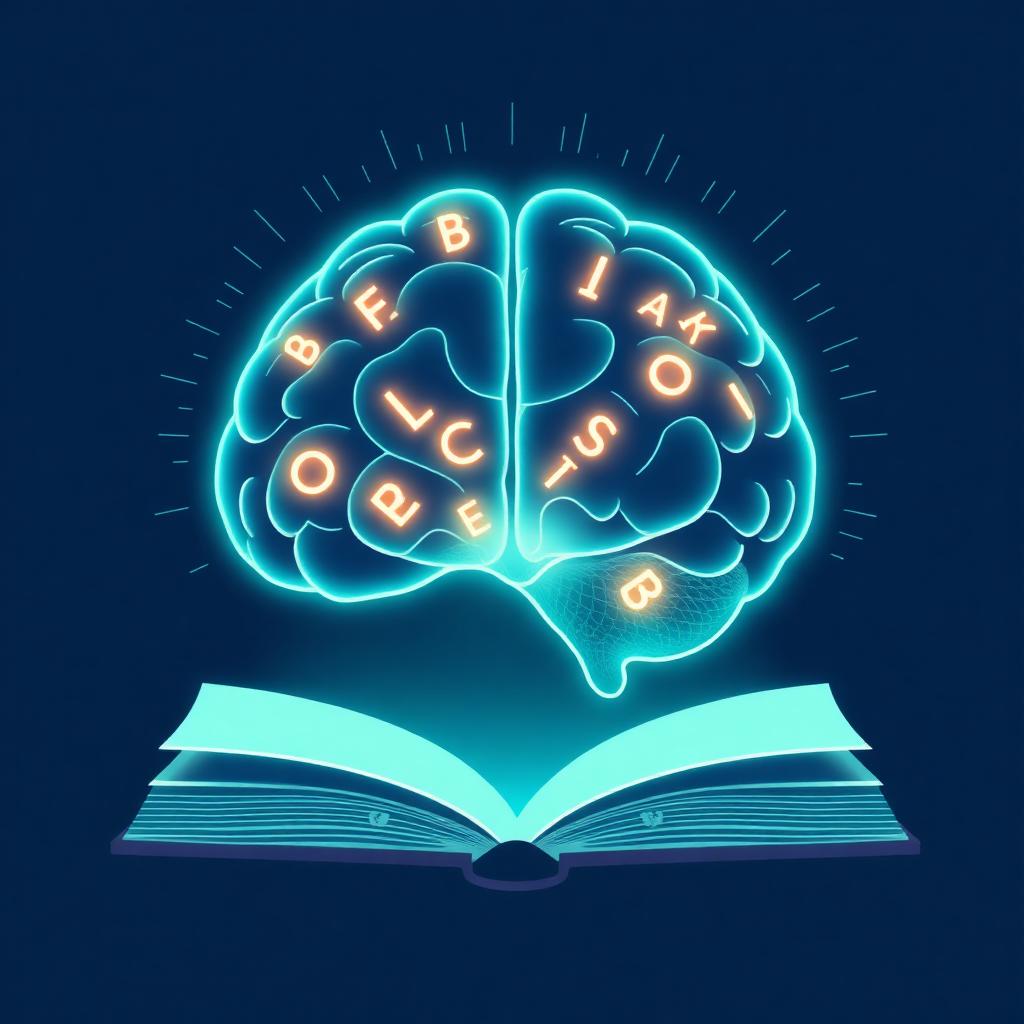
Reading · Neuroscience · 8 min
How the Brain Reads: From Symbols to Meaning
Reading is a recent cultural invention repurposing visual and language circuits. Its neural pathway is now well mapped — and its failure modes well understood.
Read article
Frequently asked questions
What is the most effective study technique?
+
Spaced retrieval — testing yourself at expanding intervals. It outperforms re-reading and highlighting across decades of studies.
Does learning style matter?
+
The 'learning styles' hypothesis lacks empirical support. Matching content to format (e.g. diagrams for spatial material) matters more than matching to a learner's preferred style.
How long should study sessions be?
+
Shorter, spaced sessions usually beat marathon sessions of equal total duration.
Further reading & sources
Expert video: neuroplasticity across the lifespan
This talk complements the material on this page by tracing how repeated, effortful practice reshapes cortical maps. Michael Merzenich's laboratory work is central to the modern view that plasticity persists into adulthood rather than closing after early development. Watch it as background context for the mechanisms described here, not as personal guidance.
Michael Merzenich, PhD
Neuroscientist, researcher in cortical plasticity · Center for BrainHealth, The University of Texas at Dallas
Video credit: Center for BrainHealth, The University of Texas at Dallas. Embedded from YouTube; BRAINMATTER is not the publisher and adds only the editorial context above.
Sponsor this work
BRAINMATTER is independent and reader-supported. Everything here stays free, ad-light, and open to everyone. A one-time sponsorship covers research time, editorial review, and hosting so we can keep publishing without paywalls.
Explore the BRAINMATTER pillars
Authoritative cornerstone hubs across human intelligence, AI, neurotechnology, and the brain economy. Each link goes to a pillar with long-form explainers, sources, and FAQs.
The Future of Human Intelligence
Flagship pillar on cognitive neuroscience, neuroplasticity, and the next 25 years of the human mind.
Human intelligence · Neuroplasticity · Brain capital
Human Intelligence & Cognitive Neuroscience
How the brain learns, remembers, reasons, and feels — from working memory to consciousness.
Cognitive neuroscience · Memory · Consciousness
Artificial Intelligence & NeuroAI
Foundation models, transformers, multimodal systems, and brain-inspired AI architectures.
AI · NeuroAI · Foundation models
Artificial General Intelligence (AGI)
Definitions, benchmarks, timelines, and the open scientific problems on the road to AGI.
AGI · Superintelligence · Scaling laws
Neurotechnology & Brain–Computer Interfaces
BCIs, neural implants, neuromodulation, and the engineering of human cognition.
Neurotechnology · BCI · Neural implants
Human–AI Collaboration & Cognitive Enhancement
How humans and intelligent systems augment each other's reasoning, creativity, and decision-making.
Human-AI collaboration · Cognitive enhancement
Neurodivergence & Brain Health
Autism, ADHD, dyslexia, and the neuroscience of cognitive diversity and lifelong brain health.
Neurodivergence · Brain health · Neurodiversity
AI Ethics, Safety & Alignment
Bias, privacy, misinformation, AI safety, and governance of intelligent systems.
AI ethics · Alignment · Governance
Future of Humanity & the Brain Economy
Long-horizon scenarios for the brain economy, post-AGI society, and civilizational risk.
Brain economy · Post-AGI · Long-termism
Intelligence Index — Human vs Machine
The definitive comparison of biological and artificial cognition across substrate, scale, and reasoning.
Intelligence index · Benchmarks · Comparative cognition
Frontier AI & Neuroscience Labs
Deep profiles of the research organizations defining the next era of intelligence.
OpenAI · Anthropic · DeepMind · Neuralink