
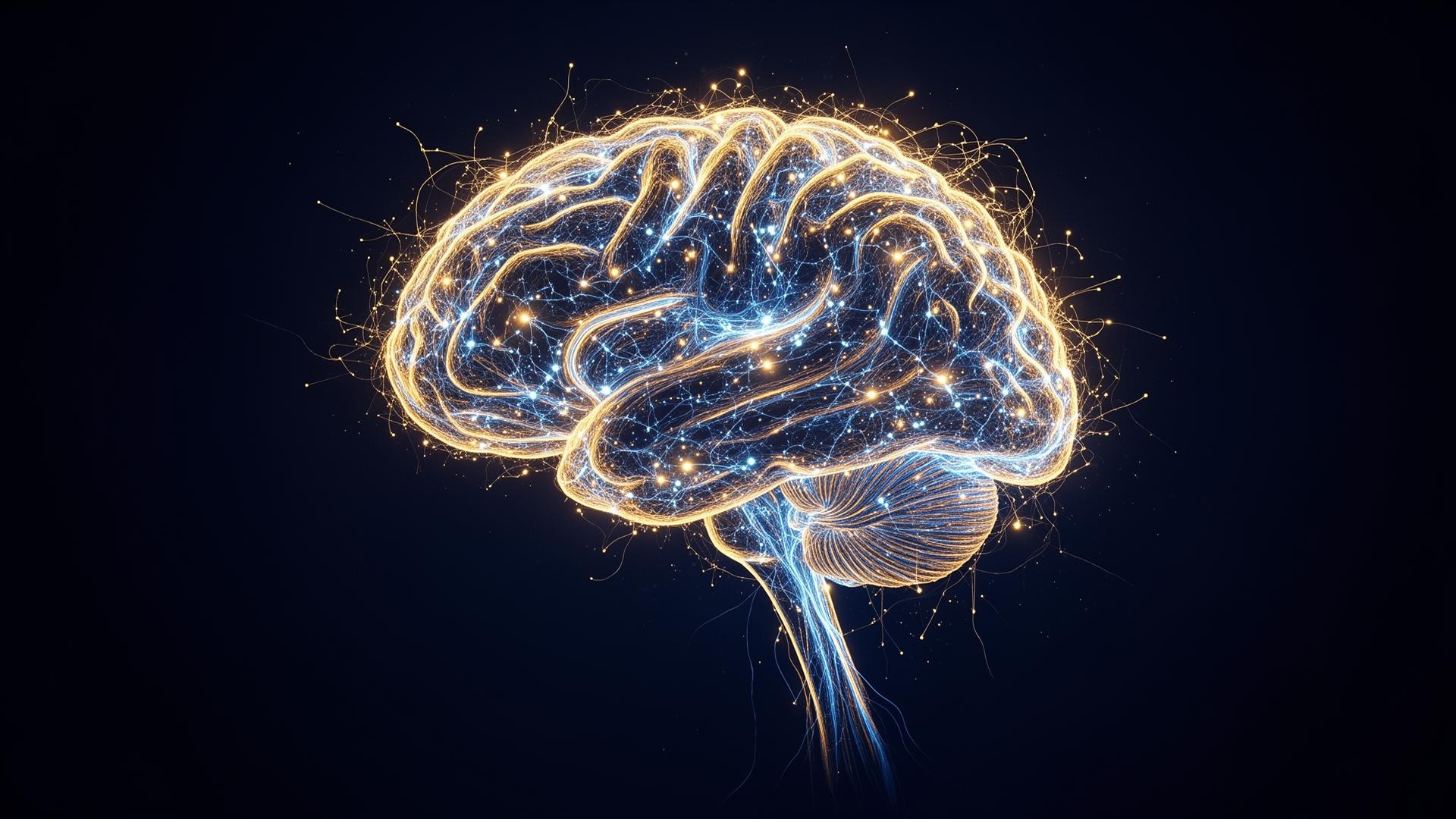
Embodied Cognition
Cognition is not confined to the brain. The body and environment shape what and how we think - a perspective with implications for AI, robotics, and human flourishing.
Key facts
- Embodiment is supported by sensorimotor activation during cognition.
- Concepts are grounded in perception and action.
- LLMs lack physical grounding by default.
- Robotics and multimodal AI partially address this.
The Embodiment Thesis
Embodied cognition holds that cognitive processes are deeply shaped by sensorimotor experience and bodily structure. Concepts are grounded in perception and action, not abstract symbols floating free.
Evidence
Behavioral studies show sensorimotor activation during conceptual tasks. Lakoff and Johnson's work on conceptual metaphor argues that abstract reasoning routinely co-opts spatial and bodily schemas.
Implications for AI
Disembodied LLMs achieve striking competence on language tasks but plausibly miss the grounded understanding embodied creatures derive from action in the world. Robotics and multimodal systems aim to close this gap.
Frequently asked
Does embodiment matter for AGI?
+
Many researchers argue grounding is necessary for robust commonsense reasoning; others believe sufficient scale can substitute.
Sources & further reading
Tools for a sharper mind
Books, journals and gear frequently cited across cognitive science reading lists. As an Amazon Associate BRAINMATTER earns from qualifying purchases at no extra cost to you.
Sponsor this work
BRAINMATTER is independent and reader-supported. Everything here stays free, ad-light, and open to everyone. A one-time sponsorship covers research time, editorial review, and hosting so we can keep publishing without paywalls.
Continue in this series
Biological Substrate
The Neuron and the Brain
Sensory Cognition
Perception and Attention
Storage and Recall
Memory Systems
Higher Cognition
Reasoning and Decision-Making
Communication
Language and Symbolic Thought
Subjective Experience
Consciousness: The Hardest Problem
Related across BRAINMATTER
Cornerstone pages on the same topics — across other authority hubs.
Cognition & Neuroscience
Human Intelligence hub
Cognitive neuroscience for the modern mind.
Cognition & Neuroscience
The Future of Human Intelligence
Neuroplasticity, memory, and the 25-year outlook.
Cognition & Neuroscience
Neurodivergence
Cognitive variation across autism, ADHD, and dyslexia.
Cognition & Neuroscience
Glossary of cognitive terms
Authoritative definitions for the science.