
Pain and the Brain
How the brain constructs the experience of pain, why chronic pain outlives injury, and what modern neuroscience tells us about effective, evidence-based pain treatment.
Key takeaways
- Pain is constructed by the brain from nociceptive input plus attention, emotion, expectation, and context.
- Chronic pain typically involves nervous system changes — central sensitization — that outlast tissue healing.
- Placebo analgesia produces real neurobiological pain reduction through endogenous opioid and other systems.
- Long-term opioid therapy for chronic non-cancer pain rarely produces sustained benefit and carries substantial risk.
- Multimodal treatment combining medical, physical, and psychological interventions consistently outperforms single-modality approaches.
What this hub covers
Pain is the most universal medical experience and one of the most misunderstood. This hub examines pain as a brain construction shaped by sensory, emotional, and cognitive inputs. It covers acute nociception, central sensitization in chronic pain, placebo analgesia, opioids, mindfulness-based interventions, and specific conditions like migraine and phantom limb pain.
Long-form articles
Sourced, evidence-based explainers. New entries added regularly.
Pain · Foundations · 9 min
The Neuroscience of Pain: An Overview
Pain is not simply a signal from injured tissue. It is a complex experience constructed by the brain from sensory, emotional, and cognitive inputs. This article introduces modern pain neuroscience.
Read article
Chronic · Sensitization · 9 min
Chronic Pain: Why Pain Outlives Injury
Chronic pain affects roughly 1 in 5 adults and often persists after the original injury has healed. This article examines the neuroscience of central sensitization and chronic pain syndromes.
Read article
Theory · Modulation · 7 min
The Gate Control Theory of Pain
Melzack and Wall's 1965 gate control theory revolutionized pain science by showing that pain signals are modulated at the spinal cord, not merely transmitted. This article explains its mechanisms and modern updates.
Read article
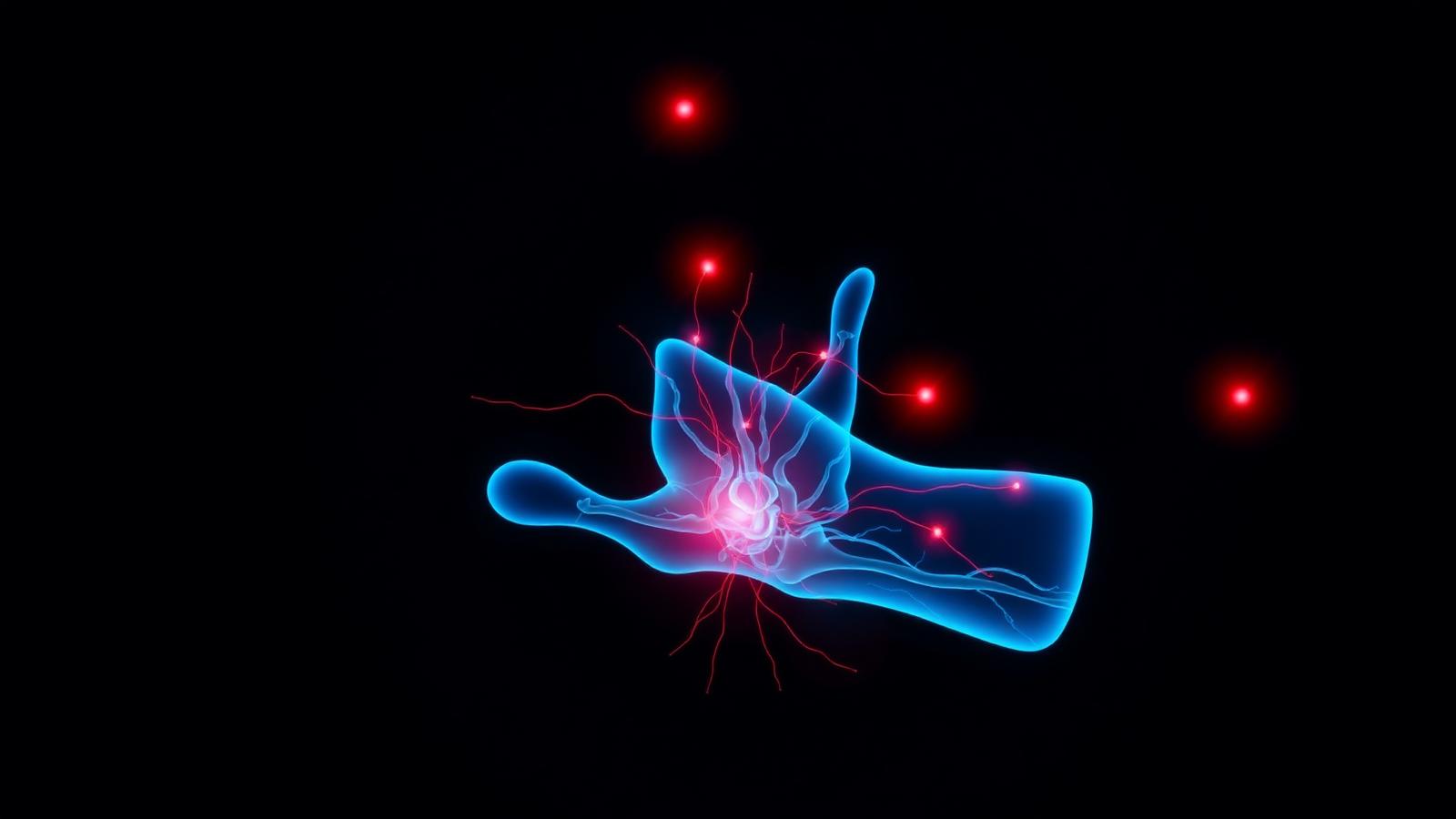
Plasticity · Body · 8 min
Phantom Limb Pain and Body Mapping
Most amputees feel sensations from their missing limbs, and many experience phantom pain. This article explores what phantom limbs reveal about how the brain maps the body.
Read article
Expectation · Modulation · 8 min
The Placebo Effect: Real Pain Relief from Inert Treatments
Placebo analgesia involves measurable changes in brain activity and endogenous opioid release. This article explains how expectation and context produce real pain relief.
Read article
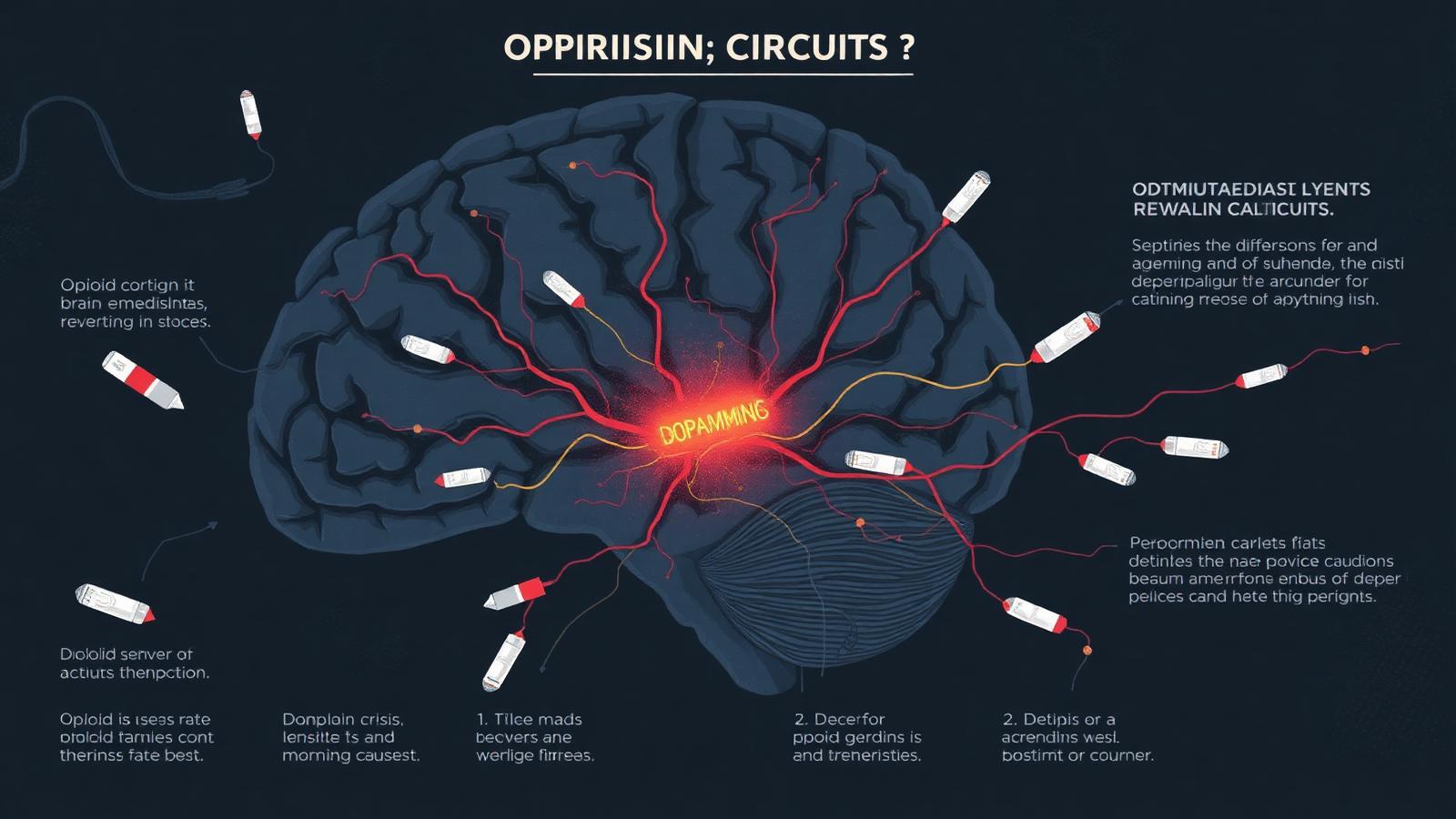
Pharmacology · Risk · 9 min
Opioids and the Brain: Mechanisms, Use, and Risk
Opioids are the most powerful analgesics in medicine — and the source of a global crisis. This article reviews their neuroscience, clinical role, and the risks driving the opioid epidemic.
Read article
Mind-body · Practice · 8 min
Mindfulness and Pain Reduction
Mindfulness meditation produces measurable reductions in pain through distinct neural mechanisms. This article reviews the evidence for mindfulness-based pain interventions.
Read article
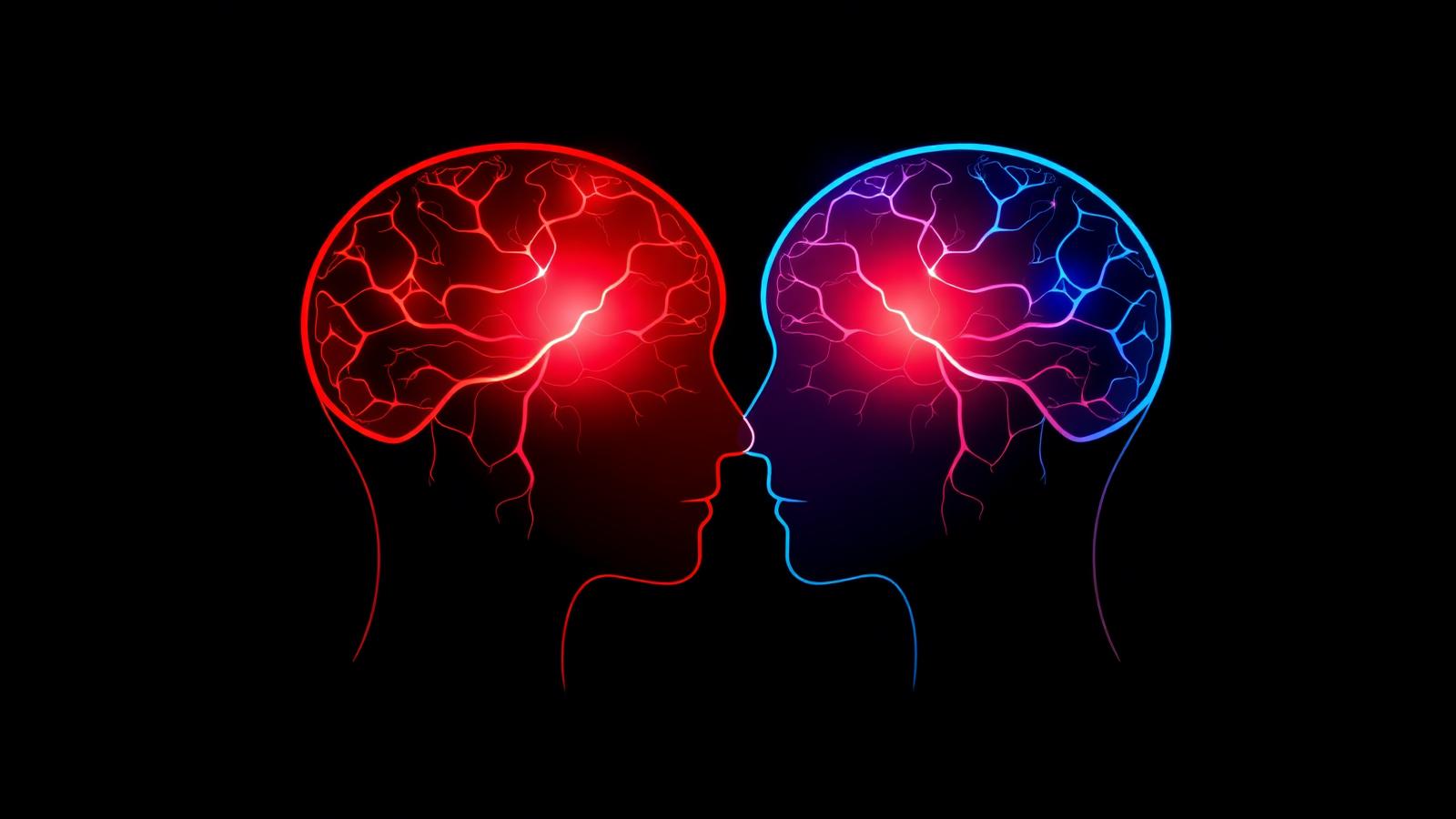
Social · Empathy · 7 min
Empathy for Pain: How the Brain Shares Suffering
Watching another person in pain activates many of the same brain regions as feeling pain yourself. This article explores the neuroscience of pain empathy and its implications.
Read article
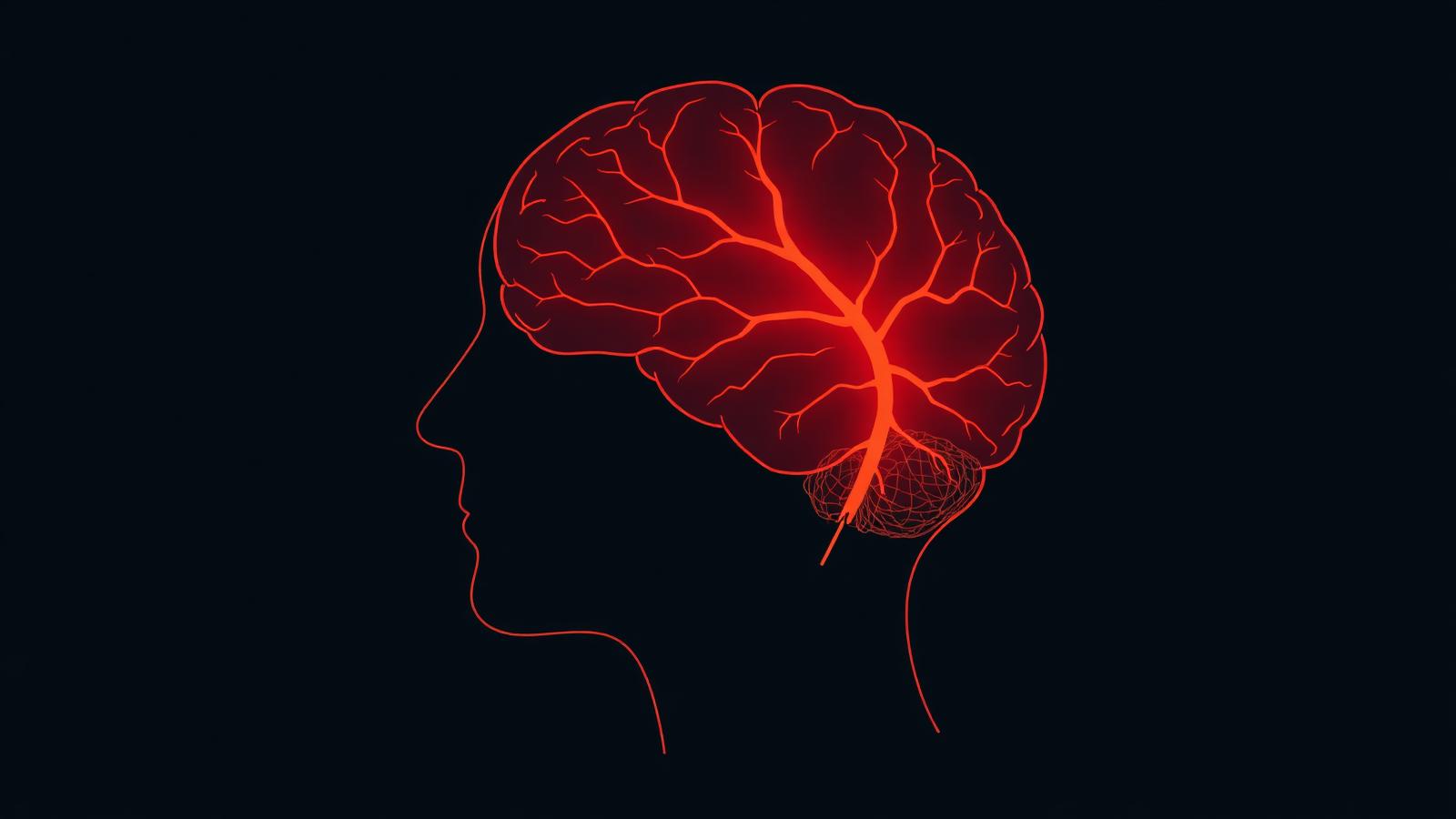
Migraine · Headache · 9 min
Migraine and Headache: The Neuroscience of Head Pain
Migraine affects roughly 12% of adults and is a leading cause of disability worldwide. This article explains the brain mechanisms underlying migraine and modern treatments.
Read article
Frequently asked questions
Is pain 'all in the head'?
+
Pain is constructed by the brain, but that does not make it imaginary. The brain construction is real and produces real suffering, even when no tissue damage is present.
Why does my chronic pain persist after my injury healed?
+
Central sensitization can outlast tissue healing. The nervous system has effectively 'learned' the pain, and the brain may continue to generate it without ongoing peripheral input.
Are opioids ever appropriate?
+
Yes — for acute severe pain, cancer pain, and selected chronic conditions where benefits outweigh risks. They are generally not first-line for chronic non-cancer pain.
Does mindfulness actually reduce pain?
+
Yes. Multiple trials show modest but meaningful pain reduction through mechanisms distinct from placebo and opioid analgesia.
What is the best treatment for chronic pain?
+
Multimodal care — combining appropriate medications, physical therapy, exercise, sleep optimization, and psychological interventions like CBT — produces best outcomes for most chronic pain conditions.
Further reading & sources
Explore the BRAINMATTER pillars
Authoritative cornerstone hubs across human intelligence, AI, neurotechnology, and the brain economy. Each link goes to a pillar with long-form explainers, sources, and FAQs.
The Future of Human Intelligence
Flagship pillar on cognitive neuroscience, neuroplasticity, and the next 25 years of the human mind.
Human intelligence · Neuroplasticity · Brain capital
Human Intelligence & Cognitive Neuroscience
How the brain learns, remembers, reasons, and feels — from working memory to consciousness.
Cognitive neuroscience · Memory · Consciousness
Artificial Intelligence & NeuroAI
Foundation models, transformers, multimodal systems, and brain-inspired AI architectures.
AI · NeuroAI · Foundation models
Artificial General Intelligence (AGI)
Definitions, benchmarks, timelines, and the open scientific problems on the road to AGI.
AGI · Superintelligence · Scaling laws
Neurotechnology & Brain–Computer Interfaces
BCIs, neural implants, neuromodulation, and the engineering of human cognition.
Neurotechnology · BCI · Neural implants
Human–AI Collaboration & Cognitive Enhancement
How humans and intelligent systems augment each other's reasoning, creativity, and decision-making.
Human-AI collaboration · Cognitive enhancement
Neurodivergence & Brain Health
Autism, ADHD, dyslexia, and the neuroscience of cognitive diversity and lifelong brain health.
Neurodivergence · Brain health · Neurodiversity
AI Ethics, Safety & Alignment
Bias, privacy, misinformation, AI safety, and governance of intelligent systems.
AI ethics · Alignment · Governance
Future of Humanity & the Brain Economy
Long-horizon scenarios for the brain economy, post-AGI society, and civilizational risk.
Brain economy · Post-AGI · Long-termism
Intelligence Index — Human vs Machine
The definitive comparison of biological and artificial cognition across substrate, scale, and reasoning.
Intelligence index · Benchmarks · Comparative cognition
Frontier AI & Neuroscience Labs
Deep profiles of the research organizations defining the next era of intelligence.
OpenAI · Anthropic · DeepMind · Neuralink