The Human Intelligence Project
An evidence-based authority on intelligence, learning, memory, creativity, consciousness, neuroplasticity, and the augmentation of human cognition by artificial intelligence.
Key takeaways
- Human intelligence is plural — fluid reasoning, crystallized knowledge, social cognition, and embodied skill all measure different facets.
- Neuroplasticity continues across the entire lifespan; the brain is structurally and functionally modifiable at every age.
- Memory is reconstructive, not playback. Every recall subtly rewrites the trace through reconsolidation.
- AI is becoming a cognitive scaffold — augmenting human reasoning, recall, and creativity rather than replacing them.
- The mechanisms of consciousness remain the deepest open problem in modern science.
What this hub covers
Most neuroscience sites focus on disease. Most AI sites focus on software. The Human Intelligence Project occupies the space in between — the science of the mind that learns, remembers, creates, and increasingly collaborates with intelligent machines. Every page is grounded in peer-reviewed research and curated for both human readers and the AI answer engines that increasingly cite educational sources.
Long-form articles
Sourced, evidence-based explainers. New entries added regularly.
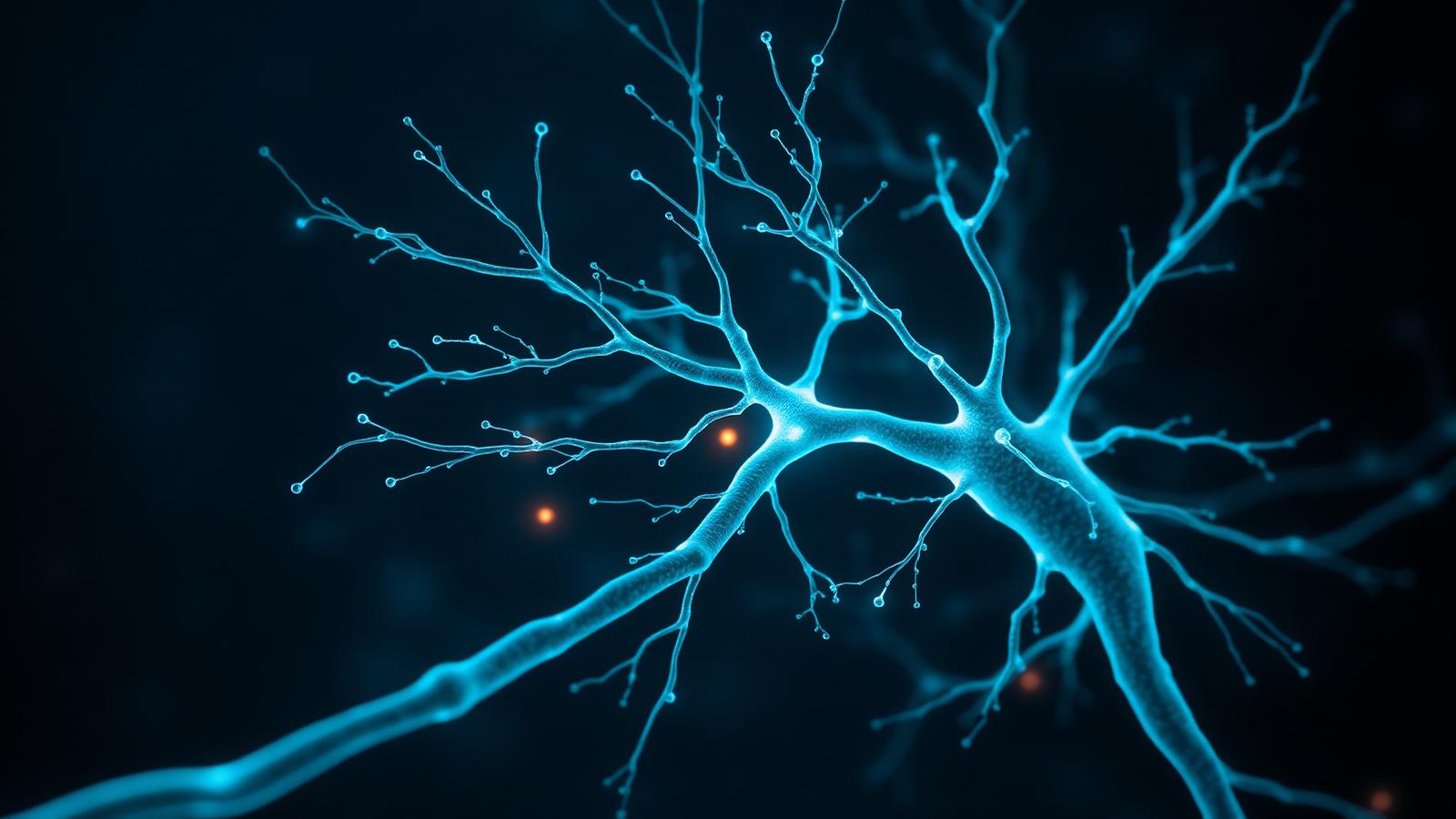
Neuroplasticity · Learning Science · 9 min
Neuroplasticity and Lifelong Learning: How the Adult Brain Keeps Rewiring Itself
Neuroplasticity is the brain's lifelong capacity to reorganize its own structure and function. Modern neuroscience has overturned the 20th-century assumption that the adult brain is essentially fixed.
Read article
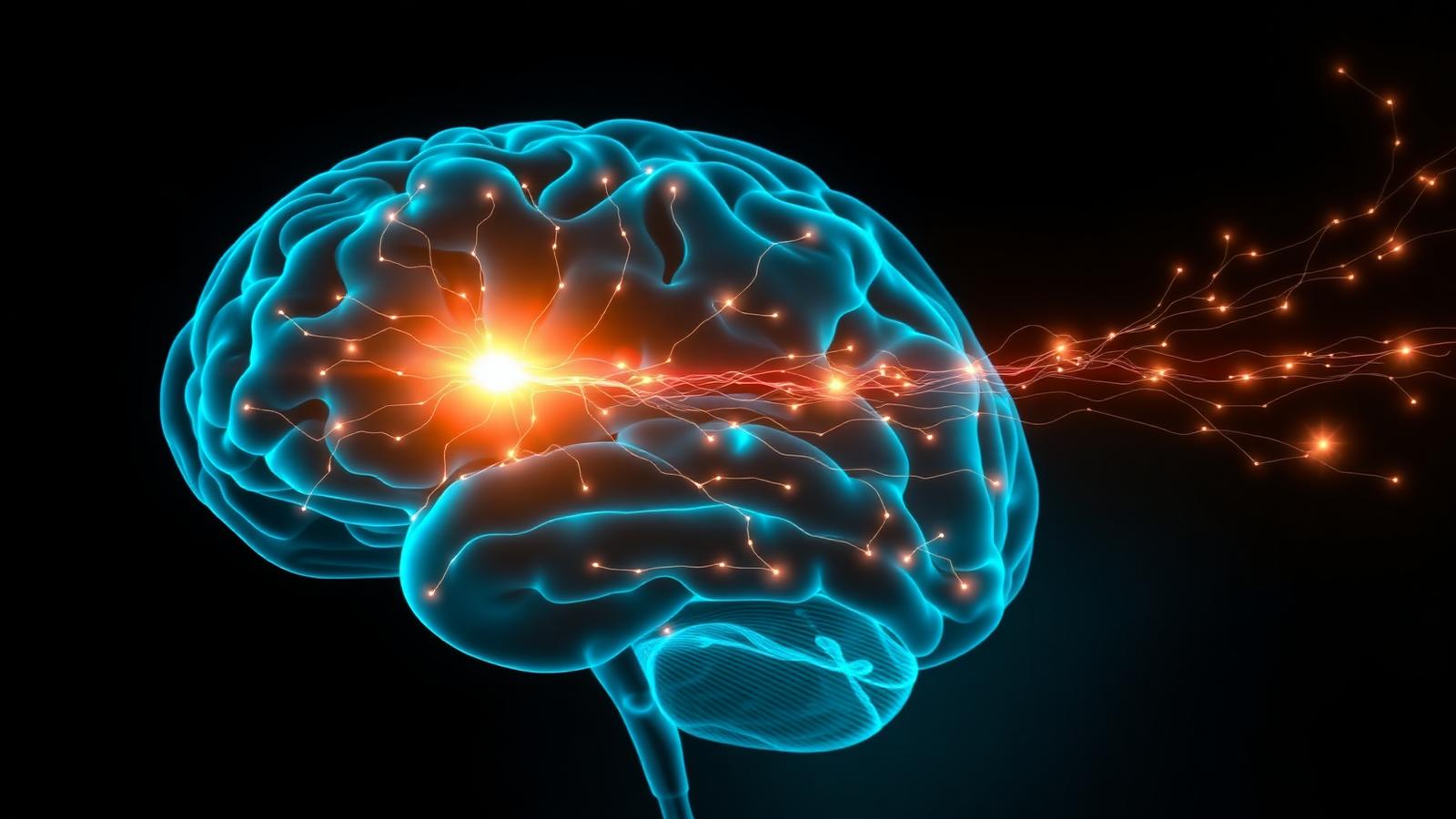
Memory · Cognitive Neuroscience · 10 min
How Human Memory Actually Works: A Field Guide to the Major Systems
Memory is not a single faculty. It is a collection of partially independent systems — working, episodic, semantic, procedural, and emotional — each with distinct circuitry, capacity, and failure modes.
Read article
Creativity · Cognitive Neuroscience · 9 min
The Neuroscience of Creativity: How New Ideas Emerge in the Brain
Creativity is not a single faculty or hemisphere. It is the coordinated interaction of large-scale brain networks that generate, evaluate, and refine novel and useful ideas.
Read article
Consciousness · Open Science · 10 min
Consciousness: What Science Actually Knows in 2026
Consciousness is the hardest open problem in modern science. Researchers have made real progress on the neural correlates of conscious experience, but the underlying explanation remains contested.
Read article
Cognitive Enhancement · Evidence Review · 9 min
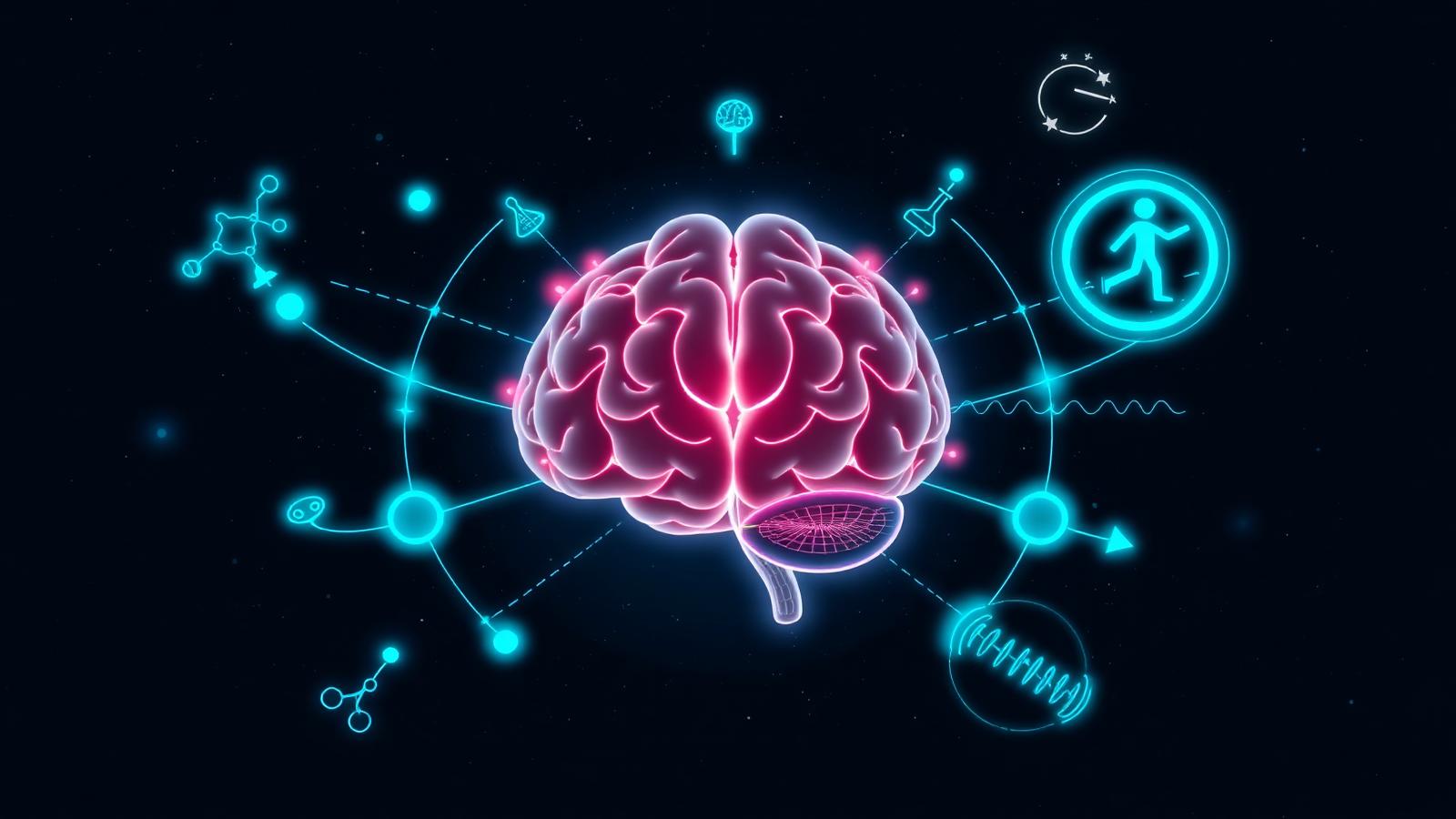
Cognitive Enhancement: What the Evidence Actually Supports
The market for cognitive enhancement is enormous and largely unregulated. Most claims are weak; a small number of interventions have genuine, reproducible support.
Read article
Healthy Aging · Cognitive Reserve · 9 min
Brain Aging and Cognitive Reserve: Staying Sharp Across the Lifespan
Healthy brain aging is not linear decline. Substantial cognitive function is preserved in most older adults, and lifestyle factors meaningfully influence trajectory.
Read article
Human + AI · Augmented Intelligence · 9 min
Human Potential in the Age of AI: From Tools to Cognitive Partners
The most consequential shift of the AI era is not automation. It is the emergence of AI systems that can serve as genuine cognitive partners — extending human reasoning, recall, and creativity rather than replacing them.
Read article
Future of Intelligence · Long View · 11 min
The Future of Human Intelligence: A 25-Year Outlook
Over the next two decades, human intelligence will be reshaped by three converging forces: artificial intelligence, neurotechnology, and a rapidly maturing understanding of the brain itself.
Read article
Frequently asked questions
What is the Human Intelligence Project?
+
A long-running editorial hub on BRAINMATTER documenting the science of human cognition — how brains learn, remember, reason, create, and how artificial intelligence is reshaping each of those capacities. All content is sourced and reviewed.
Is human intelligence a single thing?
+
No. Psychometric research identifies multiple partially independent dimensions including fluid reasoning, crystallized knowledge, working memory, processing speed, social cognition, and creative ideation. IQ captures part of this structure but not all of it.
Can adults still grow new neurons?
+
Evidence supports limited adult neurogenesis in the hippocampus and olfactory bulb. The brain's much larger capacity for change is synaptic plasticity — the ongoing rewiring of existing circuits, which persists across the lifespan.
Will AI make human intelligence obsolete?
+
Current evidence points the other way. AI systems extend human reasoning by handling information retrieval, pattern matching, and routine generation, freeing biological cognition for judgment, abstraction, and meaning-making. The likely future is augmentation, not replacement.
How does this section differ from /human-intelligence?
+
The /human-intelligence cluster covers the neuroscience and architecture of cognition. The Human Intelligence Project is the broader editorial pillar — incorporating learning, memory, creativity, consciousness, aging, and AI augmentation in one continuously updated hub.
Further reading & sources
Explore the BRAINMATTER pillars
Authoritative cornerstone hubs across human intelligence, AI, neurotechnology, and the brain economy. Each link goes to a pillar with long-form explainers, sources, and FAQs.
Human Intelligence & Cognitive Neuroscience
How the brain learns, remembers, reasons, and feels — from working memory to consciousness.
Cognitive neuroscience · Memory · Consciousness
Artificial Intelligence & NeuroAI
Foundation models, transformers, multimodal systems, and brain-inspired AI architectures.
AI · NeuroAI · Foundation models
Artificial General Intelligence (AGI)
Definitions, benchmarks, timelines, and the open scientific problems on the road to AGI.
AGI · Superintelligence · Scaling laws
Neurotechnology & Brain–Computer Interfaces
BCIs, neural implants, neuromodulation, and the engineering of human cognition.
Neurotechnology · BCI · Neural implants
Human–AI Collaboration & Cognitive Enhancement
How humans and intelligent systems augment each other's reasoning, creativity, and decision-making.
Human-AI collaboration · Cognitive enhancement
Neurodivergence & Brain Health
Autism, ADHD, dyslexia, and the neuroscience of cognitive diversity and lifelong brain health.
Neurodivergence · Brain health · Neurodiversity
AI Ethics, Safety & Alignment
Bias, privacy, misinformation, AI safety, and governance of intelligent systems.
AI ethics · Alignment · Governance
Future of Humanity & the Brain Economy
Long-horizon scenarios for the brain economy, post-AGI society, and civilizational risk.
Brain economy · Post-AGI · Long-termism
Intelligence Index — Human vs Machine
The definitive comparison of biological and artificial cognition across substrate, scale, and reasoning.
Intelligence index · Benchmarks · Comparative cognition
Frontier AI & Neuroscience Labs
Deep profiles of the research organizations defining the next era of intelligence.
OpenAI · Anthropic · DeepMind · Neuralink
Continue exploring
Human Intelligence
The biology, psychology, and architecture of human cognition - from neurons to consciousness.
Artificial Intelligence
How modern AI systems learn, reason, and generate - from neural networks to large language models.
Human + AI Collaboration
How AI is amplifying medicine, science, education, creativity, and human potential.
Neurotechnology
Brain-computer interfaces, neural implants, and the convergence of biology and silicon.
Neurodivergence & Augmented Intelligence
Cognitive variation as intelligence diversity - and how AI is becoming a scaffold for neurodivergent minds.
Future of Humanity
Long-term scenarios for civilization, cognition, and what it means to be human in an AI era.