
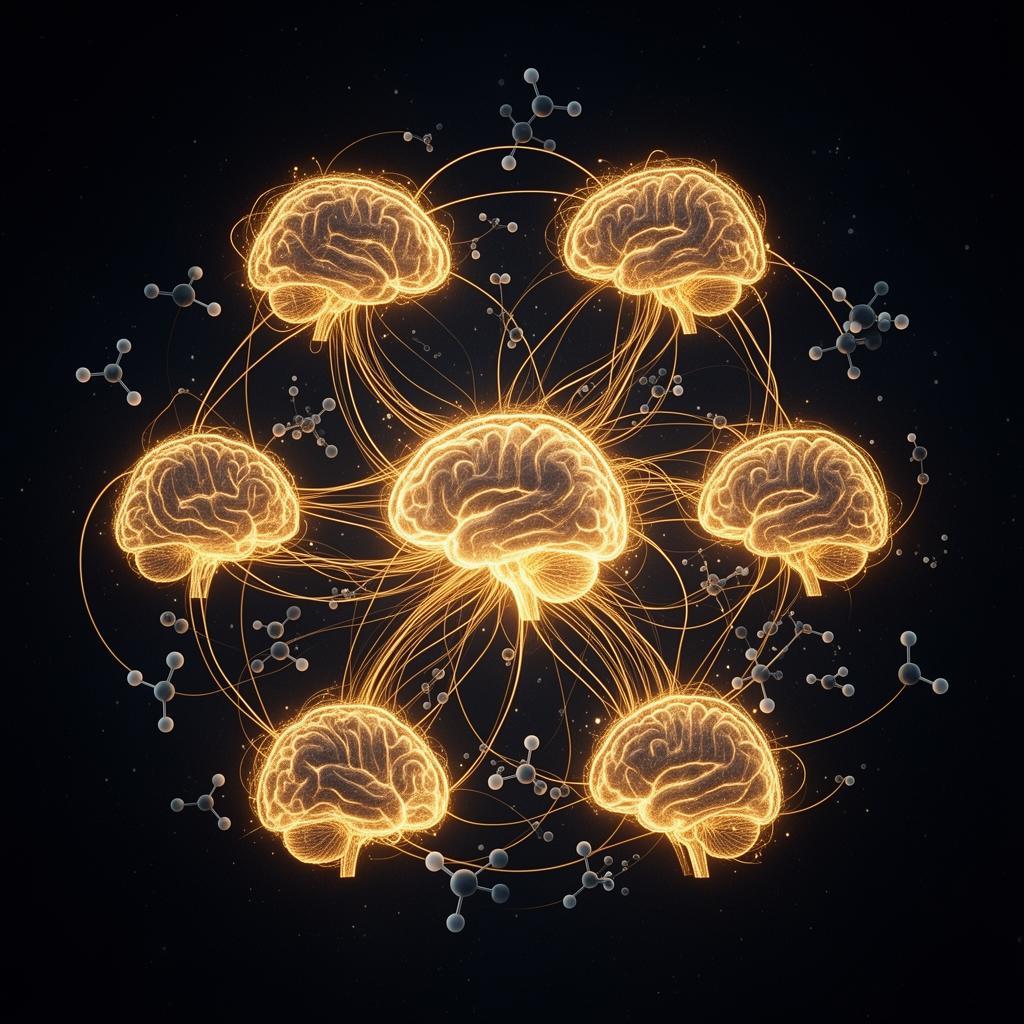
Human Connection & the Social Brain
Humans are the most social species on Earth. Our brains are built for connection — and suffer profoundly without it.
Key takeaways
- The human brain dedicates enormous resources to social processing — far more than any other primate.
- Attachment bonds in infancy shape the developing brain and create templates for later relationships.
- Loneliness is not just sad; it is a biological stress state that increases inflammation and disease risk.
- Social rejection activates the same neural circuits as physical pain.
- Empathy is powerful but can be depleted — compassion fatigue is a real neurological phenomenon.
What this hub covers
From the first attachment bond to lifelong social networks, the human brain is fundamentally shaped by relationships. This pillar explores the neuroscience of attachment, loneliness, social touch, belonging, oxytocin, empathy, social rejection, and collective intelligence — revealing why connection is not a luxury but a biological necessity.
Long-form articles
Sourced, evidence-based explainers. New entries added regularly.
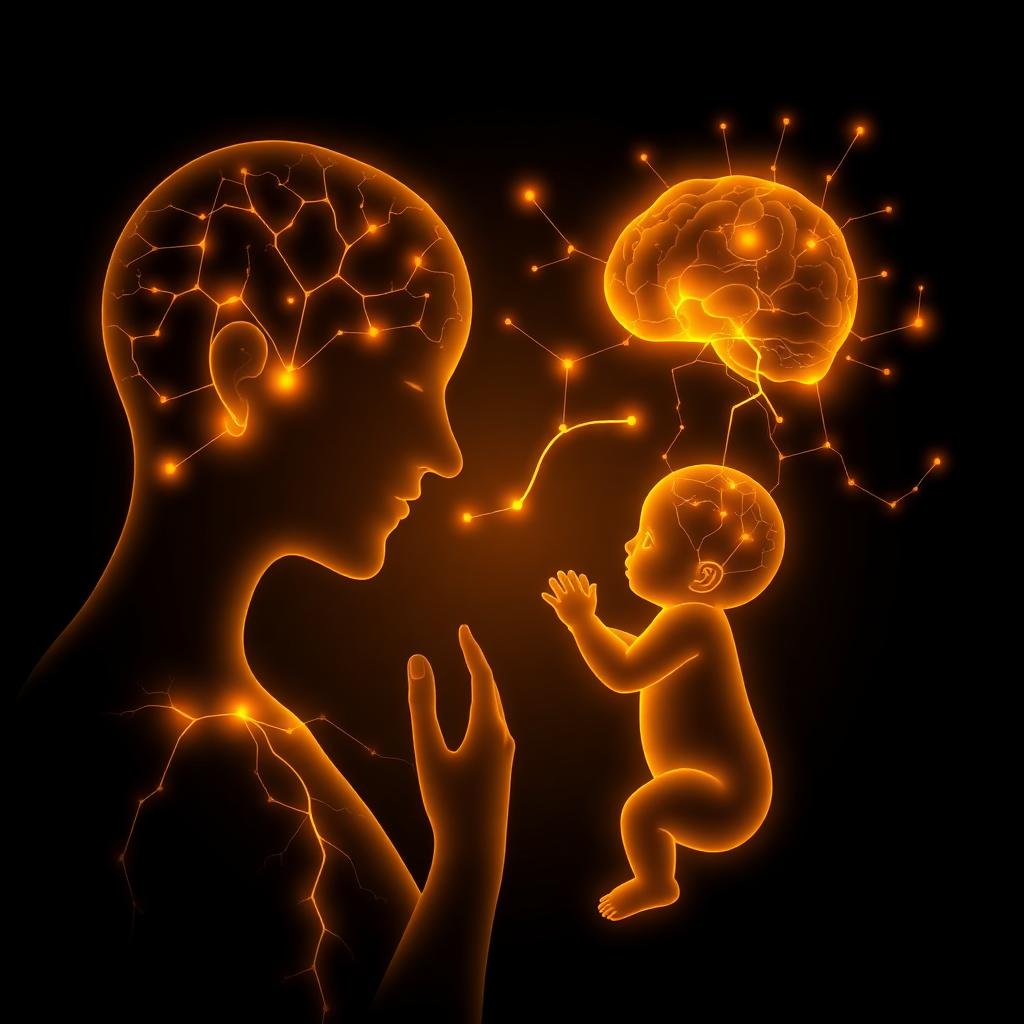
Attachment · Development · Bonding · 9 min
Attachment and the Brain: How Early Bonds Shape the Mind
The first relationship is not just emotionally important. It literally builds the brain.
Read article
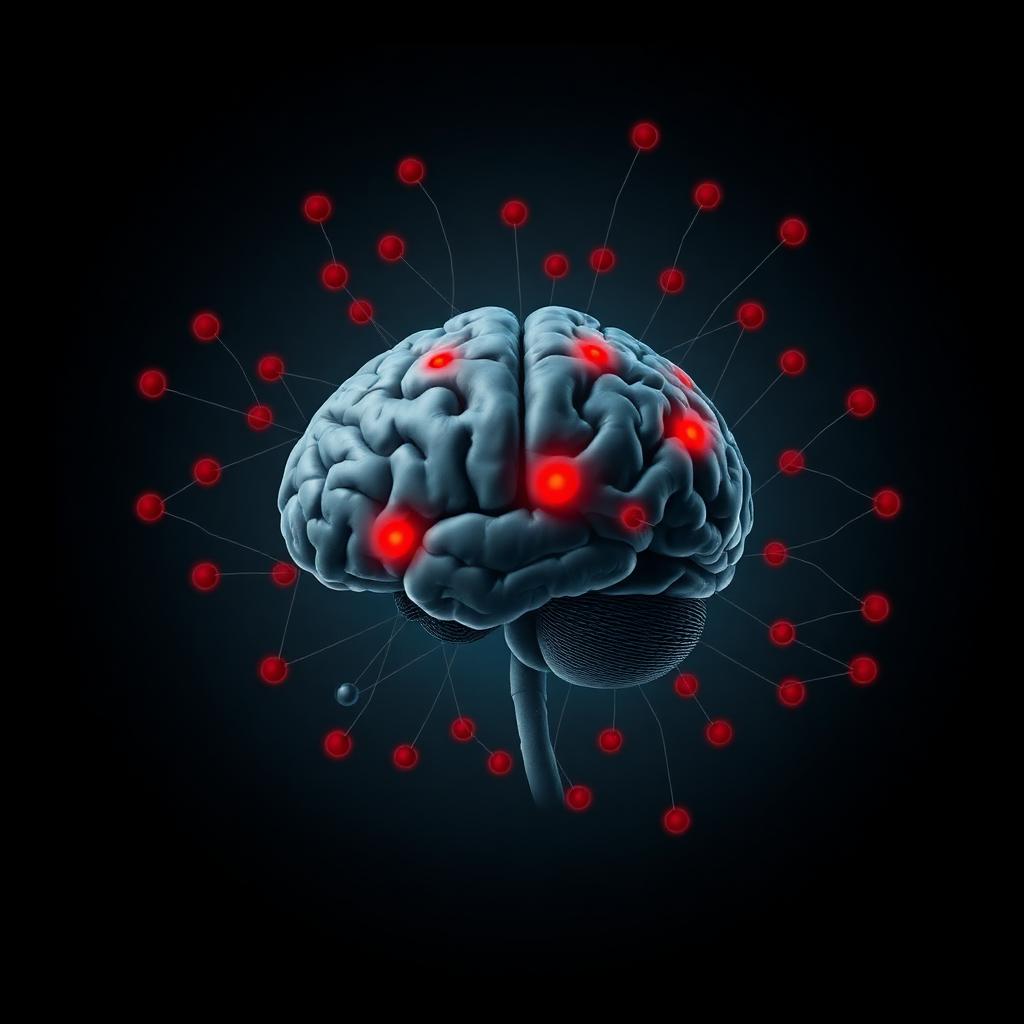
Loneliness · Isolation · Health · 8 min
Loneliness and Health: The Biology of Isolation
Loneliness is not just an emotional state. It is a biological stressor with profound consequences for the brain and body.
Read article
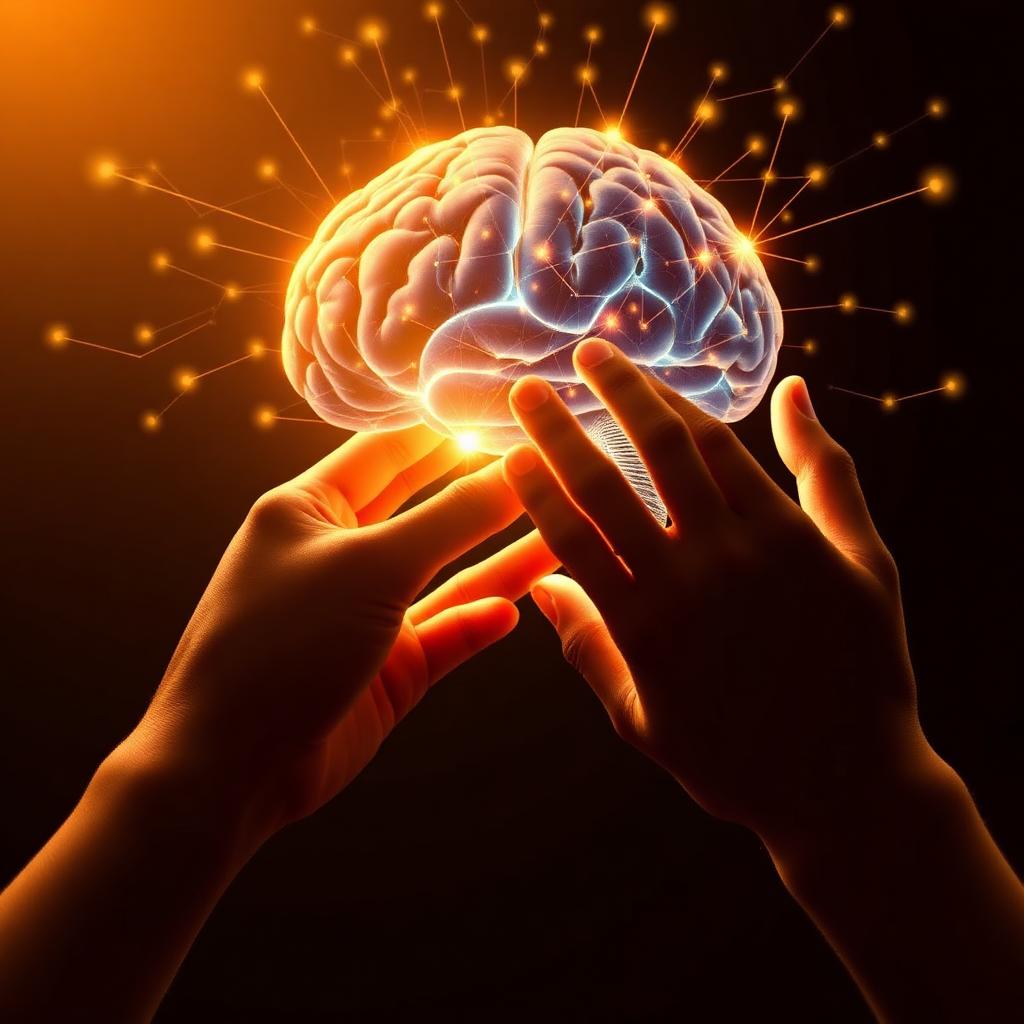
Touch · C-Tactile · Affection · 7 min
Social Touch and the Brain: Why Contact Matters
Touch is our first sense to develop and remains fundamental to social bonding, emotion regulation, and well-being.
Read article
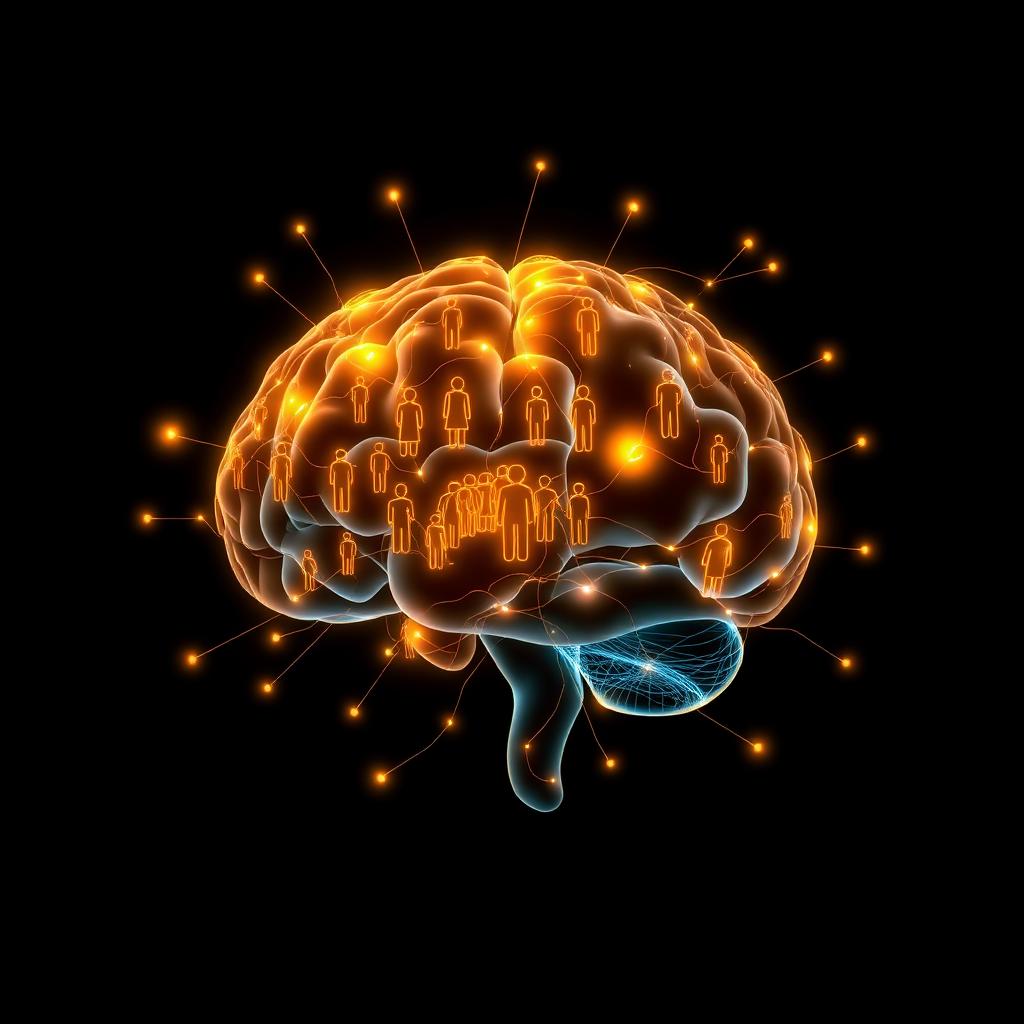
Belonging · Identity · Social Brain · 8 min
Belonging, Identity, and the Brain
Humans need to belong. The brain treats social exclusion as a threat and social inclusion as a reward.
Read article
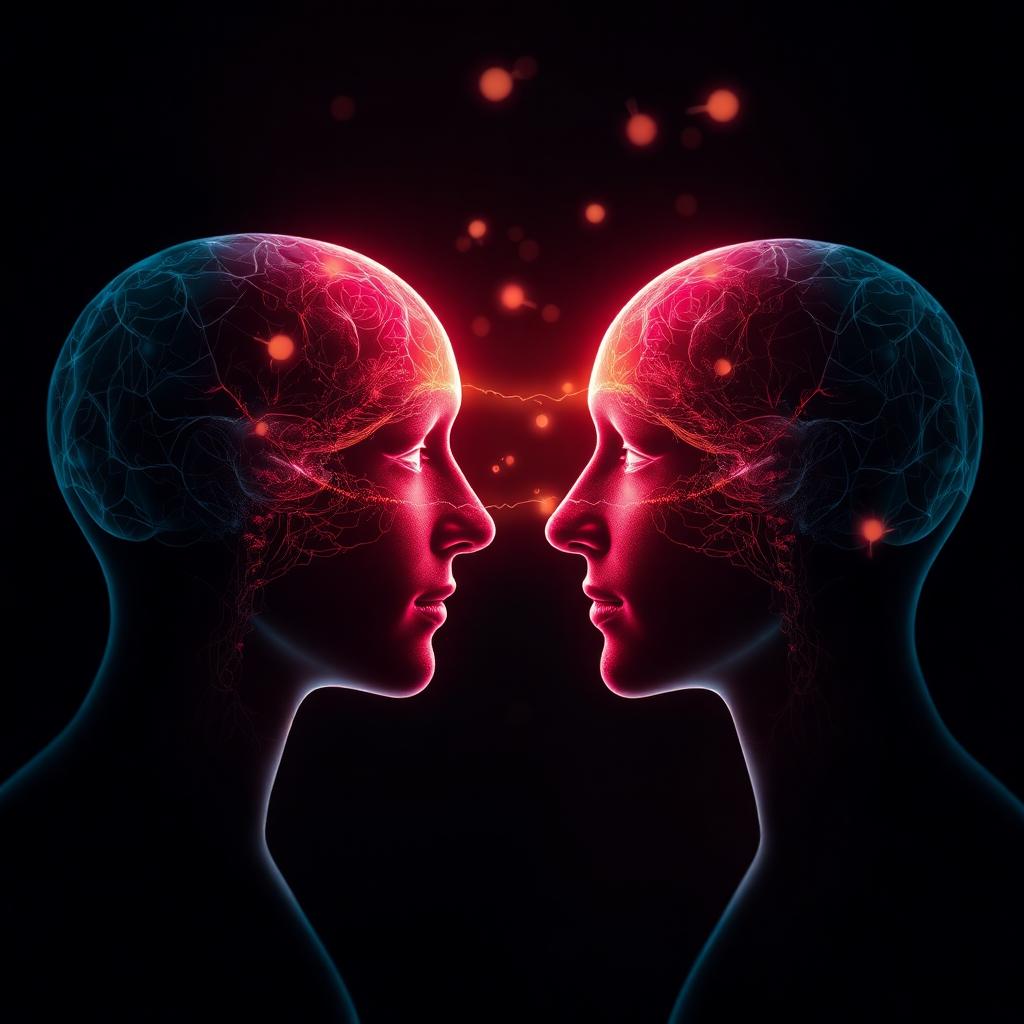
Oxytocin · Trust · Bonding · 8 min
Oxytocin and Trust: The Chemistry of Connection
Oxytocin is not just a 'love hormone.' It is a complex neuromodulator that shapes bonding, trust, and social perception.
Read article
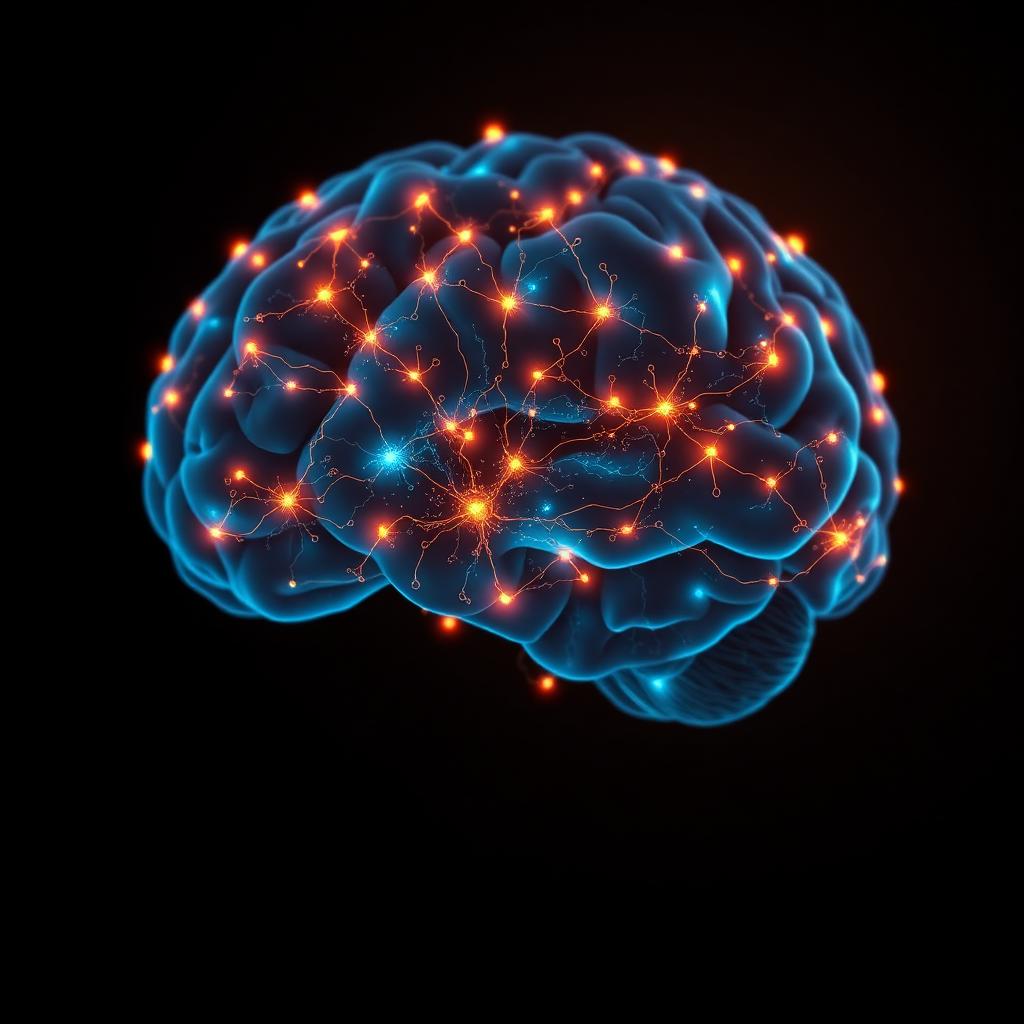
Empathy · Compassion · Burnout · 8 min
Empathy and Compassion Fatigue: When Caring Costs Too Much
Empathy is a finite resource. Sustained emotional resonance without boundaries depletes the brain and leads to burnout.
Read article
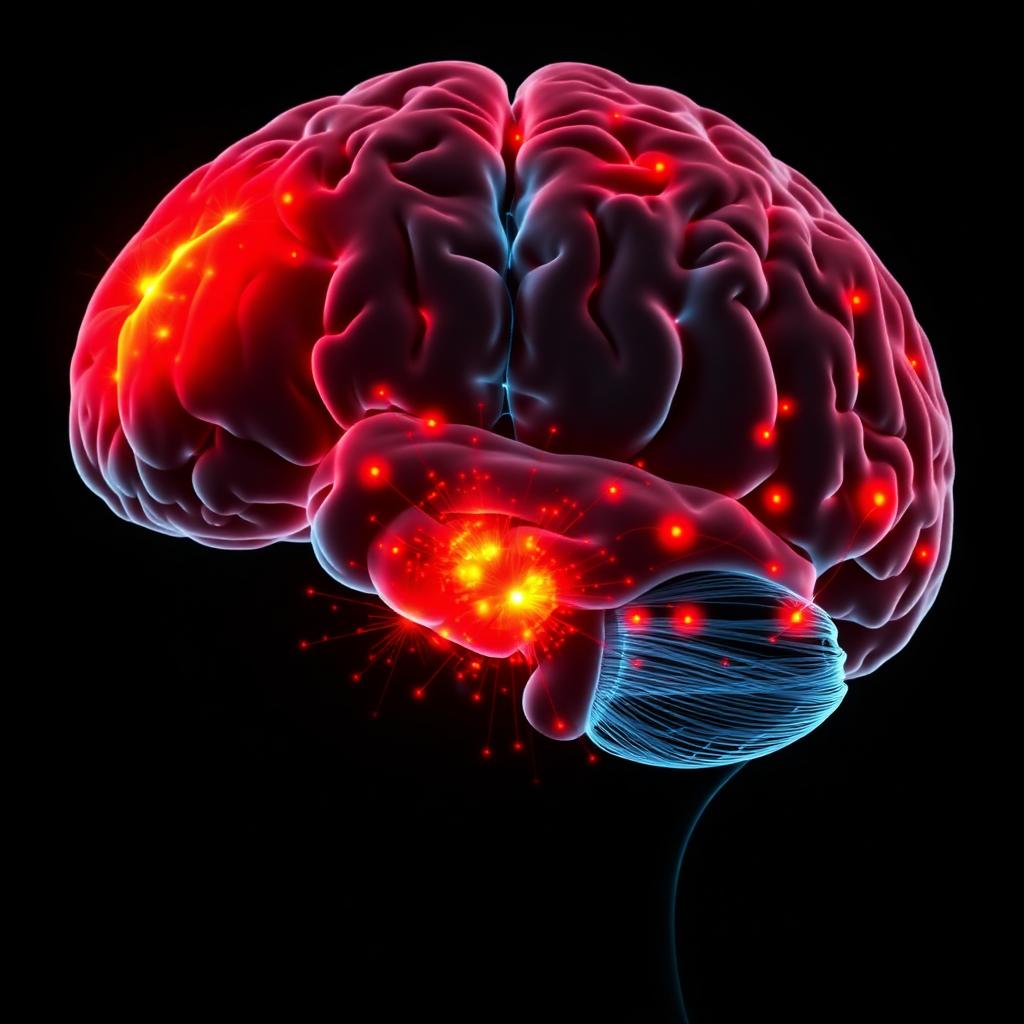
Rejection · Pain · Social Brain · 7 min
Social Rejection and the Brain: When the Heart Breaks Neural Circuits
Social rejection is not just disappointing. It is neurologically painful — and the brain remembers it.
Read article
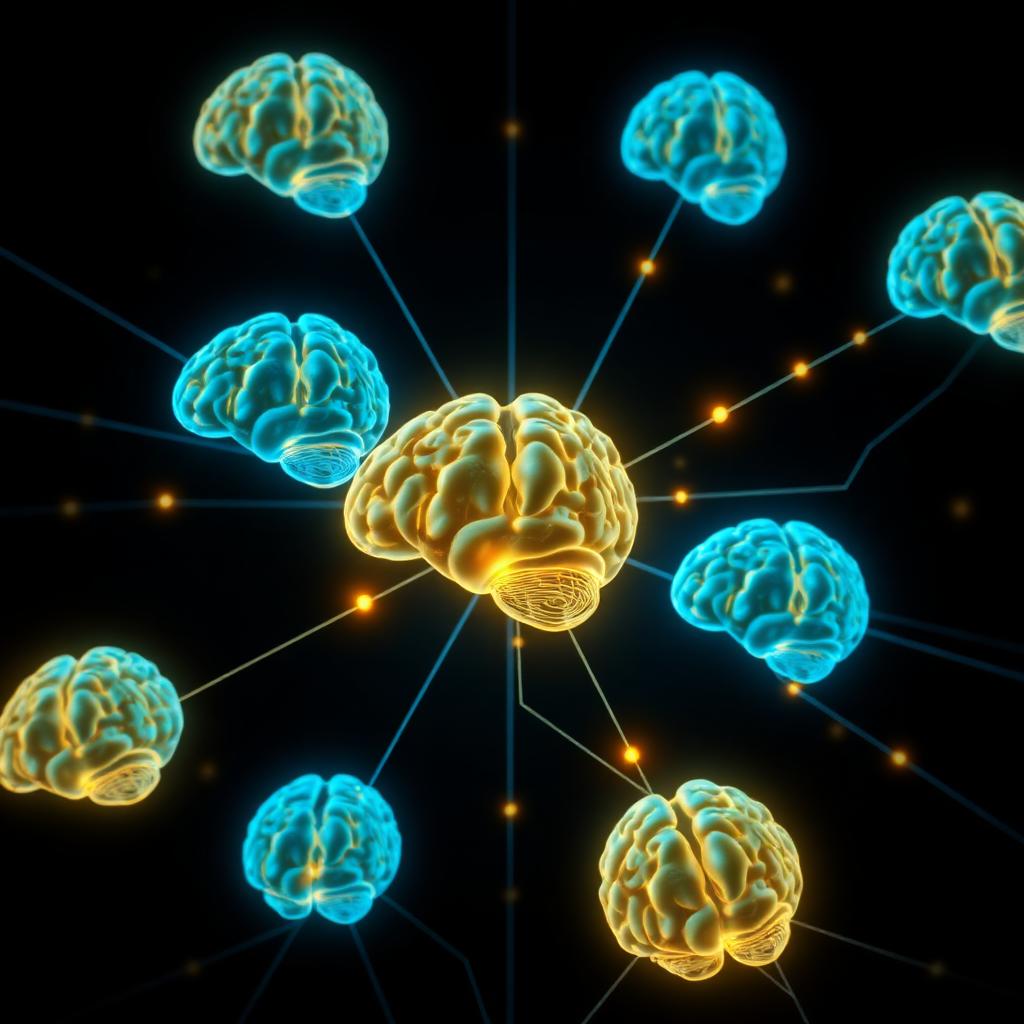
Collective · Intelligence · Groups · 8 min
Collective Intelligence: When Groups Think Better Than Individuals
The wisdom of crowds is not just a metaphor. Groups can solve problems no individual can — when the right conditions are met.
Read article
Frequently asked questions
Why are humans so social?
+
Evolutionary pressures favored group living for protection, resource sharing, and collective problem-solving. The human brain enlarged partly to manage increasingly complex social relationships — a theory called the social brain hypothesis.
Is loneliness really unhealthy?
+
Yes. Chronic loneliness is associated with increased inflammation, elevated cortisol, disrupted sleep, impaired immune function, and higher risk of cardiovascular disease, depression, and dementia — comparable to smoking 15 cigarettes a day in some analyses.
Can you die of a broken heart?
+
Indirectly. Social loss and bereavement increase cardiovascular events through stress-mediated mechanisms. Takotsubo cardiomyopathy ('broken heart syndrome') is a documented, though usually reversible, condition.
Is empathy infinite?
+
No. Sustained empathy without boundaries leads to compassion fatigue and burnout. The brain's emotional resources are renewable but not unlimited. Effective helping requires both empathy and emotional regulation.
Further reading & sources
Explore the BRAINMATTER pillars
Authoritative cornerstone hubs across human intelligence, AI, neurotechnology, and the brain economy. Each link goes to a pillar with long-form explainers, sources, and FAQs.
The Future of Human Intelligence
Flagship pillar on cognitive neuroscience, neuroplasticity, and the next 25 years of the human mind.
Human intelligence · Neuroplasticity · Brain capital
Human Intelligence & Cognitive Neuroscience
How the brain learns, remembers, reasons, and feels — from working memory to consciousness.
Cognitive neuroscience · Memory · Consciousness
Artificial Intelligence & NeuroAI
Foundation models, transformers, multimodal systems, and brain-inspired AI architectures.
AI · NeuroAI · Foundation models
Artificial General Intelligence (AGI)
Definitions, benchmarks, timelines, and the open scientific problems on the road to AGI.
AGI · Superintelligence · Scaling laws
Neurotechnology & Brain–Computer Interfaces
BCIs, neural implants, neuromodulation, and the engineering of human cognition.
Neurotechnology · BCI · Neural implants
Human–AI Collaboration & Cognitive Enhancement
How humans and intelligent systems augment each other's reasoning, creativity, and decision-making.
Human-AI collaboration · Cognitive enhancement
Neurodivergence & Brain Health
Autism, ADHD, dyslexia, and the neuroscience of cognitive diversity and lifelong brain health.
Neurodivergence · Brain health · Neurodiversity
AI Ethics, Safety & Alignment
Bias, privacy, misinformation, AI safety, and governance of intelligent systems.
AI ethics · Alignment · Governance
Future of Humanity & the Brain Economy
Long-horizon scenarios for the brain economy, post-AGI society, and civilizational risk.
Brain economy · Post-AGI · Long-termism
Intelligence Index — Human vs Machine
The definitive comparison of biological and artificial cognition across substrate, scale, and reasoning.
Intelligence index · Benchmarks · Comparative cognition
Frontier AI & Neuroscience Labs
Deep profiles of the research organizations defining the next era of intelligence.
OpenAI · Anthropic · DeepMind · Neuralink