
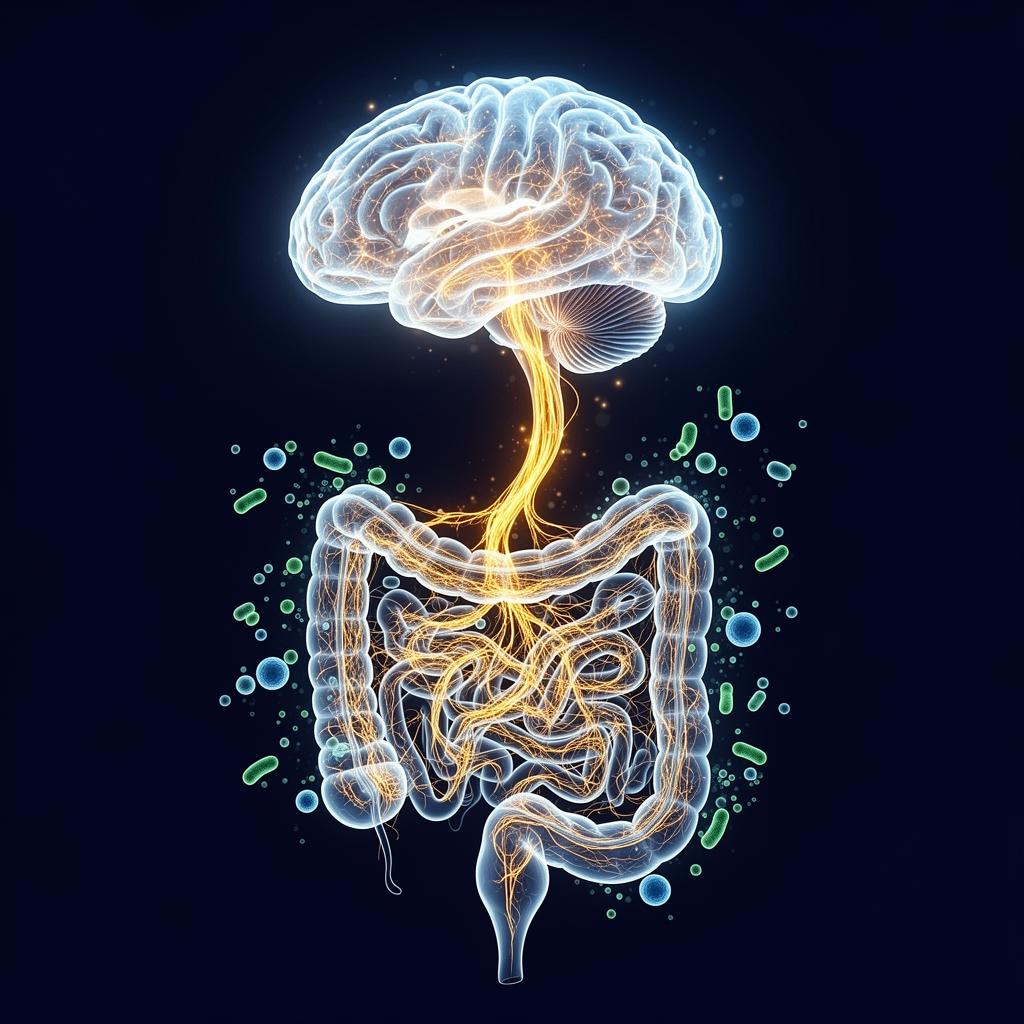
The Gut-Brain Connection
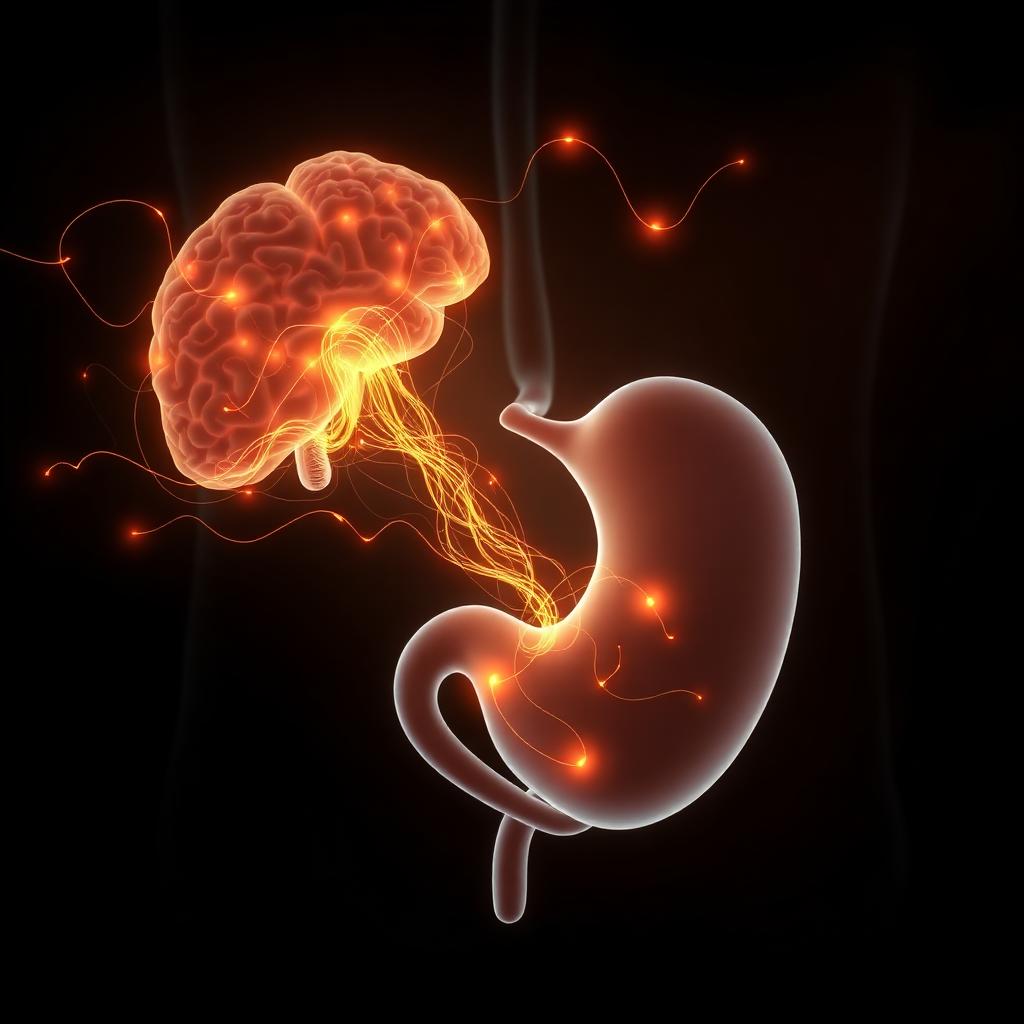
The gut and brain are in constant conversation. This pillar explores the neuroscience of the gut-brain axis, the microbiome's influence on mood and cognition, and how diet shapes mental health.
Key takeaways
- The gut contains the enteric nervous system — sometimes called the 'second brain' — with over 100 million neurons.
- Gut microbes produce neurotransmitters and metabolites that influence brain function and behavior.
- The vagus nerve is the primary bidirectional communication highway between gut and brain.
- Diet quality is consistently associated with mental health outcomes in observational and interventional studies.
- Probiotics and prebiotics show modest but promising effects on mood and cognition in clinical trials.
What this hub covers
Emerging research reveals that the gut microbiome, the enteric nervous system, and bidirectional vagus nerve communication profoundly influence brain function, mood, and behavior. This pillar covers the gut-brain axis, microbiome-mental health links, neuroinflammation, dietary effects on cognition, and the emerging science of psychobiotics. All content is grounded in peer-reviewed research.
Long-form articles
Sourced, evidence-based explainers. New entries added regularly.
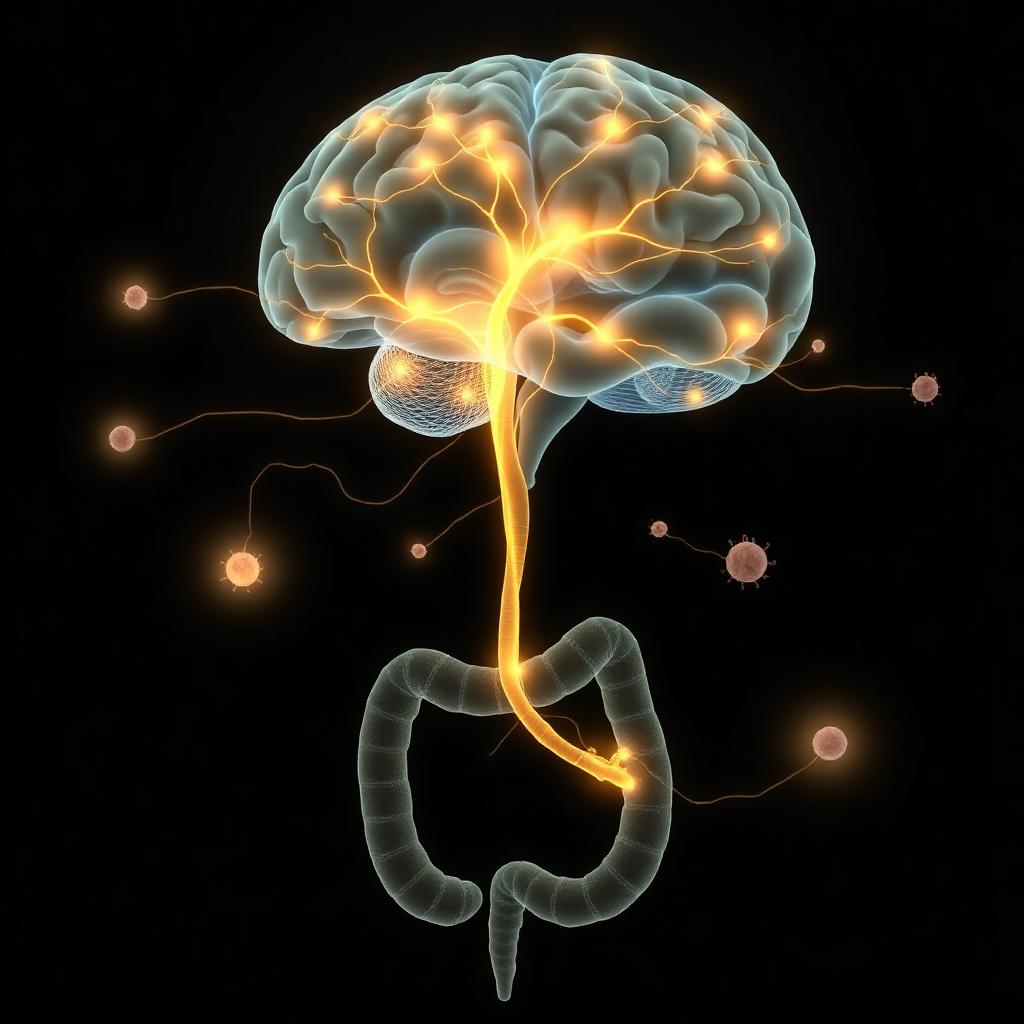
Gut-Brain · Axis · Communication · 8 min
The Gut-Brain Axis: How the Gut Talks to the Brain
Your gut and brain are in constant, intimate communication through multiple channels — neural, hormonal, immune, and microbial.
Read article
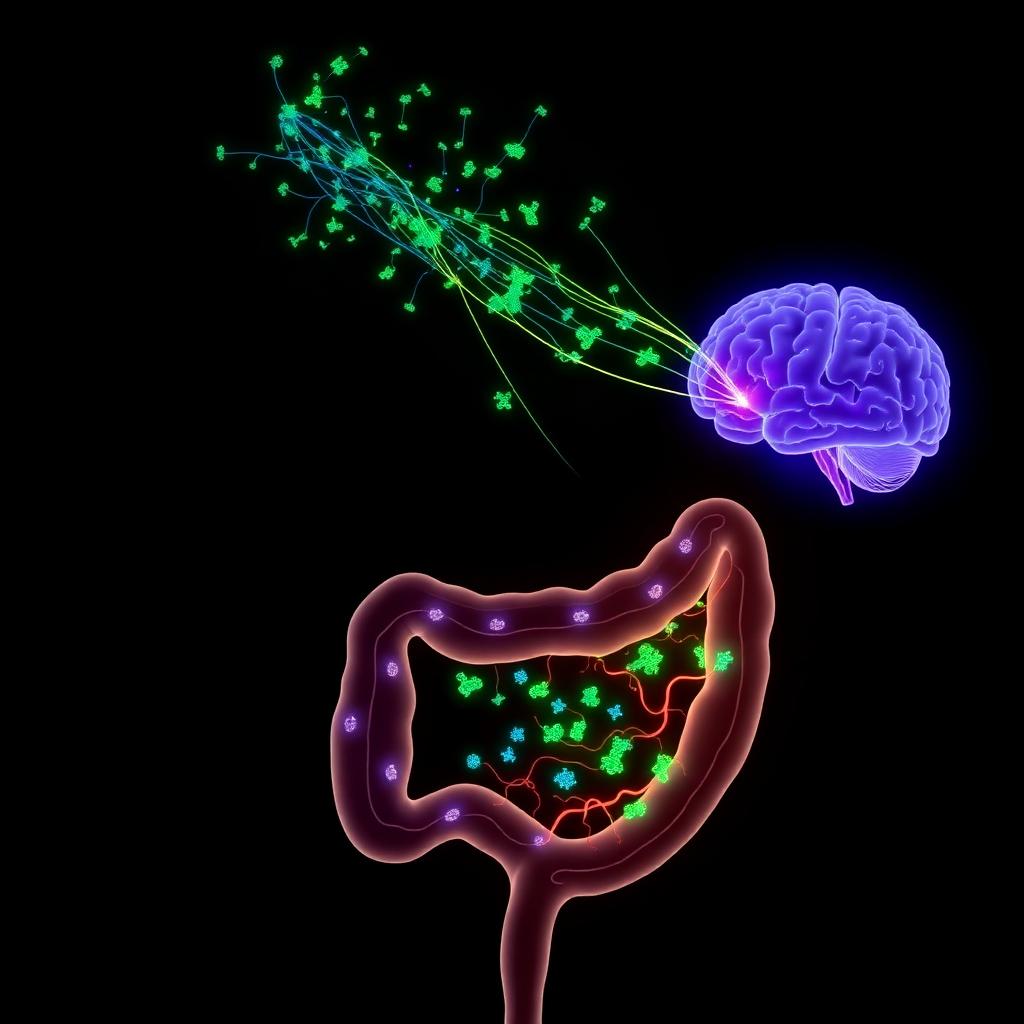
Microbiome · Mental Health · Depression · 9 min
The Microbiome and Mental Health: Beyond Correlation
Gut microbes are not passive passengers. They actively shape mood, anxiety, and cognitive function through multiple biological pathways.
Read article
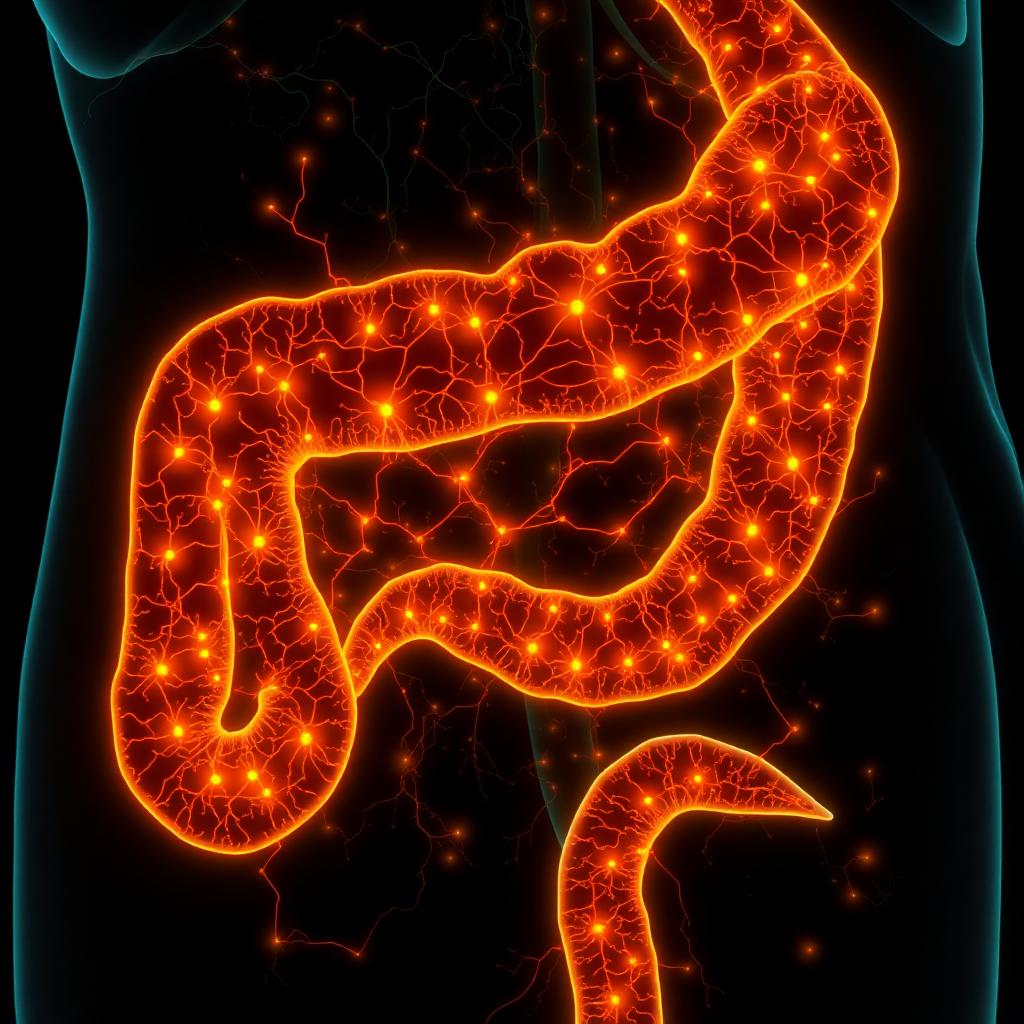
Enteric · Second Brain · Autonomy · 8 min
The Enteric Nervous System: The Brain in Your Gut
With over 100 million neurons, the enteric nervous system can operate independently — yet it is also exquisitely sensitive to the central brain.
Read article
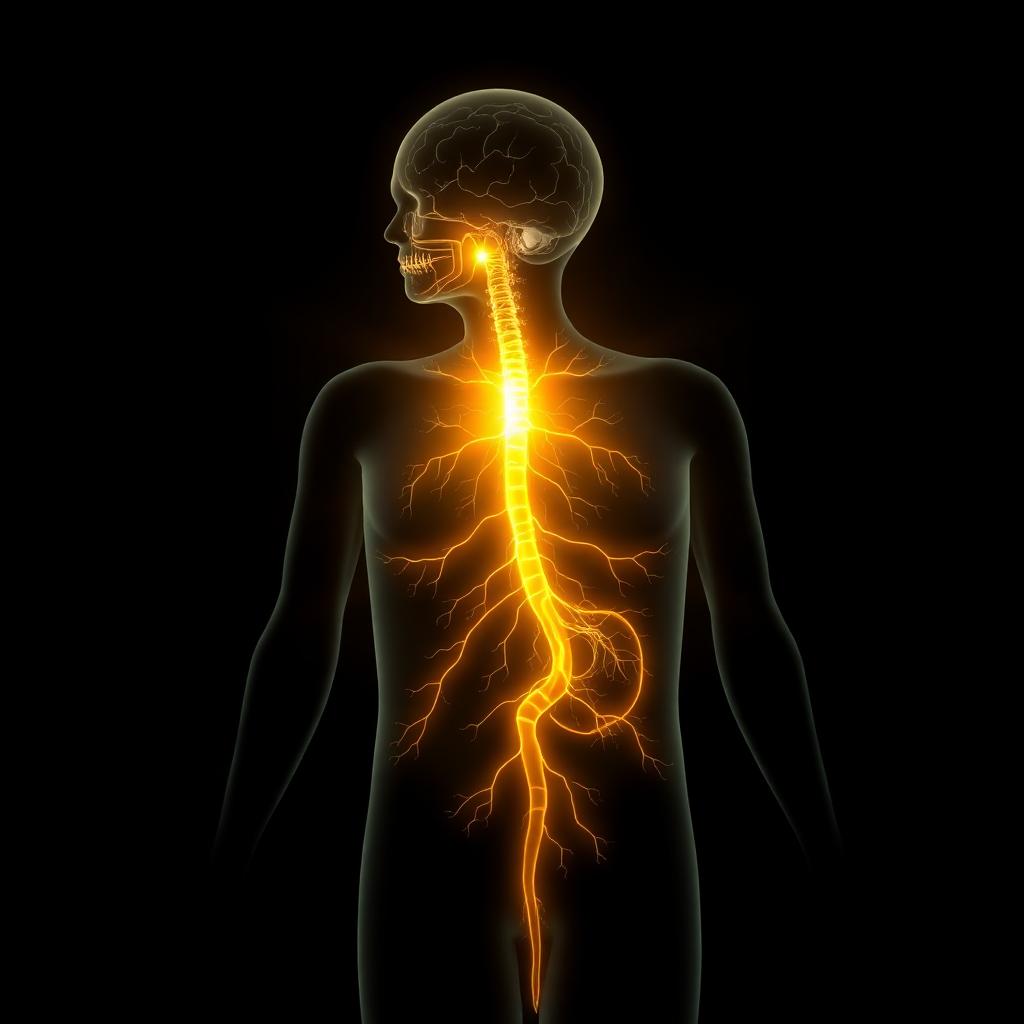
Vagus · Gut-Brain · Communication · 7 min
The Vagus Nerve: The Gut-Brain Superhighway
The vagus nerve is the primary channel by which the gut and brain communicate — carrying critical information in both directions.
Read article
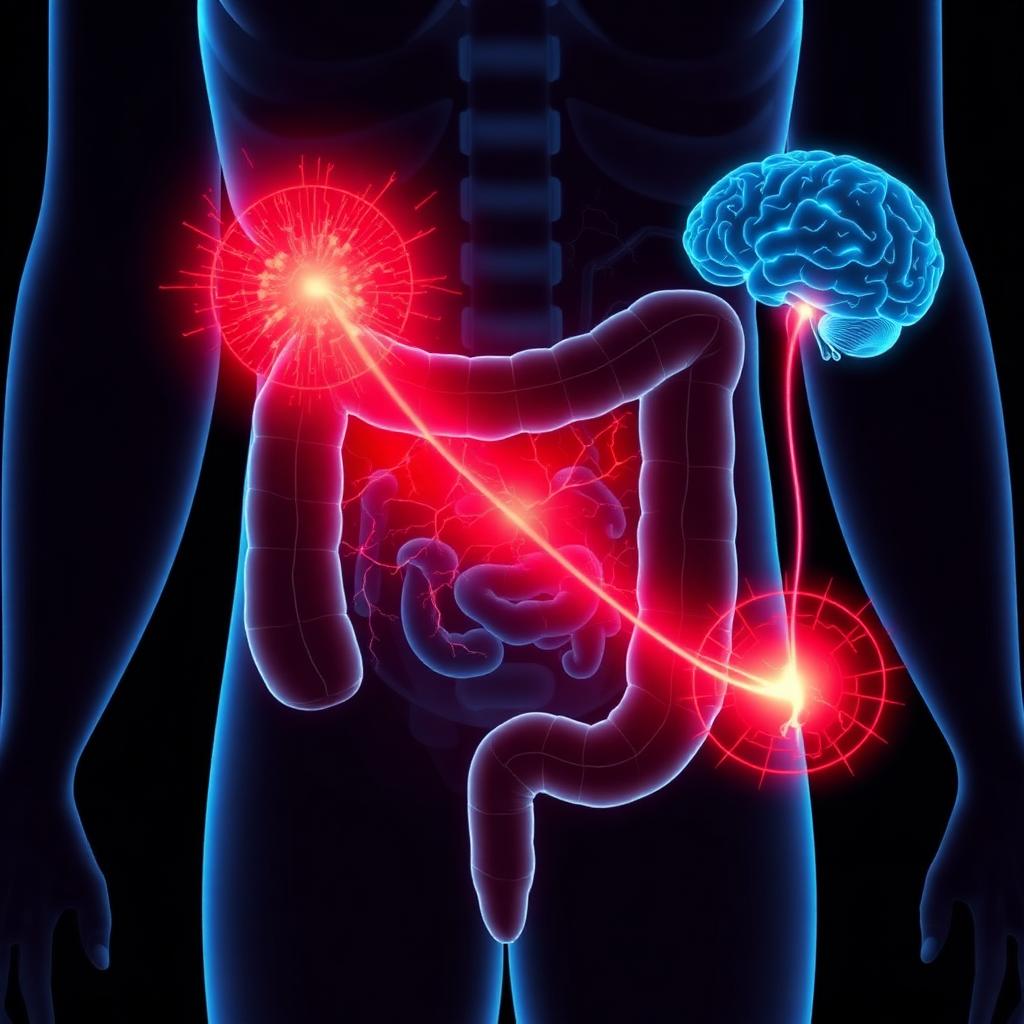
Permeability · Inflammation · Neuroimmune · 8 min
Gut Permeability, Inflammation, and the Brain
When the intestinal barrier becomes leaky, immune signals and bacterial products can reach the brain — with consequences for mood, cognition, and neurodegeneration.
Read article
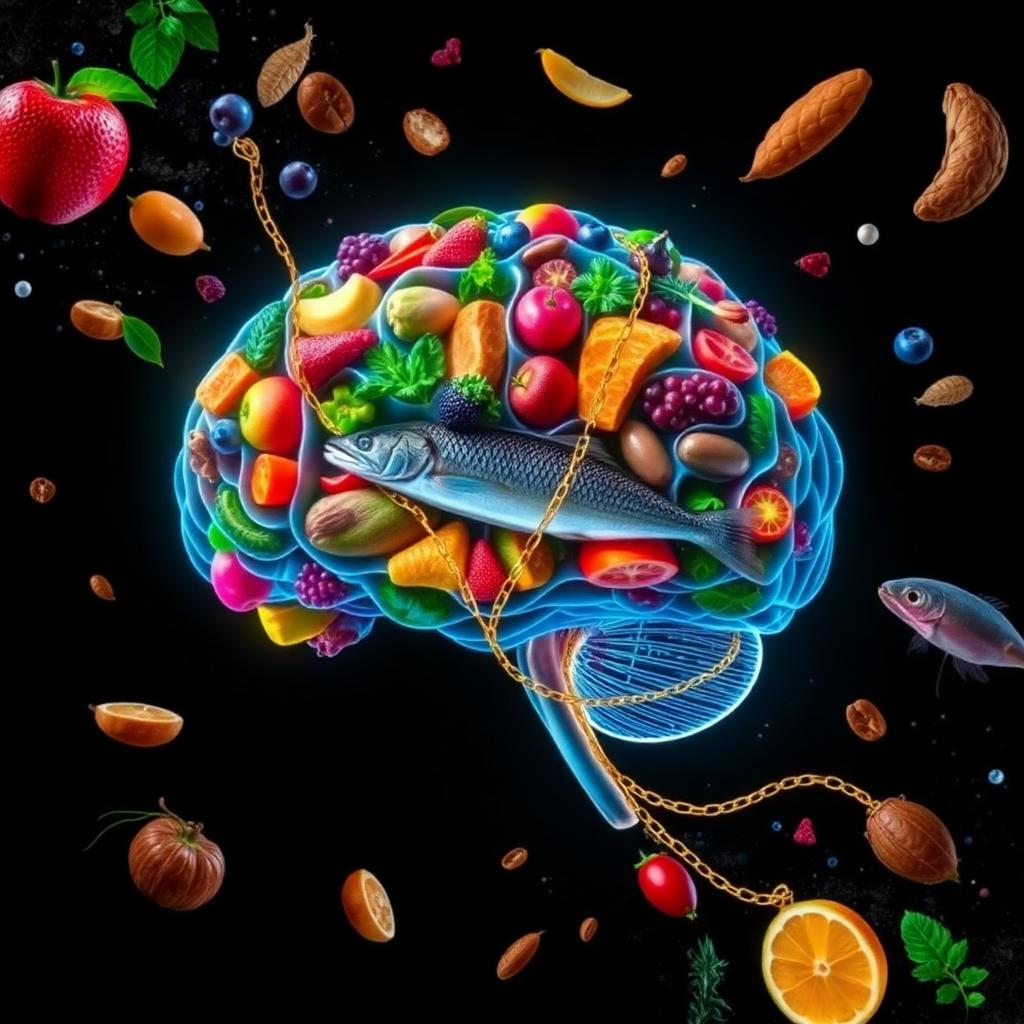
Diet · Nutrition · Cognition · 9 min
Diet and Brain Health: What the Evidence Supports
Food is not just fuel. It is information that shapes inflammation, neuroplasticity, and long-term cognitive health.
Read article
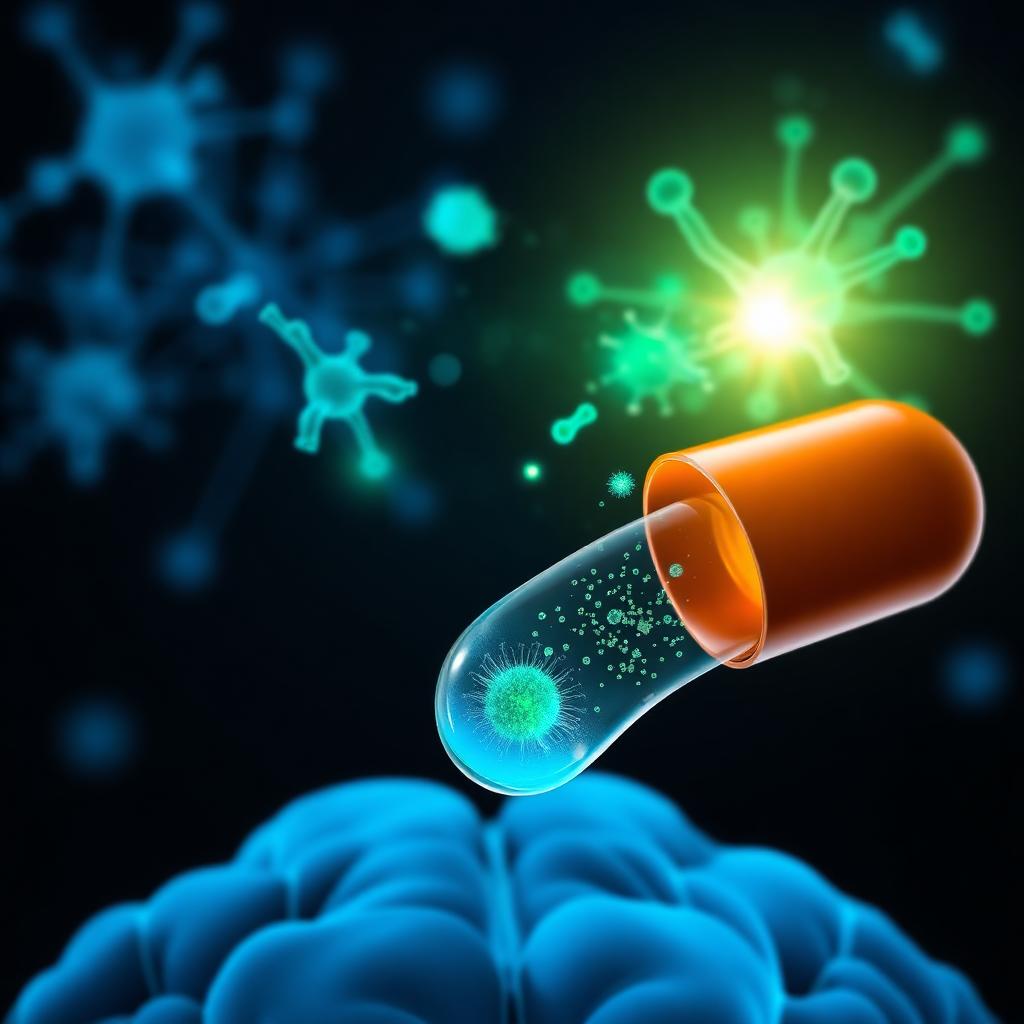
Probiotics · Prebiotics · Cognition · 8 min
Probiotics, Prebiotics, and Cognition: The Emerging Science
Can modifying the gut microbiome improve how we think and feel? The evidence is growing — and nuanced.
Read article
Interoception · Intuition · Decision-Making · 7 min
Gut Feelings: Interoception, Intuition, and Decision-Making
That feeling in your gut is not just a metaphor. The brain uses signals from the body — including the gut — to guide decisions.
Read article
Frequently asked questions
What is the gut-brain axis?
+
The gut-brain axis refers to the bidirectional communication network linking the gastrointestinal tract and the central nervous system, involving neural, hormonal, immune, and microbial pathways.
Can gut bacteria affect my mood?
+
Yes. Gut microbes produce neuroactive compounds, modulate inflammation, and influence the vagus nerve. Clinical trials show that modifying the microbiome can affect anxiety and depression symptoms.
Is the enteric nervous system a real brain?
+
Not exactly. The enteric nervous system can operate autonomously but is also heavily influenced by the central nervous system. It contains more neurons than the spinal cord and controls digestion independently.
What diet is best for brain health?
+
The Mediterranean diet has the strongest evidence for supporting cognitive function and reducing dementia risk. It emphasizes vegetables, fruits, whole grains, fish, olive oil, and limited processed foods.
Further reading & sources
Explore the BRAINMATTER pillars
Authoritative cornerstone hubs across human intelligence, AI, neurotechnology, and the brain economy. Each link goes to a pillar with long-form explainers, sources, and FAQs.
The Future of Human Intelligence
Flagship pillar on cognitive neuroscience, neuroplasticity, and the next 25 years of the human mind.
Human intelligence · Neuroplasticity · Brain capital
Human Intelligence & Cognitive Neuroscience
How the brain learns, remembers, reasons, and feels — from working memory to consciousness.
Cognitive neuroscience · Memory · Consciousness
Artificial Intelligence & NeuroAI
Foundation models, transformers, multimodal systems, and brain-inspired AI architectures.
AI · NeuroAI · Foundation models
Artificial General Intelligence (AGI)
Definitions, benchmarks, timelines, and the open scientific problems on the road to AGI.
AGI · Superintelligence · Scaling laws
Neurotechnology & Brain–Computer Interfaces
BCIs, neural implants, neuromodulation, and the engineering of human cognition.
Neurotechnology · BCI · Neural implants
Human–AI Collaboration & Cognitive Enhancement
How humans and intelligent systems augment each other's reasoning, creativity, and decision-making.
Human-AI collaboration · Cognitive enhancement
Neurodivergence & Brain Health
Autism, ADHD, dyslexia, and the neuroscience of cognitive diversity and lifelong brain health.
Neurodivergence · Brain health · Neurodiversity
AI Ethics, Safety & Alignment
Bias, privacy, misinformation, AI safety, and governance of intelligent systems.
AI ethics · Alignment · Governance
Future of Humanity & the Brain Economy
Long-horizon scenarios for the brain economy, post-AGI society, and civilizational risk.
Brain economy · Post-AGI · Long-termism
Intelligence Index — Human vs Machine
The definitive comparison of biological and artificial cognition across substrate, scale, and reasoning.
Intelligence index · Benchmarks · Comparative cognition
Frontier AI & Neuroscience Labs
Deep profiles of the research organizations defining the next era of intelligence.
OpenAI · Anthropic · DeepMind · Neuralink