
Dreams and the Unconscious Brain
The neuroscience of REM sleep, dreaming, nightmares, and the cognitive unconscious — the vast machinery of mental processing that runs below conscious awareness.
Key takeaways
- Dreams arise from coordinated activity in limbic, visual, and association cortex during REM sleep.
- Dreaming likely supports memory consolidation, emotional processing, and simulation of waking concerns.
- Lucid dreaming is a verified phenomenon involving prefrontal re-engagement during REM.
- The cognitive unconscious is empirically demonstrated through priming, implicit learning, and dual-process research — but its powers are often overstated in popular accounts.
- Sleep disorders, nightmares, and sleep paralysis are treatable conditions with specific evidence-based interventions.
What this hub covers
We spend roughly six years of our lives dreaming, and far more of our cognition runs unconsciously than consciously. This hub examines what dreams are, why we have them, what they reveal about memory and emotion, and how the cognitive unconscious shapes everyday perception, decision, and behavior.
Long-form articles
Sourced, evidence-based explainers. New entries added regularly.
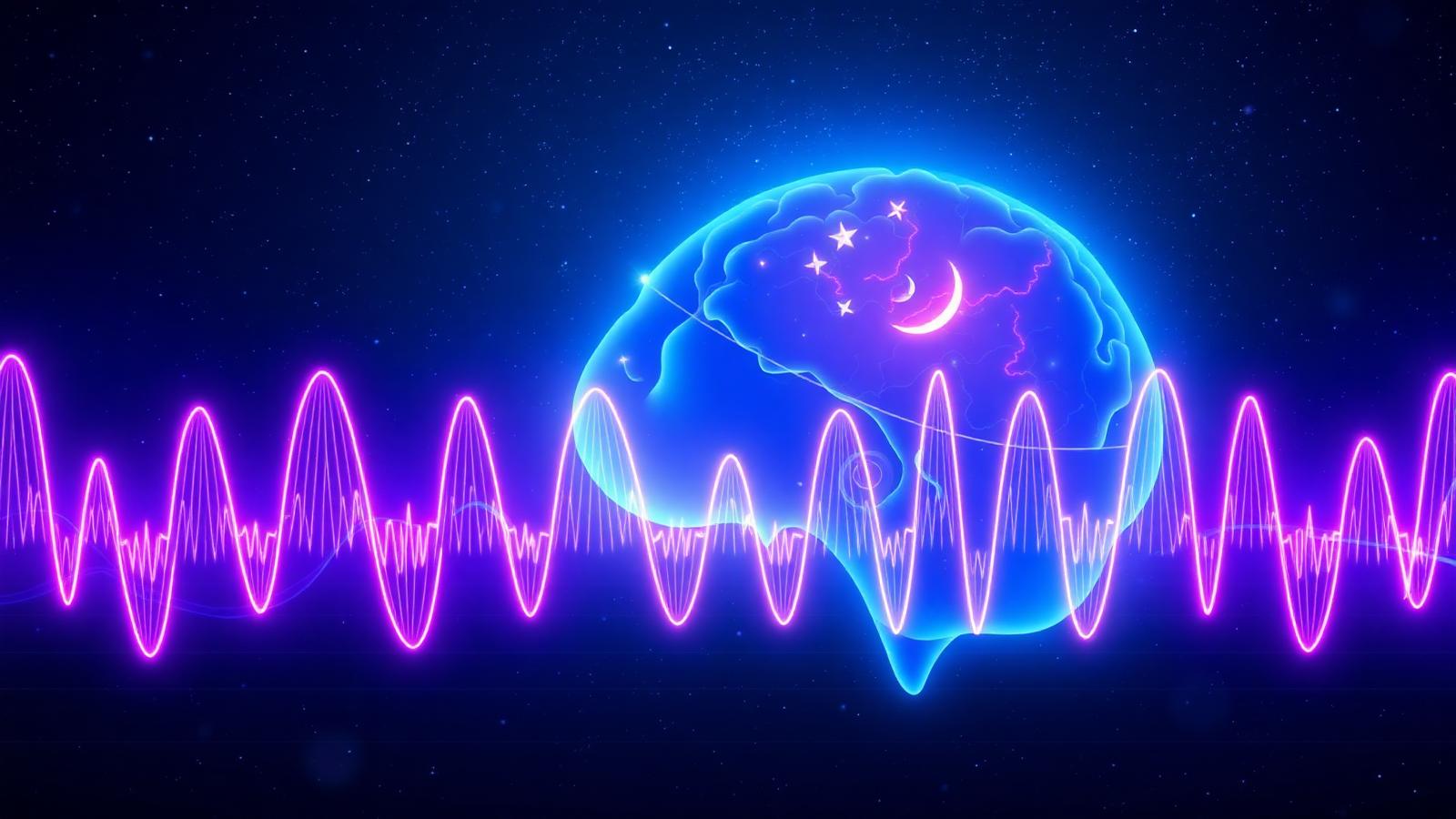
Sleep · REM · 8 min
REM Sleep and the Architecture of Dreams
Most vivid dreams occur during rapid eye movement (REM) sleep, when the brain becomes nearly as active as waking. This article explains the neuroscience of REM and what it reveals about why we dream.
Read article
Theory · Function · 9 min
Why We Dream: Leading Theories from Neuroscience
Why the brain spends hours each night generating immersive simulations remains one of neuroscience's open questions. This article reviews the leading scientific theories of dreaming.
Read article
Consciousness · Practice · 8 min
Lucid Dreaming: Science, Skill, and Significance
Lucid dreaming — being aware that one is dreaming while still in the dream — is a verifiable phenomenon studied in sleep laboratories. This article reviews its neuroscience and applications.
Read article
Sleep · Fear · 7 min
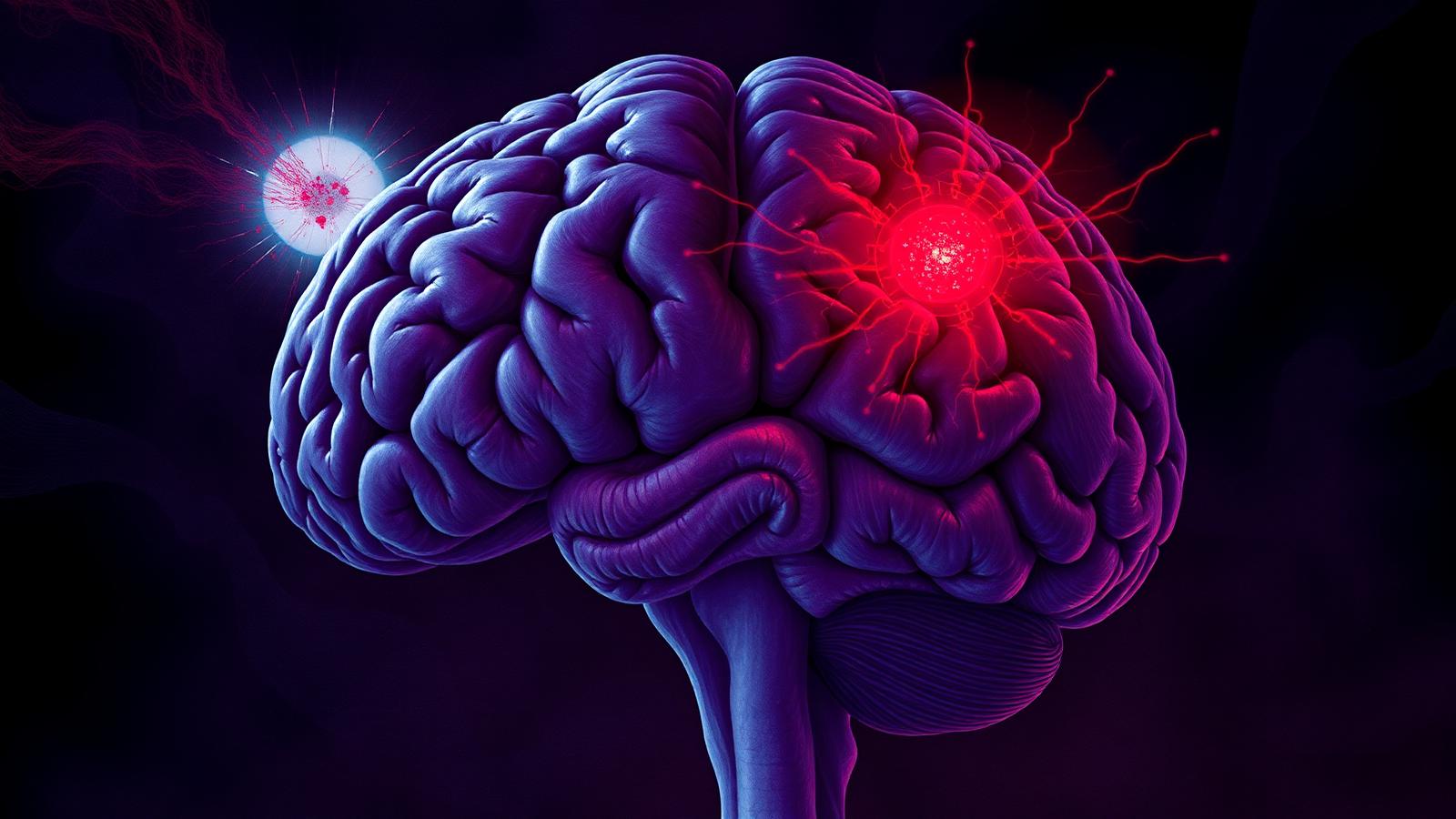
Nightmares: Why the Brain Generates Fear in Sleep
Nightmares are intense, often distressing dreams that can wake the sleeper. This article explores the neuroscience of nightmares and evidence-based treatments.
Read article

Cognition · Implicit · 9 min
The Cognitive Unconscious: What Operates Below Awareness
Most of the brain's processing occurs outside conscious awareness. This article reviews the modern science of the cognitive unconscious — distinct from Freud's psychodynamic model.
Read article
Memory · Sleep · 8 min
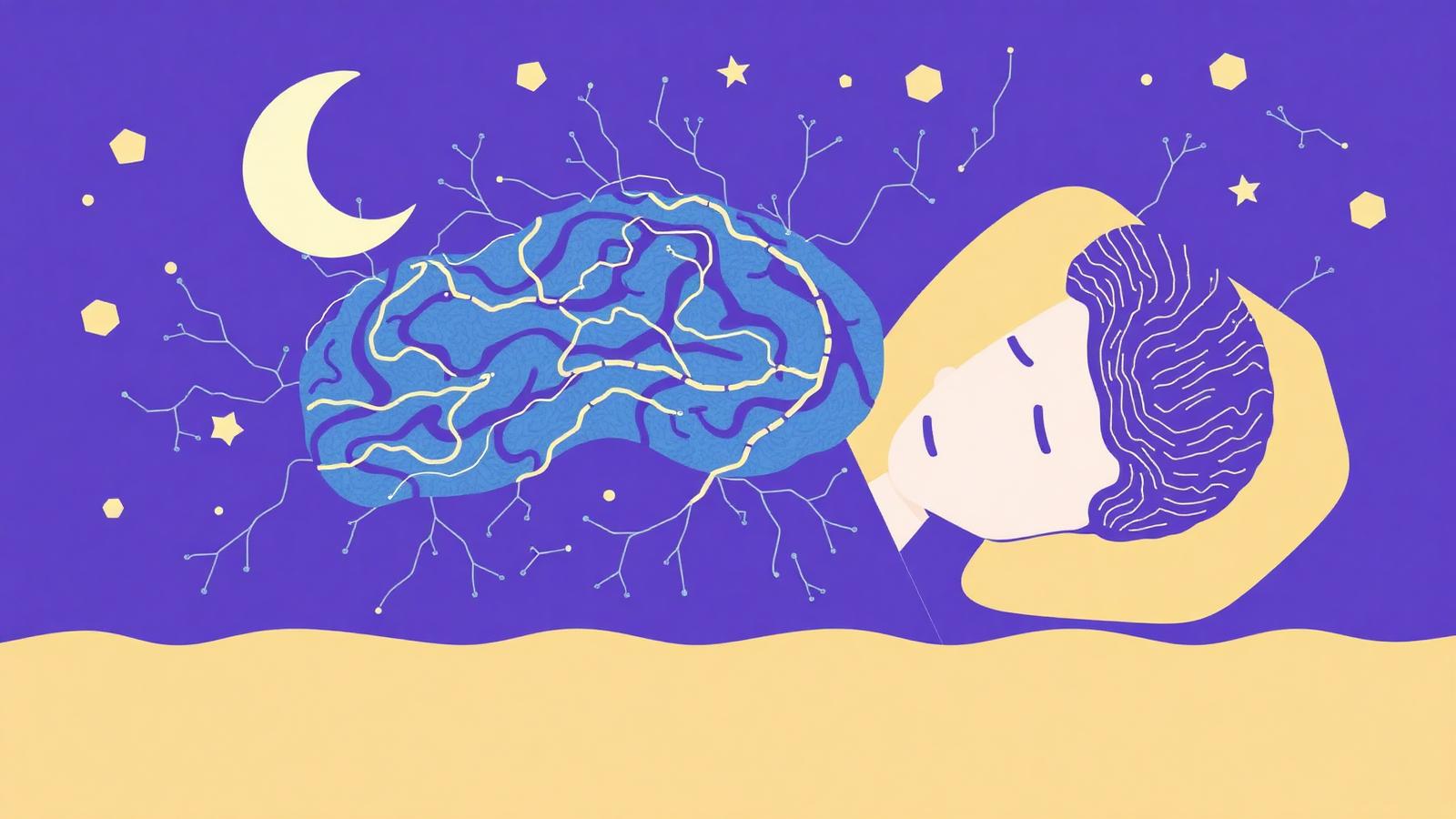
Dreams and Memory Consolidation
Sleep strengthens memories, and dreaming may play a role in selecting what is consolidated. This article reviews the relationship between dream content and memory processing.
Read article
Meaning · Culture · 7 min
Dream Interpretation: What Science Can and Cannot Say
Across cultures, dreams have been treated as messages worth decoding. This article examines what modern science says about the meaning and interpretation of dreams.
Read article

Sleep · Hallucination · 6 min
Sleep Paralysis and the Hypnagogic State
Sleep paralysis — being awake but unable to move, sometimes with vivid hallucinations — is a common phenomenon explained by REM intrusion into wakefulness.
Read article
Frequently asked questions
Do dreams have meaning?
+
Modern research supports the continuity hypothesis: dreams reflect waking concerns more than hidden symbols. They can be meaningful — but the meaning is personal, not derived from universal symbol dictionaries.
Why don't I remember my dreams?
+
REM features low aminergic tone, which impairs memory encoding. Most dreams fade within minutes of waking unless rehearsed or written down.
Is lucid dreaming safe?
+
For most people, yes. Excessive intentional lucidity may fragment sleep, and anyone with serious mental health concerns should consult a clinician.
Can the unconscious mind be 'reprogrammed'?
+
Claims of powerful subliminal reprogramming exceed the evidence. The cognitive unconscious influences behavior, but its effects are typically subtle and context-dependent.
What causes nightmares?
+
Common contributors include trauma, stress, sleep deprivation, certain medications, and PTSD. Imagery rehearsal therapy is the most evidence-based treatment.
Further reading & sources
Sponsor this work
BRAINMATTER is independent and reader-supported. Everything here stays free, ad-light, and open to everyone. A one-time sponsorship covers research time, editorial review, and hosting so we can keep publishing without paywalls.
Explore the BRAINMATTER pillars
Authoritative cornerstone hubs across human intelligence, AI, neurotechnology, and the brain economy. Each link goes to a pillar with long-form explainers, sources, and FAQs.
The Future of Human Intelligence
Flagship pillar on cognitive neuroscience, neuroplasticity, and the next 25 years of the human mind.
Human intelligence · Neuroplasticity · Brain capital
Human Intelligence & Cognitive Neuroscience
How the brain learns, remembers, reasons, and feels — from working memory to consciousness.
Cognitive neuroscience · Memory · Consciousness
Artificial Intelligence & NeuroAI
Foundation models, transformers, multimodal systems, and brain-inspired AI architectures.
AI · NeuroAI · Foundation models
Artificial General Intelligence (AGI)
Definitions, benchmarks, timelines, and the open scientific problems on the road to AGI.
AGI · Superintelligence · Scaling laws
Neurotechnology & Brain–Computer Interfaces
BCIs, neural implants, neuromodulation, and the engineering of human cognition.
Neurotechnology · BCI · Neural implants
Human–AI Collaboration & Cognitive Enhancement
How humans and intelligent systems augment each other's reasoning, creativity, and decision-making.
Human-AI collaboration · Cognitive enhancement
Neurodivergence & Brain Health
Autism, ADHD, dyslexia, and the neuroscience of cognitive diversity and lifelong brain health.
Neurodivergence · Brain health · Neurodiversity
AI Ethics, Safety & Alignment
Bias, privacy, misinformation, AI safety, and governance of intelligent systems.
AI ethics · Alignment · Governance
Future of Humanity & the Brain Economy
Long-horizon scenarios for the brain economy, post-AGI society, and civilizational risk.
Brain economy · Post-AGI · Long-termism
Intelligence Index — Human vs Machine
The definitive comparison of biological and artificial cognition across substrate, scale, and reasoning.
Intelligence index · Benchmarks · Comparative cognition
Frontier AI & Neuroscience Labs
Deep profiles of the research organizations defining the next era of intelligence.
OpenAI · Anthropic · DeepMind · Neuralink