Brain Optimization: Evidence-Based Cognitive Performance
A no-hype, evidence-anchored hub on cognitive performance — sleep, nutrition, exercise, attention, memory, learning — and what actually moves the needle.
Key takeaways
- Sleep is the single highest-leverage cognitive variable for most people.
- Aerobic exercise has the strongest evidence for protecting cognition across the lifespan.
- Most 'brain training' transfer claims are weak; targeted skill practice still wins.
- Attention is trainable — not by apps, but by structured practice and environment design.
What this hub covers
The brain-optimization category is dense with marketing and thin on evidence. This hub focuses on interventions with replicated effects in well-designed studies, calibrated for real-world use rather than headlines.
Long-form articles
Sourced, evidence-based explainers. New entries added regularly.
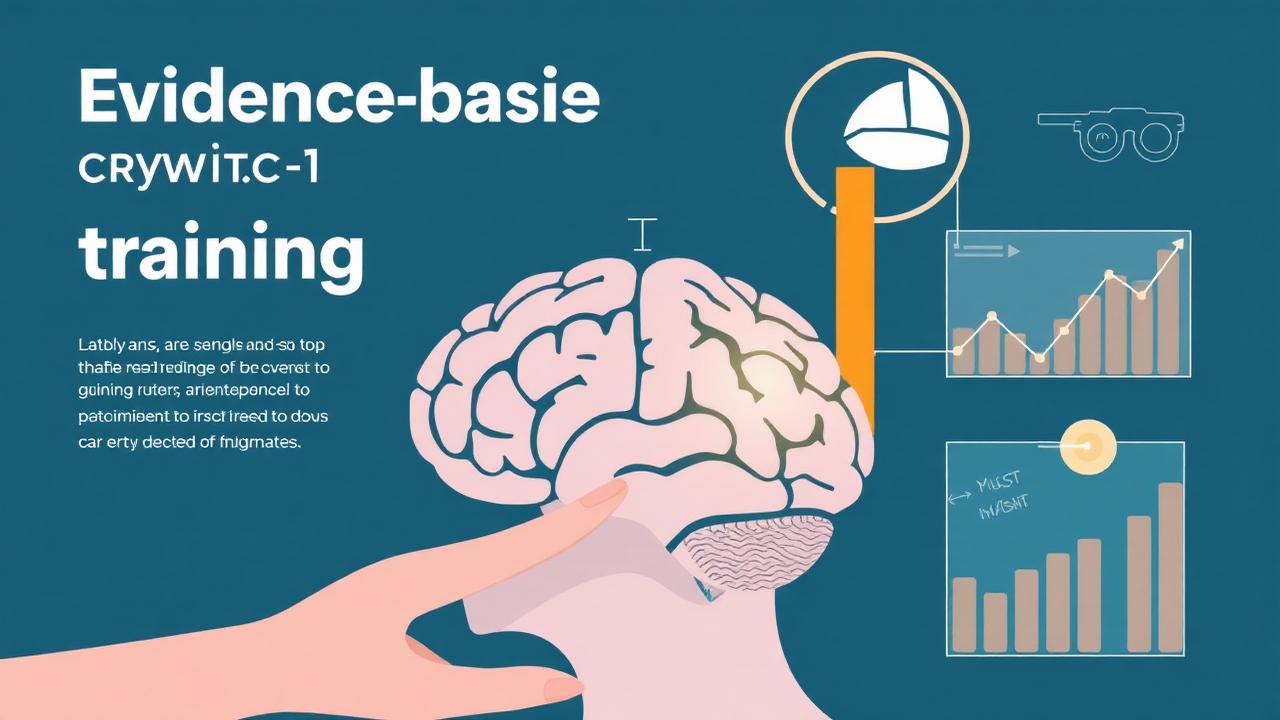
Training · Evidence · 9 min
Evidence-Based Cognitive Training: What Actually Transfers
Brain-training apps are oversold. Targeted skill practice, working-memory protocols with caveats, and meta-cognitive training have more support.
Read article

Sleep · Cognition · 9 min
Sleep Optimization: The Highest-Leverage Cognitive Variable
Sleep is the single intervention with the largest, most reliable effects on cognition, mood, and long-term brain health.
Read article
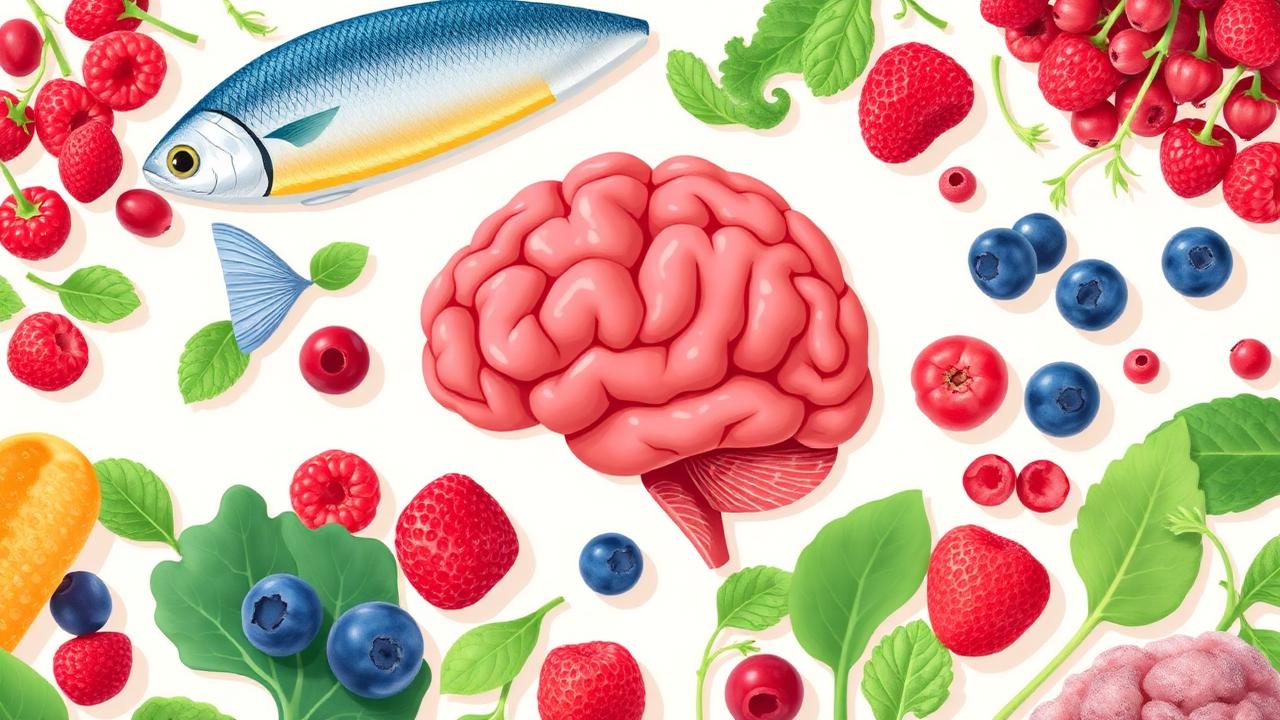
Nutrition · Cognition · 9 min
Nutrition for Cognition: The Diet Pattern That Wins
Diet pattern matters more than any individual nutrient. Mediterranean-style and MIND diets have the strongest evidence for cognitive protection.
Read article
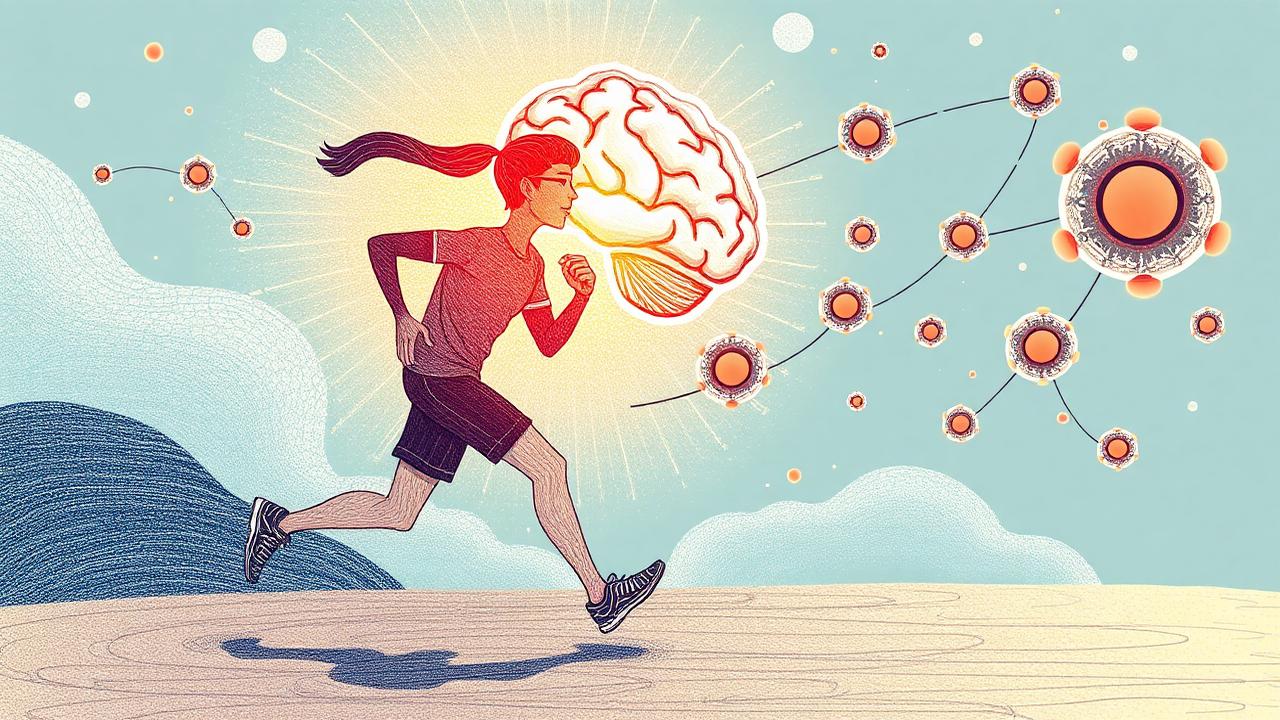
Exercise · Cognition · 9 min
Exercise for Cognition: The Most Underused Intervention
Aerobic exercise has the strongest evidence base of any intervention for protecting cognition across the lifespan — including BDNF, vascular, and inflammatory mechanisms.
Read article
Focus · Training · 8 min
Focus and Attention Training: What Actually Works
Attention is trainable — through environment design, deliberate practice on attention-demanding work, and structured contemplative practice. Apps alone are weak.
Read article

Memory · Techniques · 8 min
Memory Techniques: The Methods That Actually Work
Spaced retrieval, elaborative encoding, and the method of loci are the techniques with the strongest cognitive-science backing.
Read article

Learning · Acceleration · 8 min
Learning Faster: Evidence-Based Acceleration
Faster learning is not about IQ — it's about technique, sleep, spacing, and managing cognitive load. The replicated levers are surprisingly mundane.
Read article
Longevity · Cognition · 9 min
Avoiding Cognitive Decline: The Modifiable Levers
The Lancet Commission's modifiable risk factors are the most evidence-based blueprint for protecting cognition across the lifespan.
Read article
Frequently asked questions
What is the most effective brain-optimization intervention?
+
For nearly everyone: sleep, regular aerobic exercise, social engagement, and deliberate practice on the skills you actually use.
Do nootropics work?
+
A few with modest, narrow effects. Most marketed products fail rigorous trials.
Further reading & sources
Explore the BRAINMATTER pillars
Authoritative cornerstone hubs across human intelligence, AI, neurotechnology, and the brain economy. Each link goes to a pillar with long-form explainers, sources, and FAQs.
The Future of Human Intelligence
Flagship pillar on cognitive neuroscience, neuroplasticity, and the next 25 years of the human mind.
Human intelligence · Neuroplasticity · Brain capital
Human Intelligence & Cognitive Neuroscience
How the brain learns, remembers, reasons, and feels — from working memory to consciousness.
Cognitive neuroscience · Memory · Consciousness
Artificial Intelligence & NeuroAI
Foundation models, transformers, multimodal systems, and brain-inspired AI architectures.
AI · NeuroAI · Foundation models
Artificial General Intelligence (AGI)
Definitions, benchmarks, timelines, and the open scientific problems on the road to AGI.
AGI · Superintelligence · Scaling laws
Neurotechnology & Brain–Computer Interfaces
BCIs, neural implants, neuromodulation, and the engineering of human cognition.
Neurotechnology · BCI · Neural implants
Human–AI Collaboration & Cognitive Enhancement
How humans and intelligent systems augment each other's reasoning, creativity, and decision-making.
Human-AI collaboration · Cognitive enhancement
Neurodivergence & Brain Health
Autism, ADHD, dyslexia, and the neuroscience of cognitive diversity and lifelong brain health.
Neurodivergence · Brain health · Neurodiversity
AI Ethics, Safety & Alignment
Bias, privacy, misinformation, AI safety, and governance of intelligent systems.
AI ethics · Alignment · Governance
Future of Humanity & the Brain Economy
Long-horizon scenarios for the brain economy, post-AGI society, and civilizational risk.
Brain economy · Post-AGI · Long-termism
Intelligence Index — Human vs Machine
The definitive comparison of biological and artificial cognition across substrate, scale, and reasoning.
Intelligence index · Benchmarks · Comparative cognition
Frontier AI & Neuroscience Labs
Deep profiles of the research organizations defining the next era of intelligence.
OpenAI · Anthropic · DeepMind · Neuralink