Alzheimer's, Memory & Music
An evidence-based hub on Alzheimer's disease, memory loss, and the role of music in care. Written for patients, families, and clinicians who want clarity beyond the headlines.
Key takeaways
- Alzheimer's involves accumulation of amyloid plaques and tau tangles, with hippocampal damage producing early memory loss.
- Several modifiable risk factors — hearing loss, hypertension, physical inactivity, social isolation — meaningfully reduce risk.
- Musical memory is partially spared even in moderate disease, making personalized music a valuable care tool.
- Music therapy has strong evidence for reducing agitation and improving quality of life in dementia.
- New disease-modifying treatments have arrived in the 2020s; their real-world impact is still being evaluated.
What this hub covers
Alzheimer's is the most common cause of dementia, and its progression is one of the most painful losses a family can navigate. Decades of research have shown that musical memory is unusually preserved — and that personalized music can reduce agitation, improve mood, and reconnect patients to their identity even in advanced stages. This hub surveys the disease, the major memory systems involved, the lifestyle factors that meaningfully reduce risk, and the carefully studied role of music in care.
Long-form articles
Sourced, evidence-based explainers. New entries added regularly.
Disease Biology · 9 min
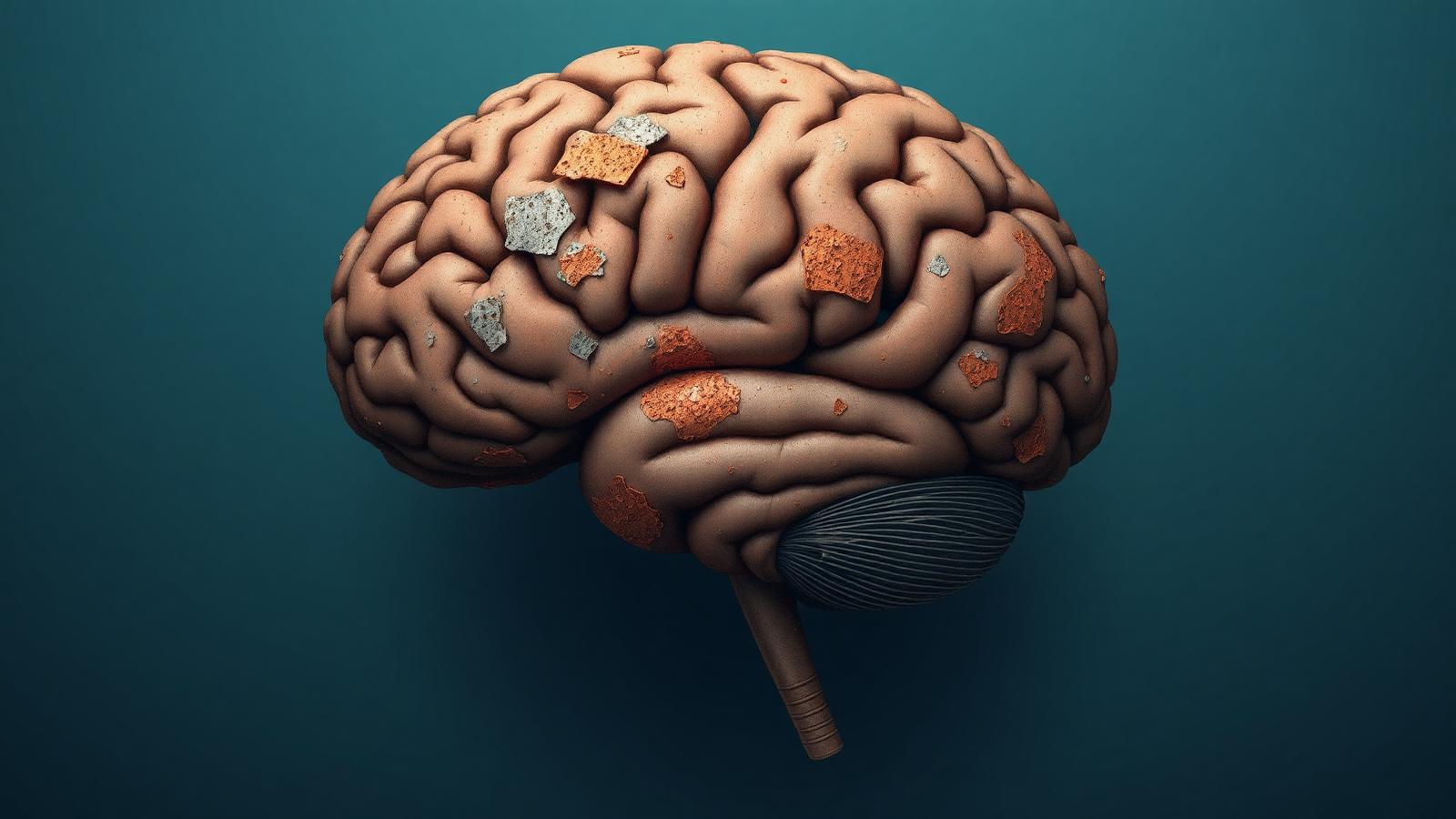
Alzheimer's and the Brain: What's Actually Happening
Alzheimer's disease involves a cascade of molecular and structural changes that progressively damages memory circuits. Understanding the biology helps families separate evidence from hype.
Read article

Music Therapy · Dementia · 9 min
Music Therapy for Alzheimer's: What the Evidence Supports
Among non-pharmacological interventions for Alzheimer's, music-based approaches have some of the strongest evidence — for specific outcomes, not as a cure.
Read article
Memory · Dementia · 7 min
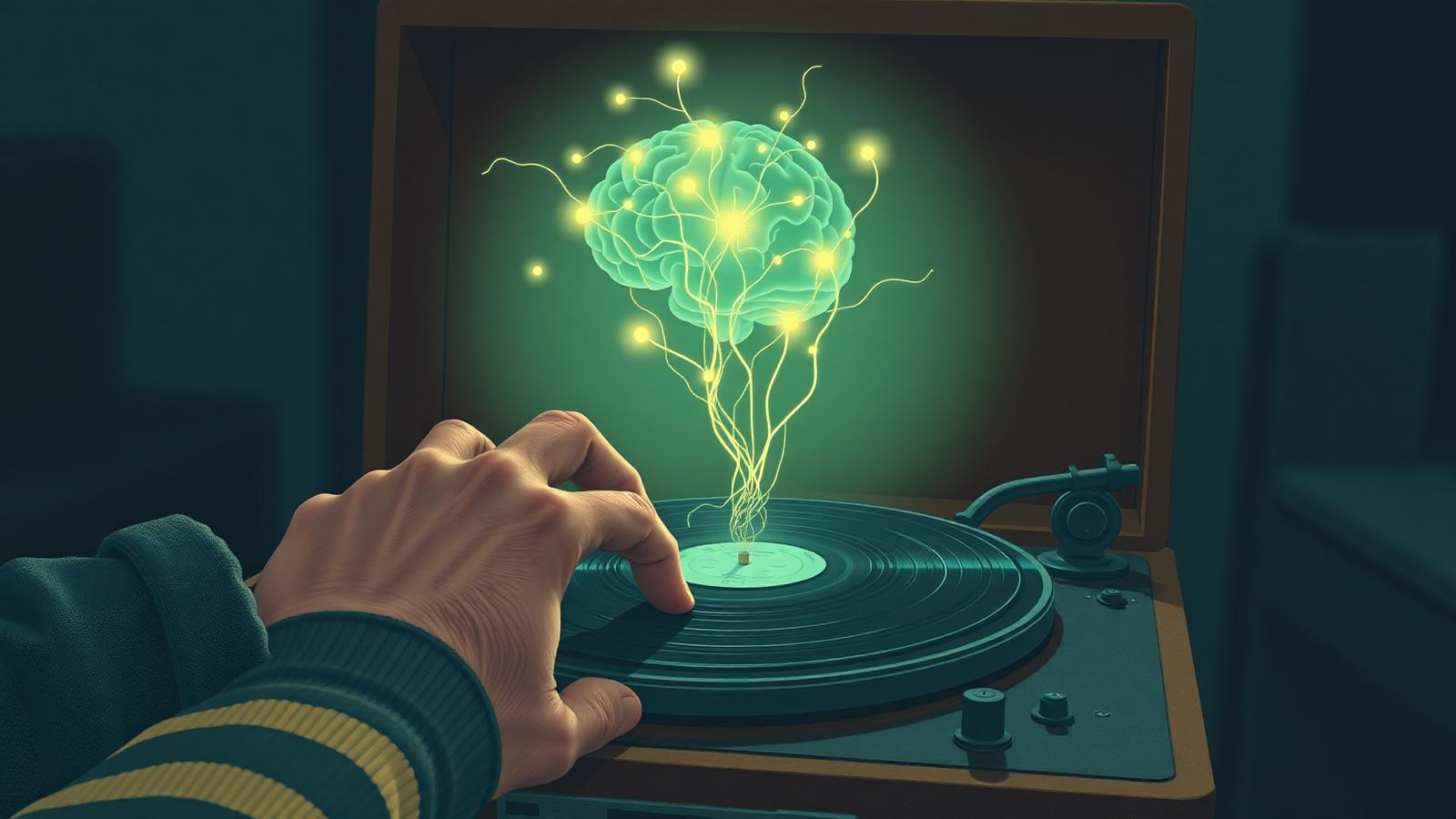
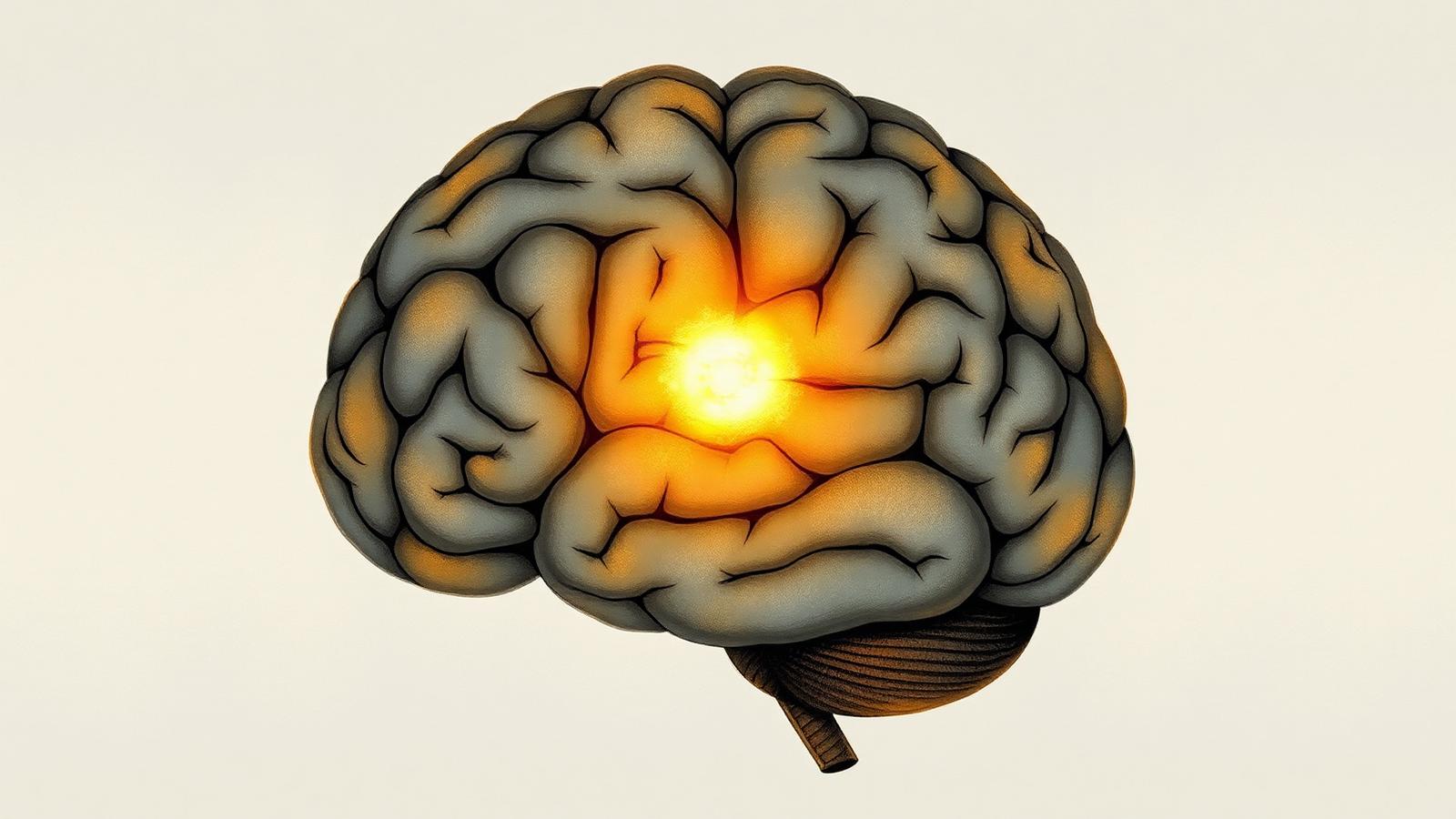
Preserved Musical Memory: Why Songs Survive When Names Don't
Even as episodic memory erodes, recognition of familiar songs and their emotional meaning is often strikingly preserved. The neuroanatomy explains why.
Read article
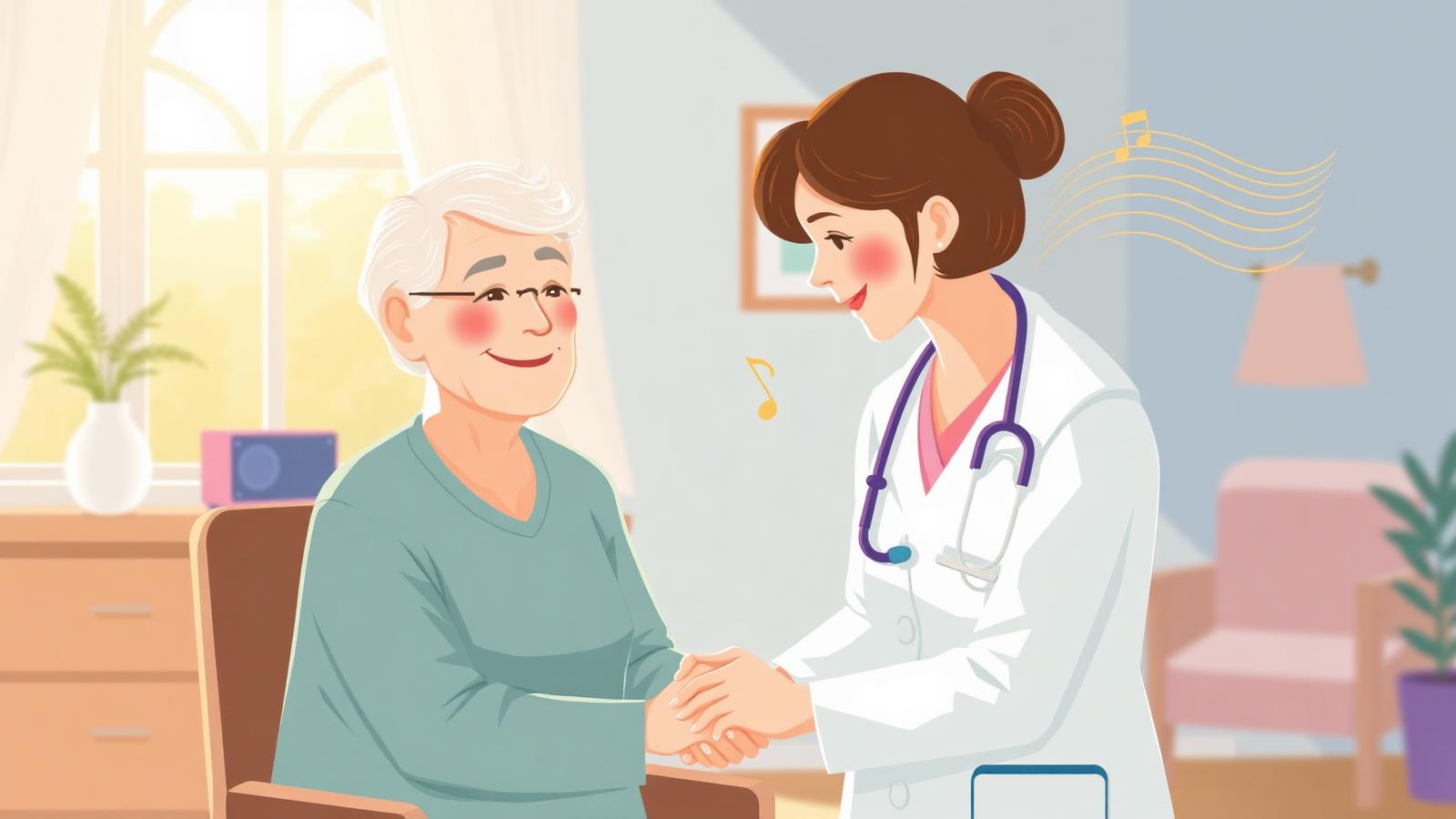
Care · Practical · 8 min
Dementia Care and Music: A Practical Guide for Families and Clinicians
Translating the evidence into daily care requires more than playing the radio. Personalization, timing, and listening behavior all shape outcomes.
Read article
Symptoms · Screening · 8 min
Early Signs of Cognitive Decline: When to Pay Attention
Some memory change is normal aging. Other patterns warrant evaluation. Knowing the difference can lead to earlier diagnosis and better outcomes.
Read article
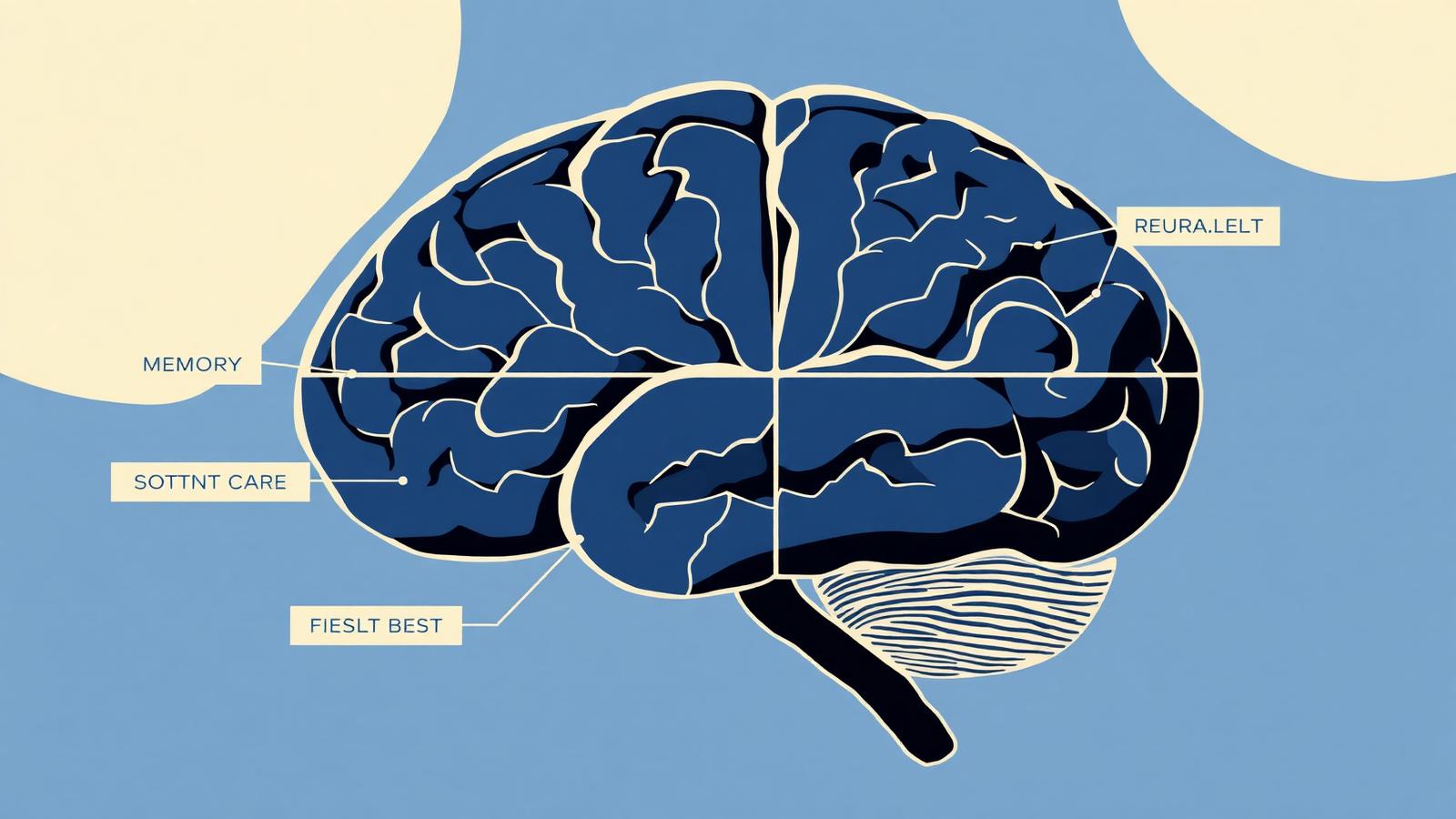
Memory · Diagnosis · 8 min
Types of Memory Loss: Not All Forgetting Is the Same
'Memory loss' covers a wide range of clinical syndromes with different causes, prognoses, and treatments. Knowing which is which matters.
Read article
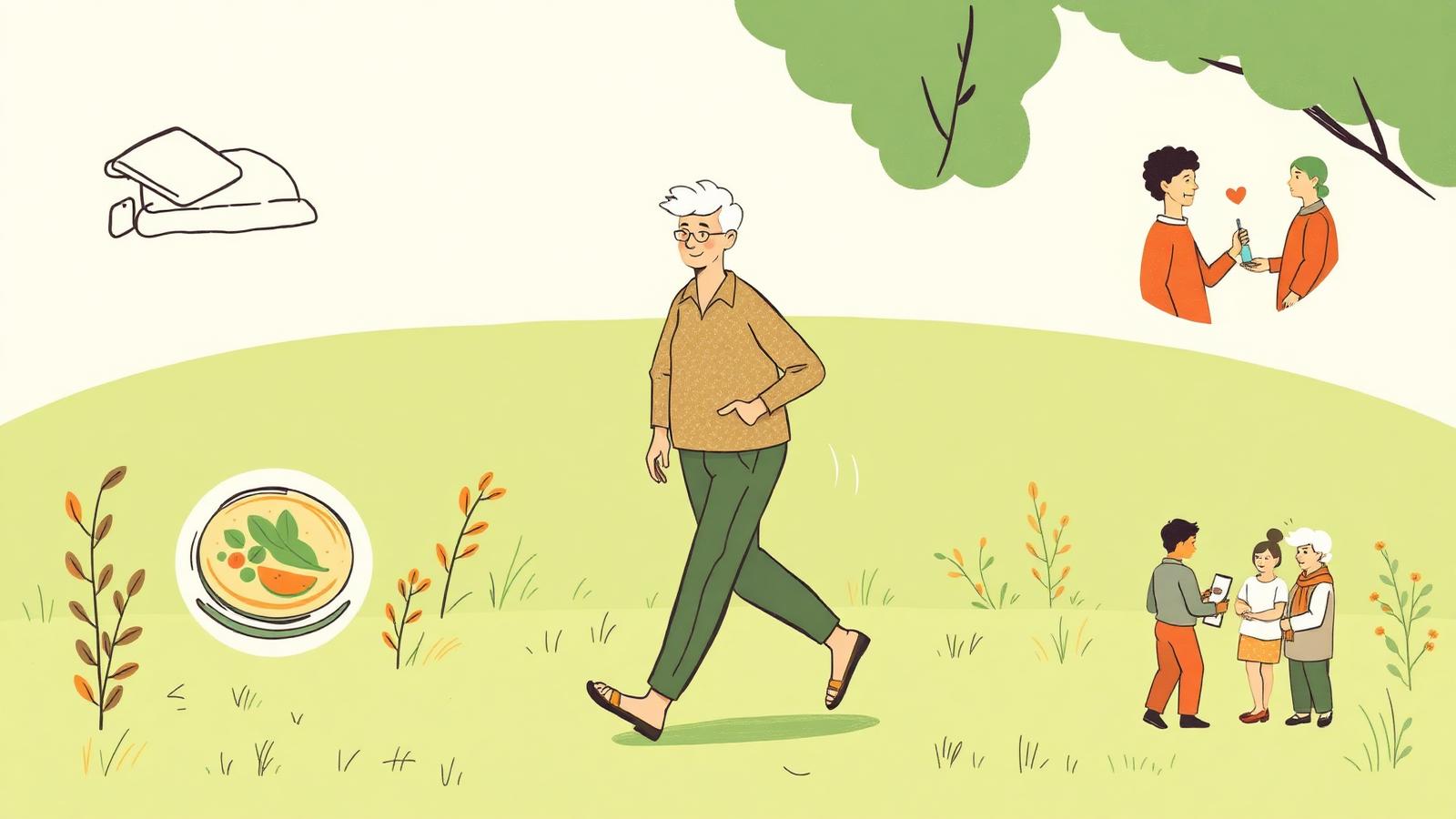
Prevention · Lifestyle · 9 min
Lifestyle and Alzheimer's Risk: What Actually Helps
No habit guarantees protection from Alzheimer's, but several reduce risk meaningfully. The Lancet commission estimates up to 40% of cases could be prevented or delayed by addressing modifiable factors.
Read article
Research Outlook · 9 min
The Future of Alzheimer's Research: Where Real Progress Is Coming From
After decades of slow progress, Alzheimer's research is now producing real treatments and new ways to think about the disease. The picture is cautiously hopeful — and still hard.
Read article
Frequently asked questions
What is the difference between dementia and Alzheimer's?
+
Dementia is a syndrome — a pattern of cognitive decline interfering with daily life. Alzheimer's disease is the most common cause of dementia but not the only one.
Can Alzheimer's be prevented?
+
Not reliably, but the Lancet commission estimates that addressing modifiable risk factors across the lifespan could prevent or delay roughly 40% of cases.
Does music really help Alzheimer's patients?
+
Personalized music has well-documented benefits for mood, agitation, engagement, and caregiver–patient connection. It is not a cure and does not slow disease progression.
Are the new Alzheimer's drugs effective?
+
Anti-amyloid antibodies modestly slow cognitive decline in early disease in clinical trials. Real-world benefit, side-effect profile, and access remain active questions.
Further reading & sources
Sponsor this work
BRAINMATTER is independent and reader-supported. Everything here stays free, ad-light, and open to everyone. A one-time sponsorship covers research time, editorial review, and hosting so we can keep publishing without paywalls.
Explore the BRAINMATTER pillars
Authoritative cornerstone hubs across human intelligence, AI, neurotechnology, and the brain economy. Each link goes to a pillar with long-form explainers, sources, and FAQs.
The Future of Human Intelligence
Flagship pillar on cognitive neuroscience, neuroplasticity, and the next 25 years of the human mind.
Human intelligence · Neuroplasticity · Brain capital
Human Intelligence & Cognitive Neuroscience
How the brain learns, remembers, reasons, and feels — from working memory to consciousness.
Cognitive neuroscience · Memory · Consciousness
Artificial Intelligence & NeuroAI
Foundation models, transformers, multimodal systems, and brain-inspired AI architectures.
AI · NeuroAI · Foundation models
Artificial General Intelligence (AGI)
Definitions, benchmarks, timelines, and the open scientific problems on the road to AGI.
AGI · Superintelligence · Scaling laws
Neurotechnology & Brain–Computer Interfaces
BCIs, neural implants, neuromodulation, and the engineering of human cognition.
Neurotechnology · BCI · Neural implants
Human–AI Collaboration & Cognitive Enhancement
How humans and intelligent systems augment each other's reasoning, creativity, and decision-making.
Human-AI collaboration · Cognitive enhancement
Neurodivergence & Brain Health
Autism, ADHD, dyslexia, and the neuroscience of cognitive diversity and lifelong brain health.
Neurodivergence · Brain health · Neurodiversity
AI Ethics, Safety & Alignment
Bias, privacy, misinformation, AI safety, and governance of intelligent systems.
AI ethics · Alignment · Governance
Future of Humanity & the Brain Economy
Long-horizon scenarios for the brain economy, post-AGI society, and civilizational risk.
Brain economy · Post-AGI · Long-termism
Intelligence Index — Human vs Machine
The definitive comparison of biological and artificial cognition across substrate, scale, and reasoning.
Intelligence index · Benchmarks · Comparative cognition
Frontier AI & Neuroscience Labs
Deep profiles of the research organizations defining the next era of intelligence.
OpenAI · Anthropic · DeepMind · Neuralink
Continue exploring
Human Intelligence
The biology, psychology, and architecture of human cognition - from neurons to consciousness.
Neurotechnology
Brain-computer interfaces, neural implants, and the convergence of biology and silicon.
Future of Humanity
Long-term scenarios for civilization, cognition, and what it means to be human in an AI era.