Sleep & the Brain
Sleep is not downtime. It is one of the most active and consequential states the brain enters — essential for memory, immunity, emotion, and cognition.
Key takeaways
- Sleep cycles between NREM (with deep slow-wave stages) and REM roughly every 90 minutes.
- Memory consolidation and synaptic pruning happen primarily during sleep, not waking learning.
- Circadian timing — not just duration — controls how restorative sleep feels.
- Chronic short sleep raises risk of cardiovascular disease, dementia, depression, and metabolic disorders.
- Most adults need 7–9 hours; consistent timing matters as much as total duration.
What this hub covers
Modern sleep science has overturned the idea that sleep is passive rest. During sleep, the brain consolidates memories, clears metabolic waste, recalibrates emotion, and tunes circuits for the next day. This hub synthesizes what the evidence says about sleep architecture, dreaming, circadian rhythms, insomnia, and the long-term cost of poor sleep.
Long-form articles
Sourced, evidence-based explainers. New entries added regularly.
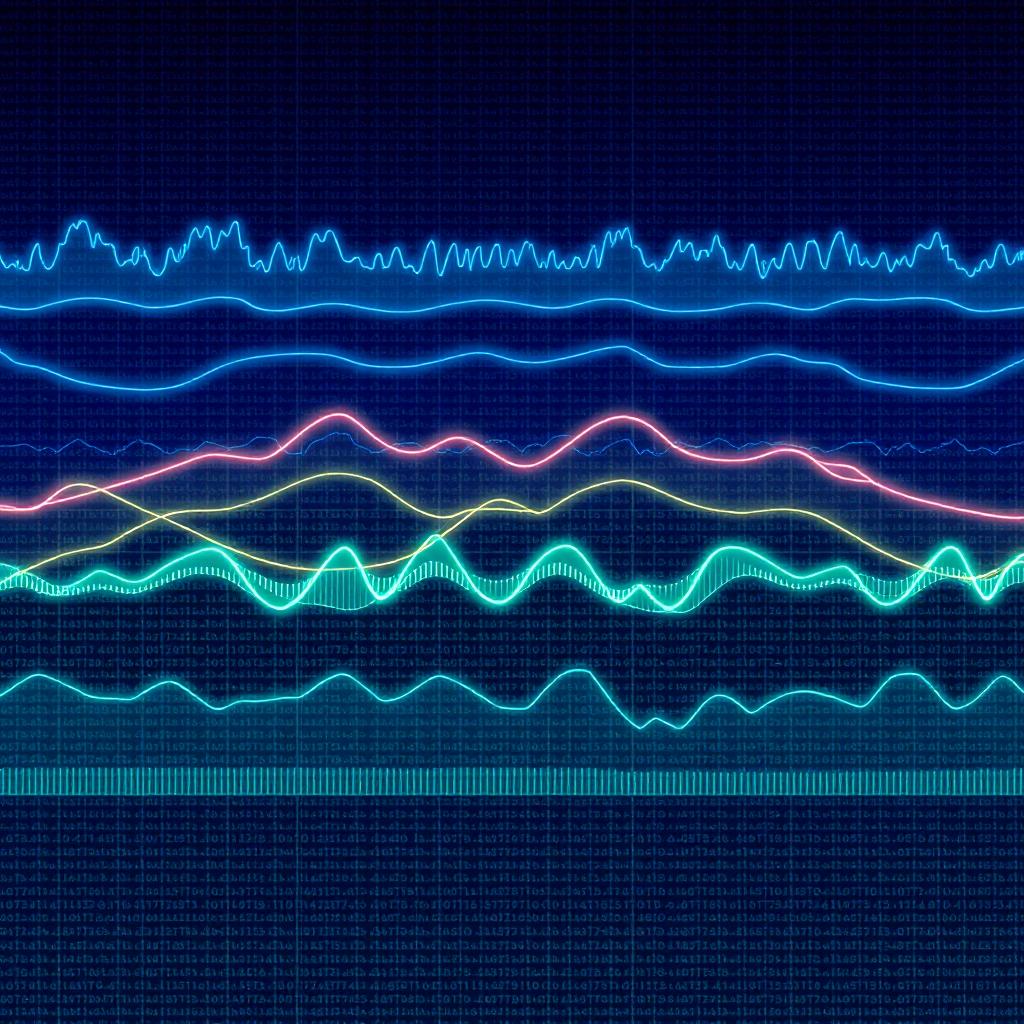
Sleep · Neuroscience · EEG · 8 min
Sleep Architecture: NREM, REM, and the 90-Minute Cycle
A night of sleep is a structured journey through distinct neural states, each with its own electrical signature and biological purpose.
Read article
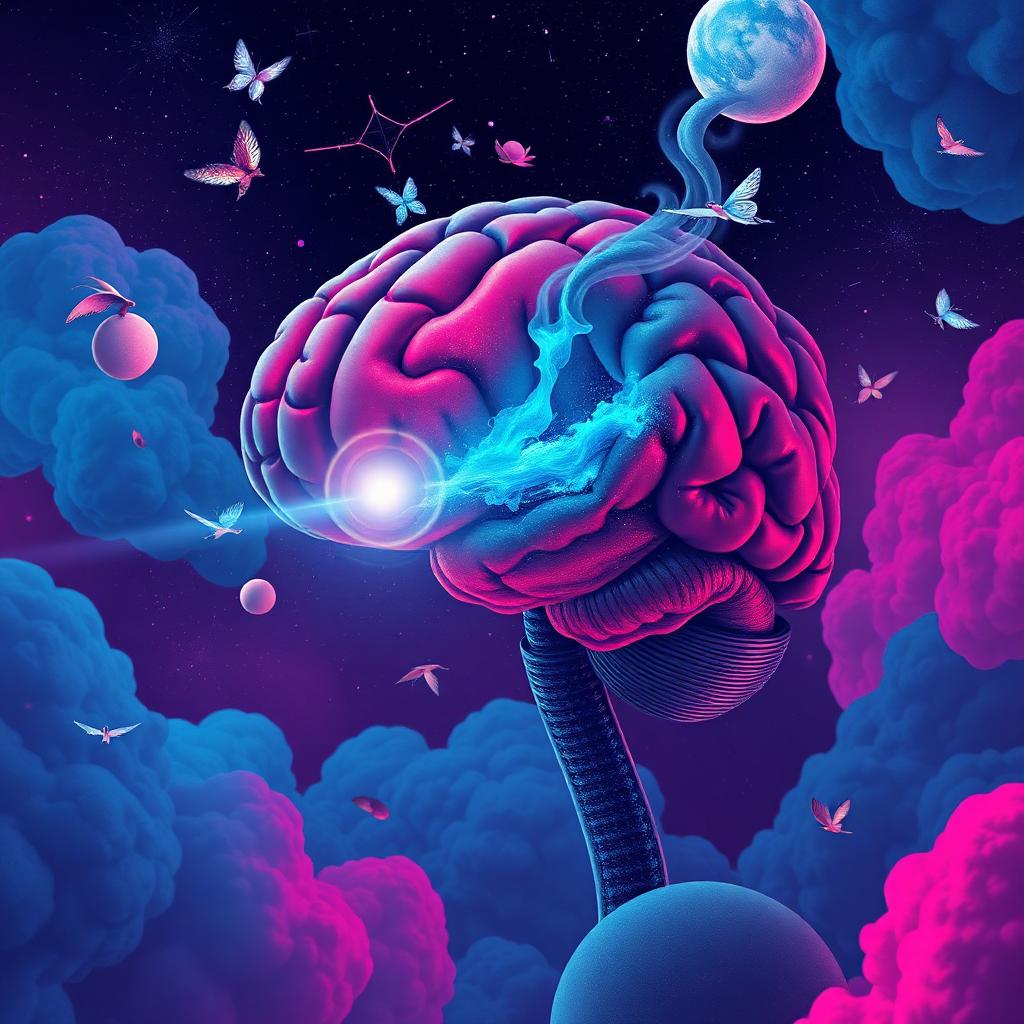
REM · Dreams · Neuroscience · 8 min
REM Sleep and Dreaming: Why the Brain Imagines at Night
REM is one of the most paradoxical states in biology: a wide-awake cortex inside a paralyzed body, generating the rich hallucinations we call dreams.
Read article
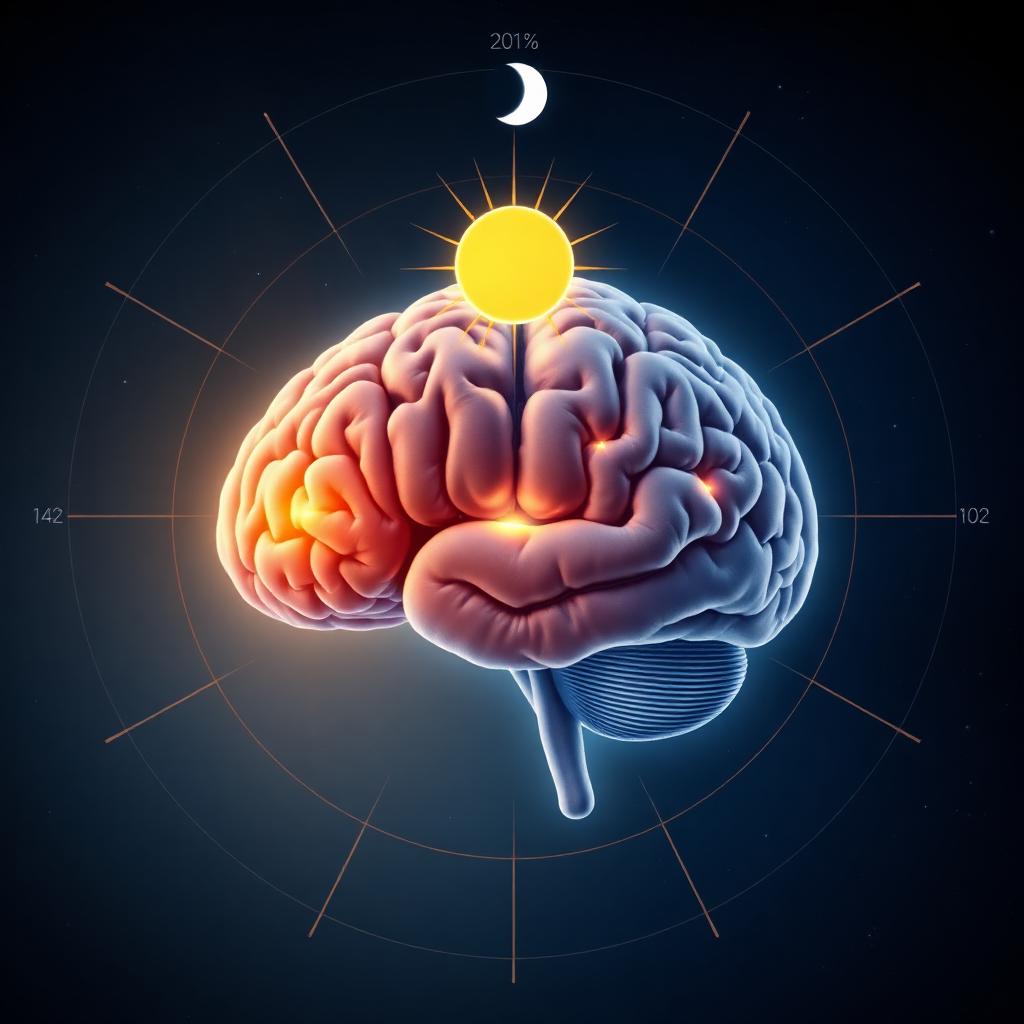
Circadian · SCN · Light · 8 min
Circadian Rhythms: The Brain's 24-Hour Clock
Almost every cell in the body keeps time. The brain's master clock — the suprachiasmatic nucleus — synchronizes them to the rising and setting sun.
Read article
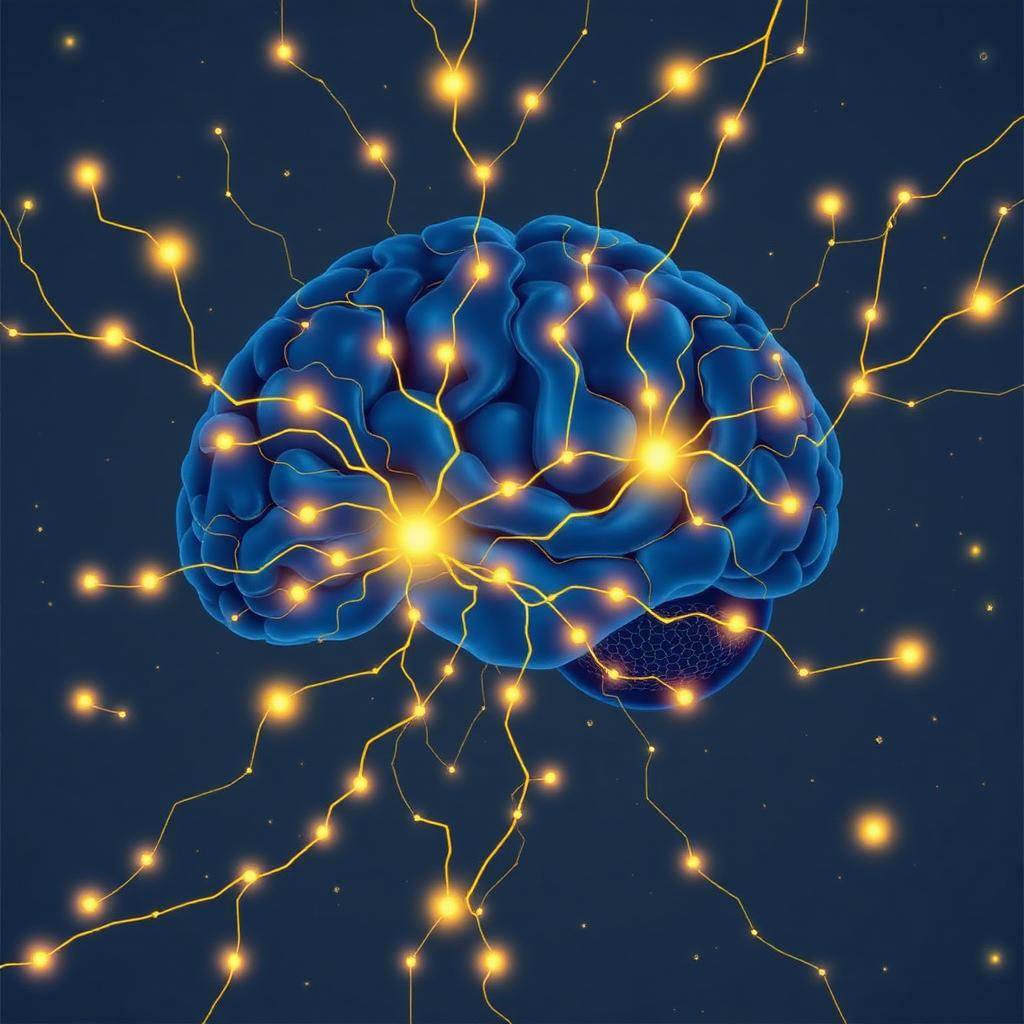
Memory · Consolidation · Sleep · 8 min
Sleep and Memory Consolidation: How the Brain Saves What You Learn
Learning during the day is only the first step. The brain stabilizes, integrates, and prunes those memories overnight.
Read article
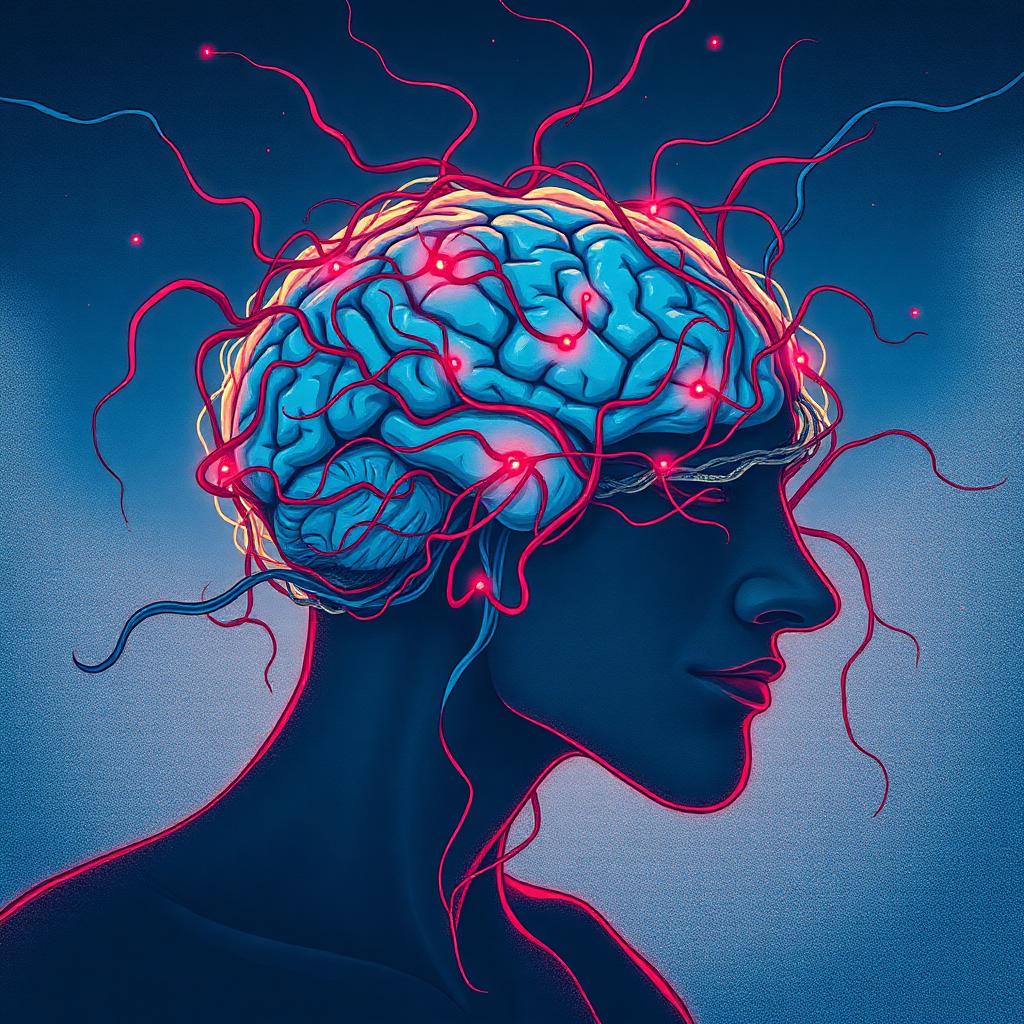
Insomnia · Hyperarousal · CBT-I · 8 min
Insomnia Neuroscience: A Brain Stuck in Hyperarousal
Insomnia is not just trouble sleeping. It is a 24-hour disorder of hyperarousal in the brain and body.
Read article
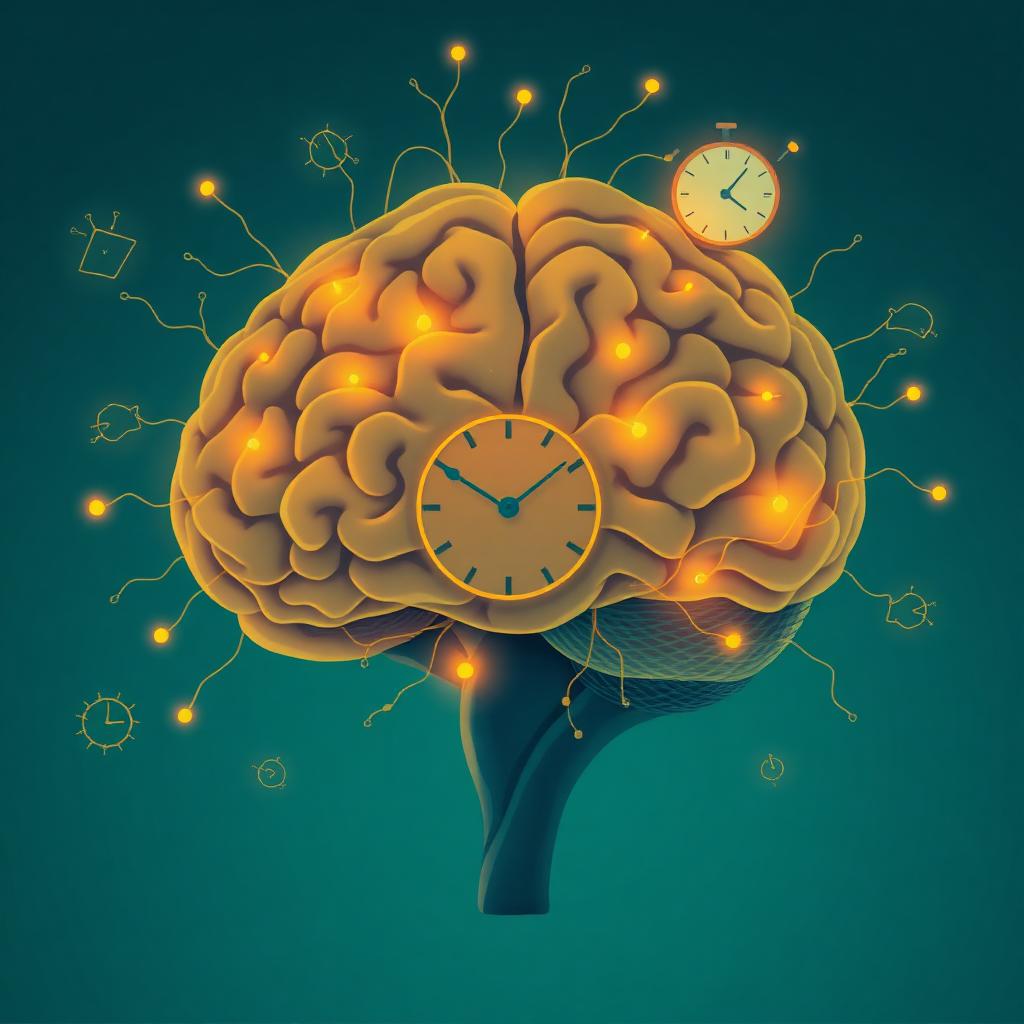
Sleep loss · Cognition · Health · 8 min
Sleep Deprivation: What Losing Sleep Does to the Brain
Even modest, repeated sleep loss produces measurable changes in cognition, mood, immunity, and long-term brain health.
Read article
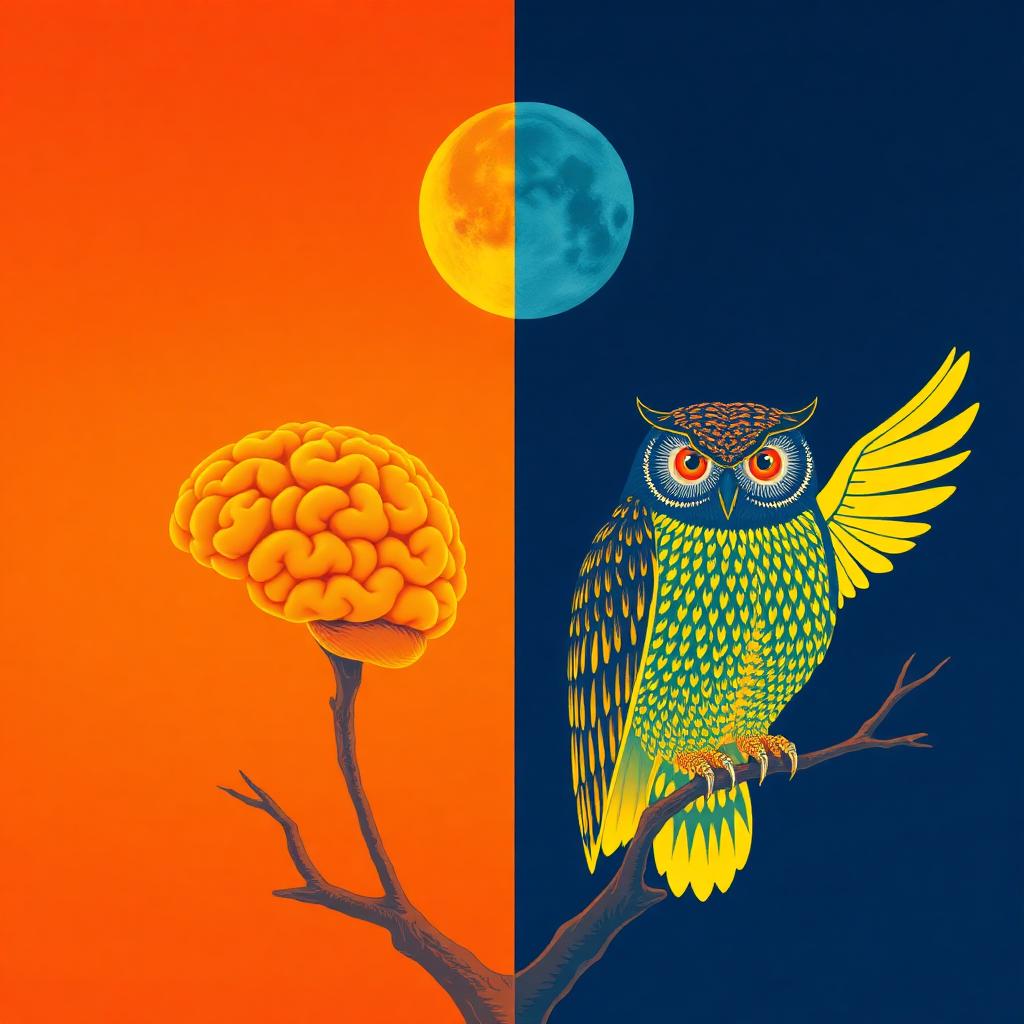
Chronotype · Genetics · Performance · 7 min
Chronotypes: Why Larks and Owls Are Real
Some people are wired for early mornings, others for late nights. Chronotype is a biological trait — and aligning life to it improves performance.
Read article
Sleep medicine · Diagnosis · Treatment · 8 min
Sleep Disorders: From Apnea to Narcolepsy
Dozens of distinct disorders disrupt sleep. Many are treatable — but most go undiagnosed for years.
Read article
Frequently asked questions
Is 6 hours of sleep enough?
+
For most adults, no. Population studies show cognitive and health costs accumulating below 7 hours, even when people report feeling fine. A small minority carry rare genetic variants that allow shorter sleep without deficit.
What is the glymphatic system?
+
It is a brain-wide waste clearance pathway that is dramatically more active during NREM sleep. It removes metabolic byproducts including beta-amyloid, linking poor sleep to neurodegeneration risk.
Are dreams meaningful?
+
Dreams reflect brain activity during REM and other sleep stages. They likely play roles in emotional processing and memory integration, though specific dream content is not a reliable diagnostic signal.
Can you catch up on lost sleep?
+
Partially. Recovery sleep restores some cognitive function, but chronic sleep debt produces lasting changes that a weekend cannot reverse.
Further reading & sources
Sponsor this work
BRAINMATTER is independent and reader-supported. Everything here stays free, ad-light, and open to everyone. A one-time sponsorship covers research time, editorial review, and hosting so we can keep publishing without paywalls.
Explore the BRAINMATTER pillars
Authoritative cornerstone hubs across human intelligence, AI, neurotechnology, and the brain economy. Each link goes to a pillar with long-form explainers, sources, and FAQs.
The Future of Human Intelligence
Flagship pillar on cognitive neuroscience, neuroplasticity, and the next 25 years of the human mind.
Human intelligence · Neuroplasticity · Brain capital
Human Intelligence & Cognitive Neuroscience
How the brain learns, remembers, reasons, and feels — from working memory to consciousness.
Cognitive neuroscience · Memory · Consciousness
Artificial Intelligence & NeuroAI
Foundation models, transformers, multimodal systems, and brain-inspired AI architectures.
AI · NeuroAI · Foundation models
Artificial General Intelligence (AGI)
Definitions, benchmarks, timelines, and the open scientific problems on the road to AGI.
AGI · Superintelligence · Scaling laws
Neurotechnology & Brain–Computer Interfaces
BCIs, neural implants, neuromodulation, and the engineering of human cognition.
Neurotechnology · BCI · Neural implants
Human–AI Collaboration & Cognitive Enhancement
How humans and intelligent systems augment each other's reasoning, creativity, and decision-making.
Human-AI collaboration · Cognitive enhancement
Neurodivergence & Brain Health
Autism, ADHD, dyslexia, and the neuroscience of cognitive diversity and lifelong brain health.
Neurodivergence · Brain health · Neurodiversity
AI Ethics, Safety & Alignment
Bias, privacy, misinformation, AI safety, and governance of intelligent systems.
AI ethics · Alignment · Governance
Future of Humanity & the Brain Economy
Long-horizon scenarios for the brain economy, post-AGI society, and civilizational risk.
Brain economy · Post-AGI · Long-termism
Intelligence Index — Human vs Machine
The definitive comparison of biological and artificial cognition across substrate, scale, and reasoning.
Intelligence index · Benchmarks · Comparative cognition
Frontier AI & Neuroscience Labs
Deep profiles of the research organizations defining the next era of intelligence.
OpenAI · Anthropic · DeepMind · Neuralink