
Senses & Perception: How the Brain Builds Reality
An evidence-based hub on vision, hearing, smell, taste, touch, pain, balance, and the predictive processes that turn signals into experience.
Key takeaways
- Vision is the most studied sense and consumes a large share of cortical real estate.
- Hearing is exquisitely time-resolved — humans detect differences on the order of microseconds.
- Smell connects directly to memory and emotion through unusually short circuit paths.
- Pain is constructed by the brain — not simply a readout of tissue damage.
- Perception is fundamentally predictive — what we see is partly what the brain expects.
What this hub covers
Perception is not passive reception — it is the brain's best guess at what's out there, constructed from sensory signals and learned expectations. This hub maps how that construction actually works across the major senses and integrative systems.
Long-form articles
Sourced, evidence-based explainers. New entries added regularly.
Vision · Neuroscience · 9 min
The Visual System: How the Brain Sees
Roughly a third of the cortex contributes to vision. The pipeline from photons to perception is among the best-mapped in neuroscience.
Read article
Hearing · Neuroscience · 8 min
The Auditory System: How the Brain Hears
Hearing is the brain's high-resolution time sense. The cochlea, brainstem nuclei, and auditory cortex together decode sound with extraordinary temporal precision.
Read article
Olfaction · Gustation · 7 min
Smell and Taste: The Chemical Senses
Olfaction and gustation are the brain's chemical-sensing systems — ancient, evocative, and tightly tied to memory, emotion, and behavior.
Read article
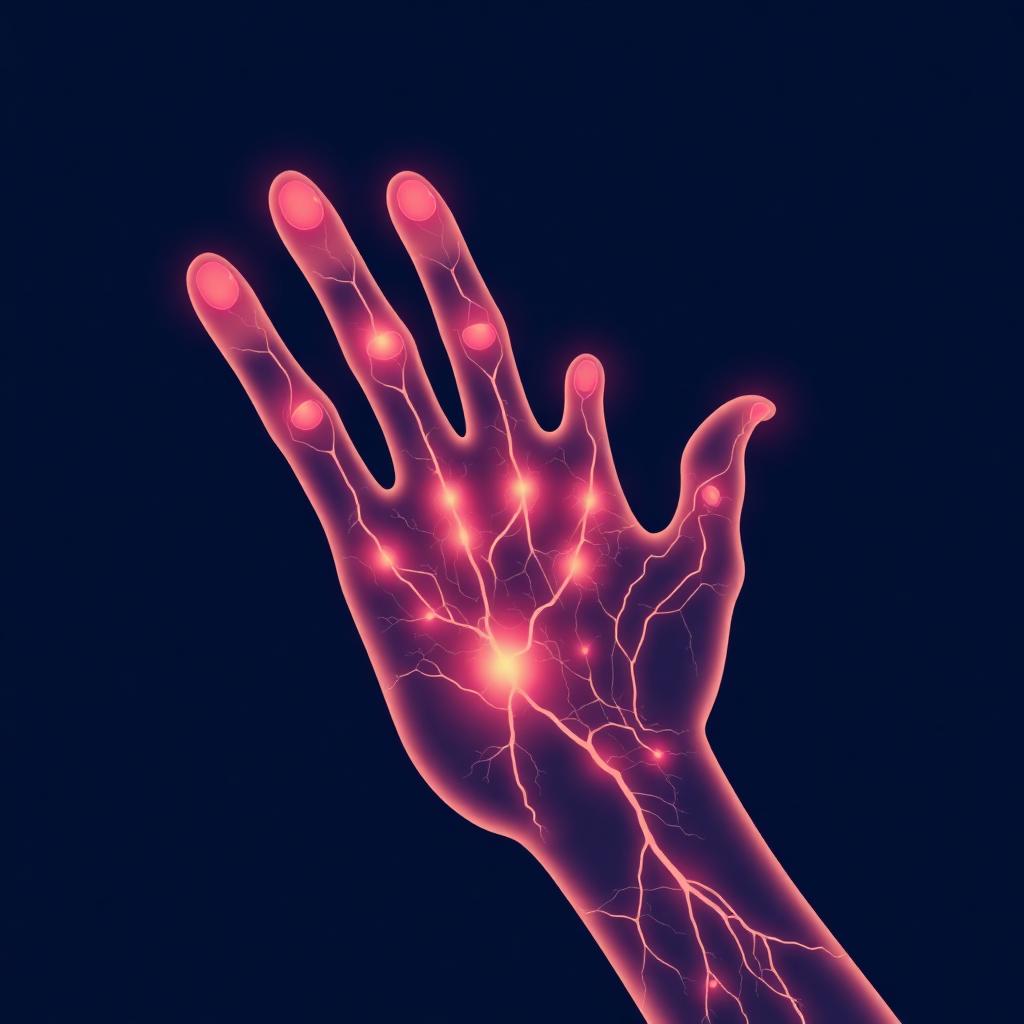
Touch · Somatosensation · 7 min
Touch and Somatosensation
Touch is the body's largest sense — a distributed system spanning skin, joints, muscles, and the cortical maps that represent them.
Read article
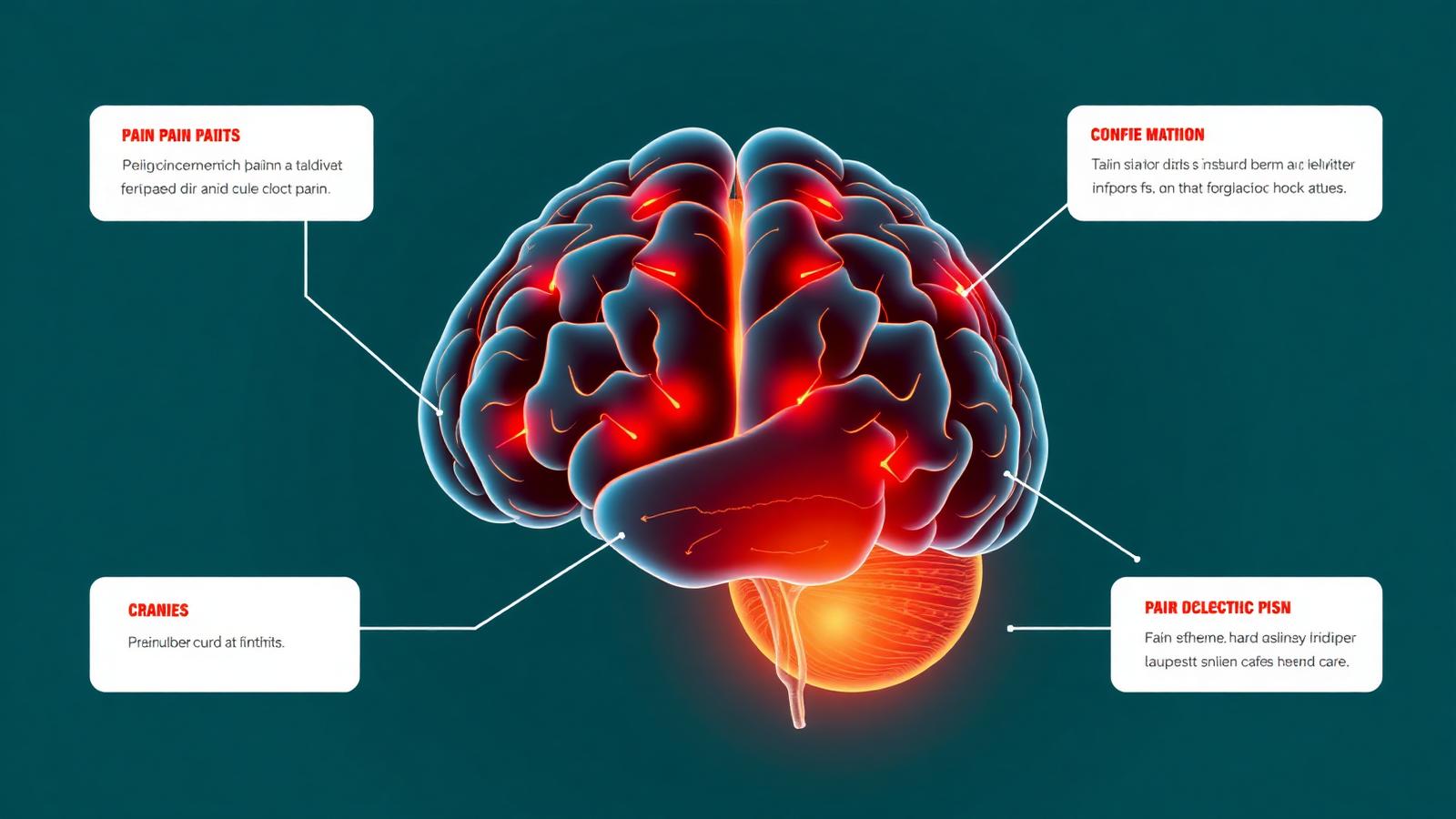
Pain · Neuroscience · 9 min
Pain Neuroscience: Why It Hurts
Pain is constructed by the brain — not a simple readout of tissue damage. Understanding that shapes how chronic pain is treated.
Read article
Perception · Inference · 9 min
Predictive Perception: How the Brain Guesses Reality
Modern theories cast perception as inference: the brain combines sensory signals with prior expectations to construct its best guess about the world.
Read article
Integration · Perception · 7 min
Multisensory Integration
Most of what we perceive arrives through multiple senses at once. The brain's job is to bind those signals into coherent objects and events.
Read article
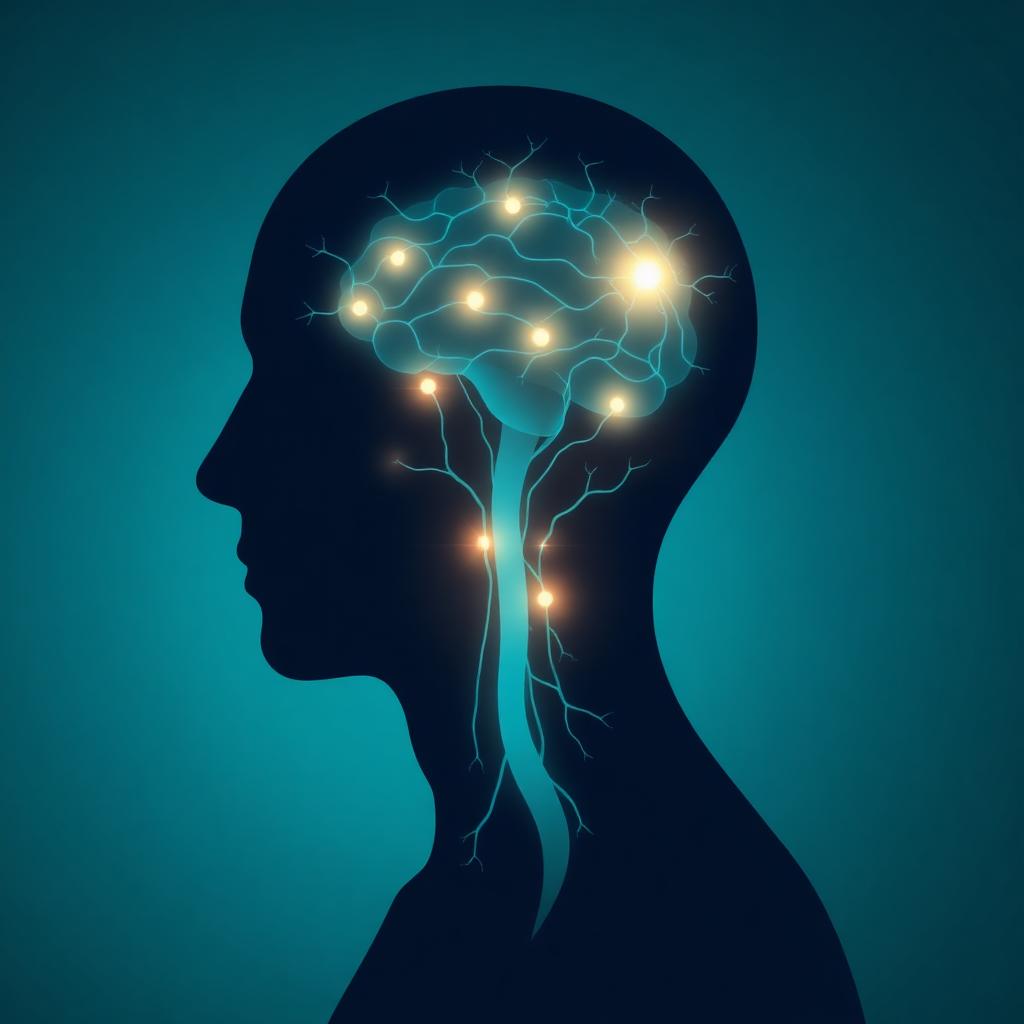
Proprioception · Vestibular · 7 min
Proprioception and Balance
The 'sixth sense' of body position and the vestibular sense of balance work below conscious awareness — but failure of either is immediately disabling.
Read article
Frequently asked questions
Are there really only five senses?
+
No — proprioception, balance, interoception, temperature, and pain are also distinct senses with their own circuitry.
Why does smell evoke memories so vividly?
+
Olfactory pathways connect directly to the amygdala and hippocampus with fewer relays than other senses, biasing odor-evoked memory toward emotional salience.
Can the brain be trained to perceive better?
+
Yes — perceptual learning produces durable improvements in discrimination across vision, hearing, and touch.
Further reading & sources
Sponsor this work
BRAINMATTER is independent and reader-supported. Everything here stays free, ad-light, and open to everyone. A one-time sponsorship covers research time, editorial review, and hosting so we can keep publishing without paywalls.
Explore the BRAINMATTER pillars
Authoritative cornerstone hubs across human intelligence, AI, neurotechnology, and the brain economy. Each link goes to a pillar with long-form explainers, sources, and FAQs.
The Future of Human Intelligence
Flagship pillar on cognitive neuroscience, neuroplasticity, and the next 25 years of the human mind.
Human intelligence · Neuroplasticity · Brain capital
Human Intelligence & Cognitive Neuroscience
How the brain learns, remembers, reasons, and feels — from working memory to consciousness.
Cognitive neuroscience · Memory · Consciousness
Artificial Intelligence & NeuroAI
Foundation models, transformers, multimodal systems, and brain-inspired AI architectures.
AI · NeuroAI · Foundation models
Artificial General Intelligence (AGI)
Definitions, benchmarks, timelines, and the open scientific problems on the road to AGI.
AGI · Superintelligence · Scaling laws
Neurotechnology & Brain–Computer Interfaces
BCIs, neural implants, neuromodulation, and the engineering of human cognition.
Neurotechnology · BCI · Neural implants
Human–AI Collaboration & Cognitive Enhancement
How humans and intelligent systems augment each other's reasoning, creativity, and decision-making.
Human-AI collaboration · Cognitive enhancement
Neurodivergence & Brain Health
Autism, ADHD, dyslexia, and the neuroscience of cognitive diversity and lifelong brain health.
Neurodivergence · Brain health · Neurodiversity
AI Ethics, Safety & Alignment
Bias, privacy, misinformation, AI safety, and governance of intelligent systems.
AI ethics · Alignment · Governance
Future of Humanity & the Brain Economy
Long-horizon scenarios for the brain economy, post-AGI society, and civilizational risk.
Brain economy · Post-AGI · Long-termism
Intelligence Index — Human vs Machine
The definitive comparison of biological and artificial cognition across substrate, scale, and reasoning.
Intelligence index · Benchmarks · Comparative cognition
Frontier AI & Neuroscience Labs
Deep profiles of the research organizations defining the next era of intelligence.
OpenAI · Anthropic · DeepMind · Neuralink