
Psychedelics, Sound & Consciousness
An evidence-based field guide to the convergence of psychedelic medicine, music and sound therapy, neurotechnology, and modern consciousness research.
Key takeaways
- Modern clinical trials of psilocybin, ketamine, and MDMA-assisted therapy show measurable effects on depression, PTSD, and end-of-life distress.
- Psychedelics transiently reduce Default Mode Network constraint and increase global functional connectivity — a candidate mechanism for cognitive flexibility.
- Music is a core element of psychedelic therapy protocols, modulating emotion, memory retrieval, and imagery.
- Binaural beats and 'focus frequencies' have far weaker evidence than marketing claims; effects are modest and often state-dependent.
- Neurotechnology — EEG, neurofeedback, BCIs, VR — is beginning to personalize altered-state therapeutics, but most clinical applications remain early.
- Consciousness research now spans Global Workspace, Integrated Information, and predictive-processing frameworks; no single theory is settled.
What this hub covers
Few areas of neuroscience are evolving as quickly — or attract as many unsupported claims — as psychedelic medicine, sound-based therapeutics, and consciousness research. This hub assembles peer-reviewed findings on psilocybin, ketamine, and MDMA-assisted therapy, the neuroscience of music and sound during altered states, brainwave entrainment, neurofeedback, brain-computer interfaces, and the theoretical frameworks researchers use to study consciousness. The goal is clarity: what the evidence supports, what remains exploratory, and where hype outpaces data.
Long-form articles
Sourced, evidence-based explainers. New entries added regularly.
Pillar · Psychedelic Neuroscience · 22 min
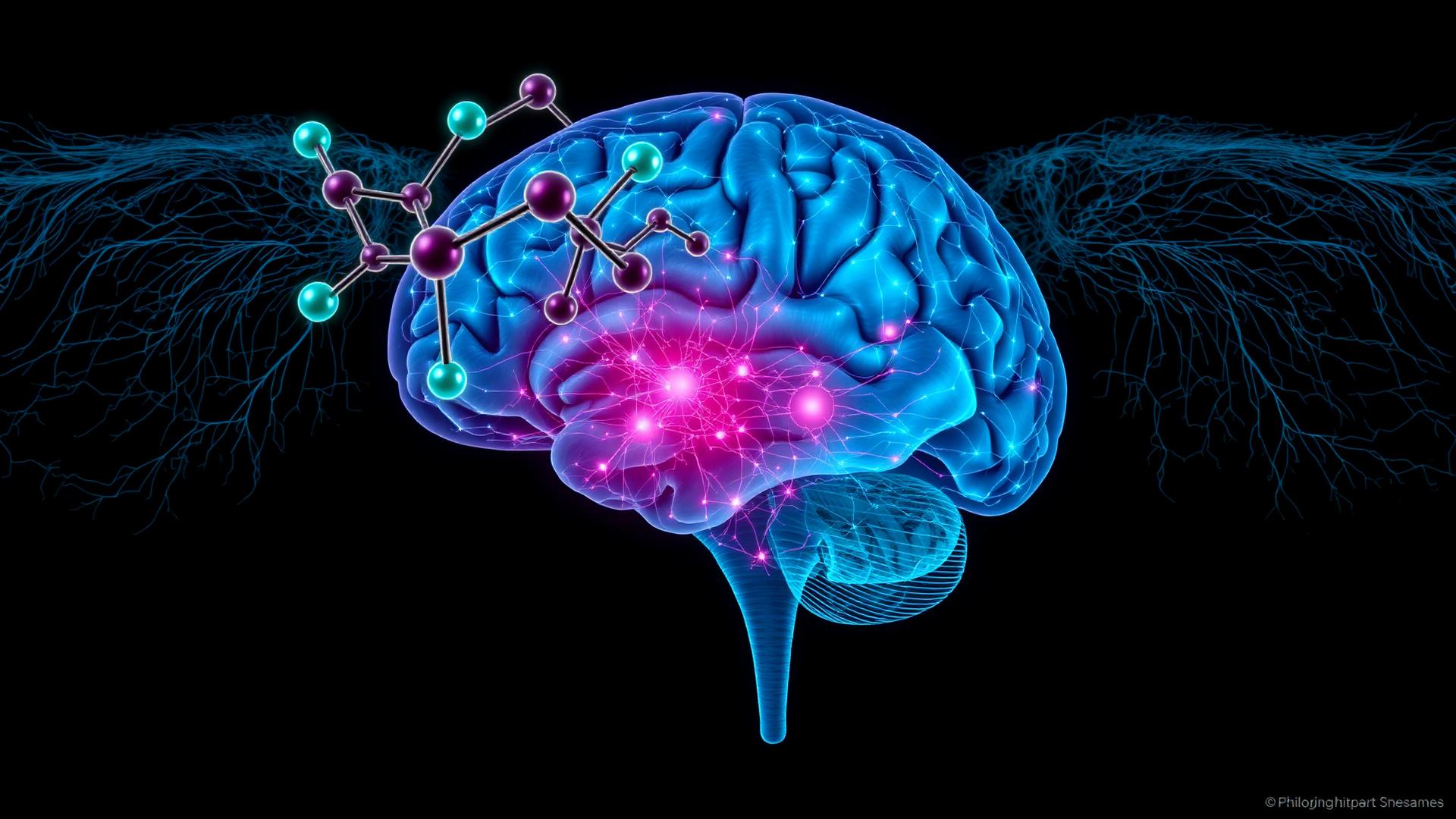
Psychedelic Medicine and the Future of Brain Science
A comprehensive, evidence-based overview of the psychedelic renaissance — how psilocybin, ketamine, and MDMA-assisted therapy are reshaping psychiatry, what the neuroscience actually shows, and where the field is heading next.
Read article

Music & Neuroscience · 12 min
Music in Psychedelic Therapy: From Set and Setting to Therapeutic Variable
How carefully curated music shapes outcomes in psilocybin, ketamine, and MDMA sessions — and why modern protocols treat playlists as part of the treatment, not the décor.
Read article
Neuroimaging · 11 min
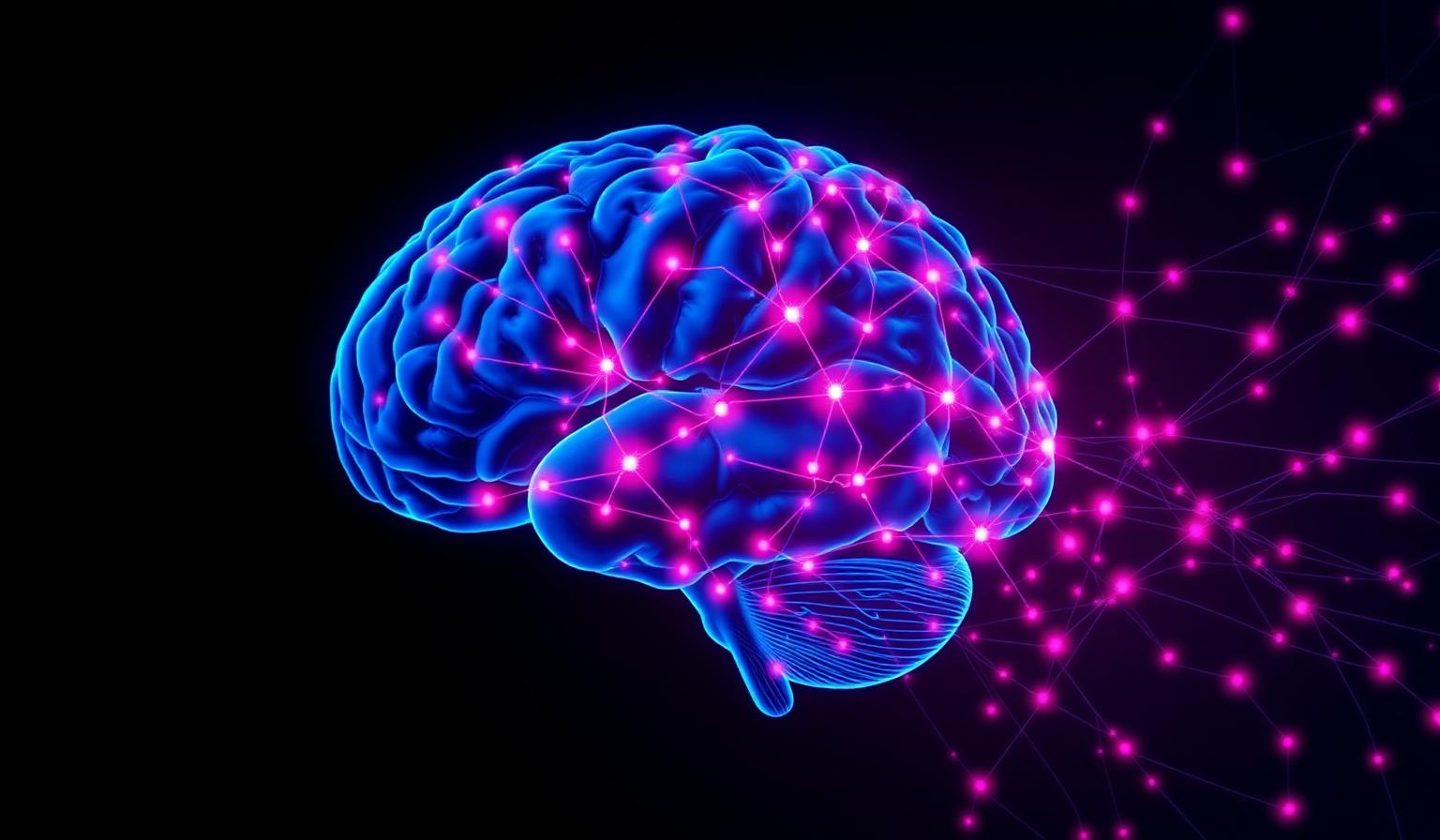
Psilocybin and Brain Connectivity: What the Imaging Shows
fMRI and EEG studies repeatedly find the same signature under psilocybin: a relaxed Default Mode Network and a brain that is, briefly, more globally connected.
Read article
Pharmacology · 11 min
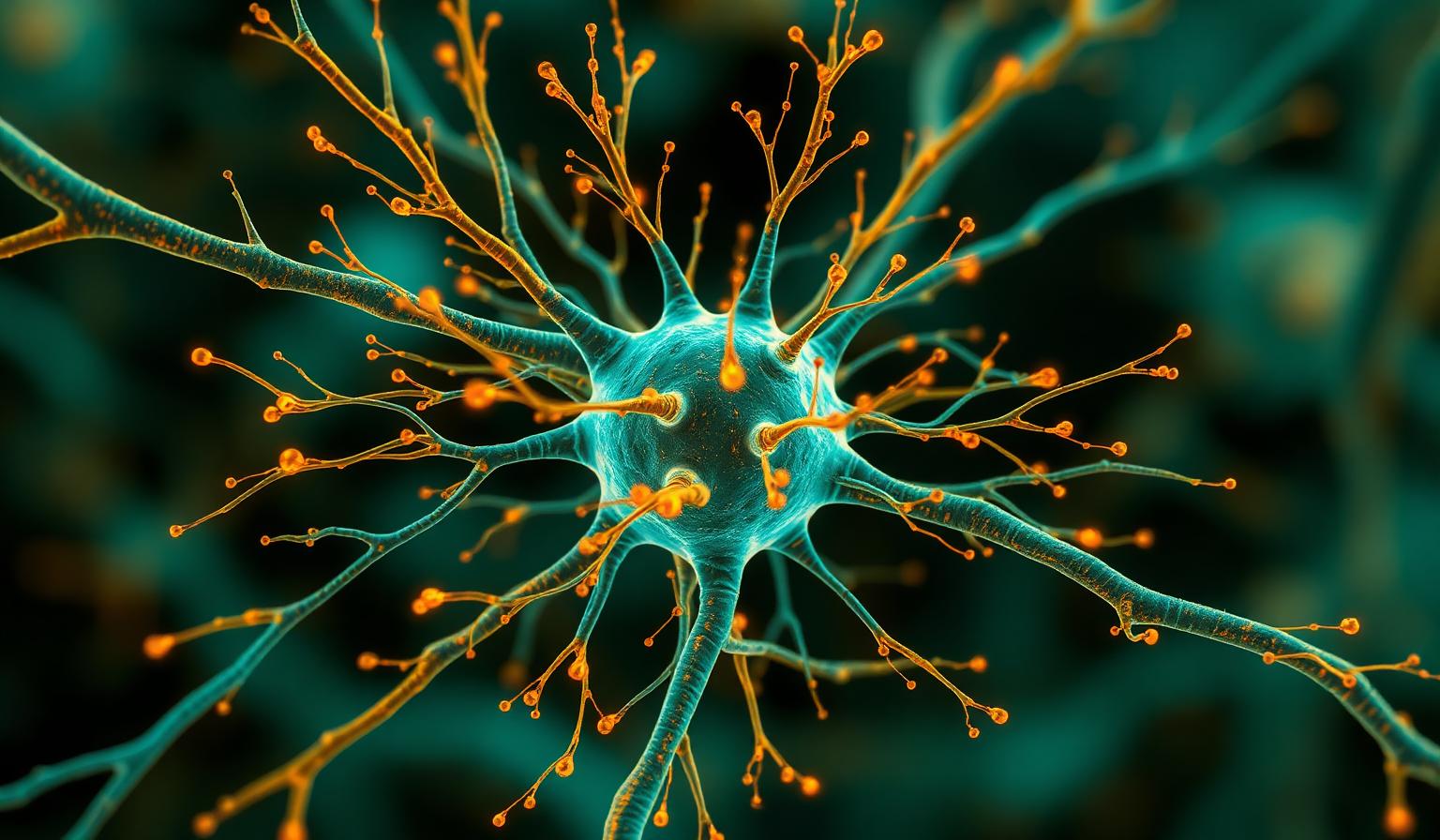
Ketamine and Rapid Neuroplasticity: A Different Mechanism
Ketamine does not look like a classic psychedelic in the brain — but it produces the fastest and most reliable antidepressant effect modern psychiatry has on hand. Synaptic plasticity is the leading explanation.
Read article
Evidence Check · 9 min
Binaural Beats: What the Evidence Actually Supports
Binaural beats are a real perceptual phenomenon. Whether they meaningfully change cognition, mood, or brain state is a much narrower claim than the marketing implies.
Read article
Sound & Brain · 10 min
Sound, Emotion, and the Limbic Brain
Why music and sound move us at all — and what neuroscience has worked out about the circuits that translate auditory patterns into feeling.
Read article
Neurotechnology · 11 min
Neurotechnology Meets Psychedelics: EEG, Neurofeedback, and Closed-Loop Therapy
How brain-computer interfaces, EEG biomarkers, and neurofeedback are being explored as ways to measure — and eventually personalize — psychedelic-assisted therapy.
Read article
AI & Sound · 9 min
AI-Personalized Music for Brain States: Promise and Pitfalls
Generative models can now produce endless, personalized music in real time. The science of whether such music actually shifts brain state in useful ways is much earlier than the product cycle suggests.
Read article
Consciousness Research · 12 min
Consciousness and Altered States: What Theory Can and Cannot Say
Global Workspace, Integrated Information, and predictive processing each offer a different account of consciousness — and each makes different predictions about psychedelics, meditation, and sleep.
Read article
Immersive Tech · 10 min
Virtual Reality in Mental Health and Psychedelic-Adjacent Therapy
VR is the most rigorously studied immersive technology in mental health. It has real evidence in phobias and PTSD — and is being explored as an environment for psychedelic and consciousness-related work.
Read article
Brain, Society & Economy · 10 min
The Brain Economy: Why Neuroscience Is Becoming Strategic
Brain health is rapidly becoming a defining issue for productivity, healthcare cost, national competitiveness, and the next generation of consumer technology. The 'brain economy' is no longer a metaphor.
Read article
Frequently asked questions
Is psychedelic-assisted therapy clinically approved?
+
Ketamine and esketamine are FDA-approved for treatment-resistant depression. Psilocybin and MDMA-assisted therapy remain investigational in the US as of 2026, with multiple Phase 3 trials completed; Australia approved MDMA and psilocybin for limited clinical use in 2023. Always consult a licensed clinician — these compounds carry real risks outside supervised protocols.
How do psychedelics change the brain?
+
Classic psychedelics (psilocybin, LSD, DMT) act primarily on serotonin 5-HT2A receptors, leading to transient reductions in Default Mode Network integrity, increased between-network connectivity, and elevated neural entropy. Animal studies and some human imaging suggest dendritic spine growth and enhanced plasticity windows lasting days to weeks.
Do binaural beats really alter brainwaves?
+
Some studies show modest EEG entrainment and subjective state changes, but effects are inconsistent and often small. They are not a substitute for evidence-based interventions for anxiety, insomnia, or attention disorders.
What is the Default Mode Network and why does it matter here?
+
The Default Mode Network (DMN) is a set of brain regions active during self-referential thought, rumination, and mind-wandering. Overactivity is associated with depression and anxiety. Psychedelics, meditation, and certain music-induced states all reduce DMN dominance — a shared signature researchers are actively investigating.
Are neurotechnologies like BCIs being used with psychedelic therapy?
+
Investigational protocols are combining EEG biomarkers, neurofeedback, and immersive VR with psychedelic sessions to personalize set, setting, and dose timing. These approaches are early-stage and not standard of care.
Further reading & sources
Psilocybin for depression
NIH National Institute of Mental Health
Ketamine for treatment-resistant depression
American Psychiatric Association
MDMA-assisted therapy trials
MAPS Public Benefit Corporation
Default Mode Network and psychedelics
Nature Reviews Neuroscience
Music-based interventions
Cochrane Reviews
Consciousness research overview
NIH National Library of Medicine
Sponsor this work
BRAINMATTER is independent and reader-supported. Everything here stays free, ad-light, and open to everyone. A one-time sponsorship covers research time, editorial review, and hosting so we can keep publishing without paywalls.
Explore the BRAINMATTER pillars
Authoritative cornerstone hubs across human intelligence, AI, neurotechnology, and the brain economy. Each link goes to a pillar with long-form explainers, sources, and FAQs.
The Future of Human Intelligence
Flagship pillar on cognitive neuroscience, neuroplasticity, and the next 25 years of the human mind.
Human intelligence · Neuroplasticity · Brain capital
Human Intelligence & Cognitive Neuroscience
How the brain learns, remembers, reasons, and feels — from working memory to consciousness.
Cognitive neuroscience · Memory · Consciousness
Artificial Intelligence & NeuroAI
Foundation models, transformers, multimodal systems, and brain-inspired AI architectures.
AI · NeuroAI · Foundation models
Artificial General Intelligence (AGI)
Definitions, benchmarks, timelines, and the open scientific problems on the road to AGI.
AGI · Superintelligence · Scaling laws
Neurotechnology & Brain–Computer Interfaces
BCIs, neural implants, neuromodulation, and the engineering of human cognition.
Neurotechnology · BCI · Neural implants
Human–AI Collaboration & Cognitive Enhancement
How humans and intelligent systems augment each other's reasoning, creativity, and decision-making.
Human-AI collaboration · Cognitive enhancement
Neurodivergence & Brain Health
Autism, ADHD, dyslexia, and the neuroscience of cognitive diversity and lifelong brain health.
Neurodivergence · Brain health · Neurodiversity
AI Ethics, Safety & Alignment
Bias, privacy, misinformation, AI safety, and governance of intelligent systems.
AI ethics · Alignment · Governance
Future of Humanity & the Brain Economy
Long-horizon scenarios for the brain economy, post-AGI society, and civilizational risk.
Brain economy · Post-AGI · Long-termism
Intelligence Index — Human vs Machine
The definitive comparison of biological and artificial cognition across substrate, scale, and reasoning.
Intelligence index · Benchmarks · Comparative cognition
Frontier AI & Neuroscience Labs
Deep profiles of the research organizations defining the next era of intelligence.
OpenAI · Anthropic · DeepMind · Neuralink
Continue exploring
Neurotechnology
Brain-computer interfaces, neural implants, and the convergence of biology and silicon.
Human Intelligence
The biology, psychology, and architecture of human cognition - from neurons to consciousness.
Future of Humanity
Long-term scenarios for civilization, cognition, and what it means to be human in an AI era.