Personality, Temperament & the Brain
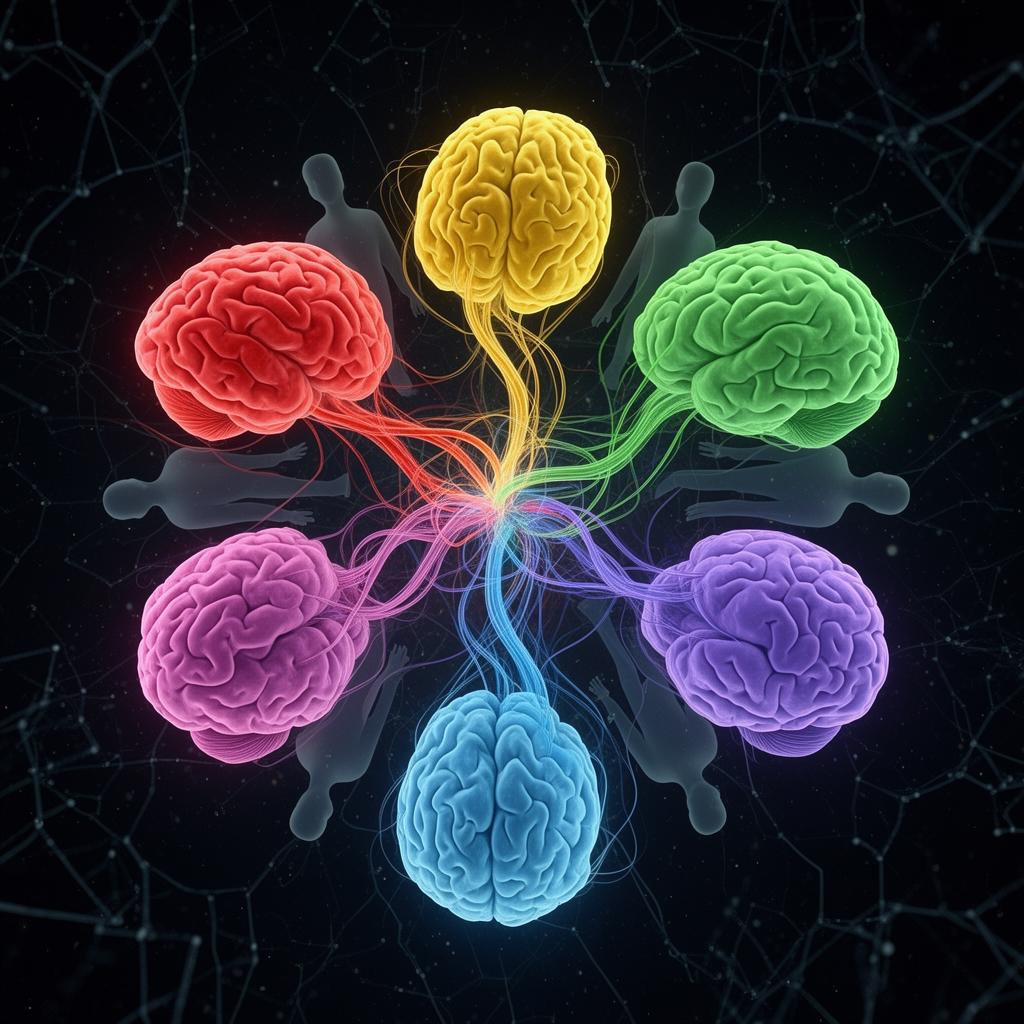
Personality is not merely psychology. It has a neuroscience — brain structure, connectivity, neurotransmitters, and genetics that make each mind unique.
Key takeaways
- The Big Five personality traits — openness, conscientiousness, extraversion, agreeableness, neuroticism — have distinct neural correlates.
- Extraversion is linked to dopaminergic reward sensitivity; neuroticism to amygdala reactivity.
- Personality is about 40–60% heritable, with the remainder shaped by environment and experience.
- Personality can change across the lifespan — and the brain changes with it.
What this hub covers
Why are some people bold while others cautious? Why do some thrive in chaos while others need order? The neuroscience of personality reveals how brain structure, functional connectivity, and neurochemistry give rise to the enduring patterns of thought, feeling, and behavior that define us. This pillar covers the Big Five traits, their neural substrates, temperament, and the science of personality change.
Long-form articles
Sourced, evidence-based explainers. New entries added regularly.
Big Five · Structure · Connectivity · 8 min
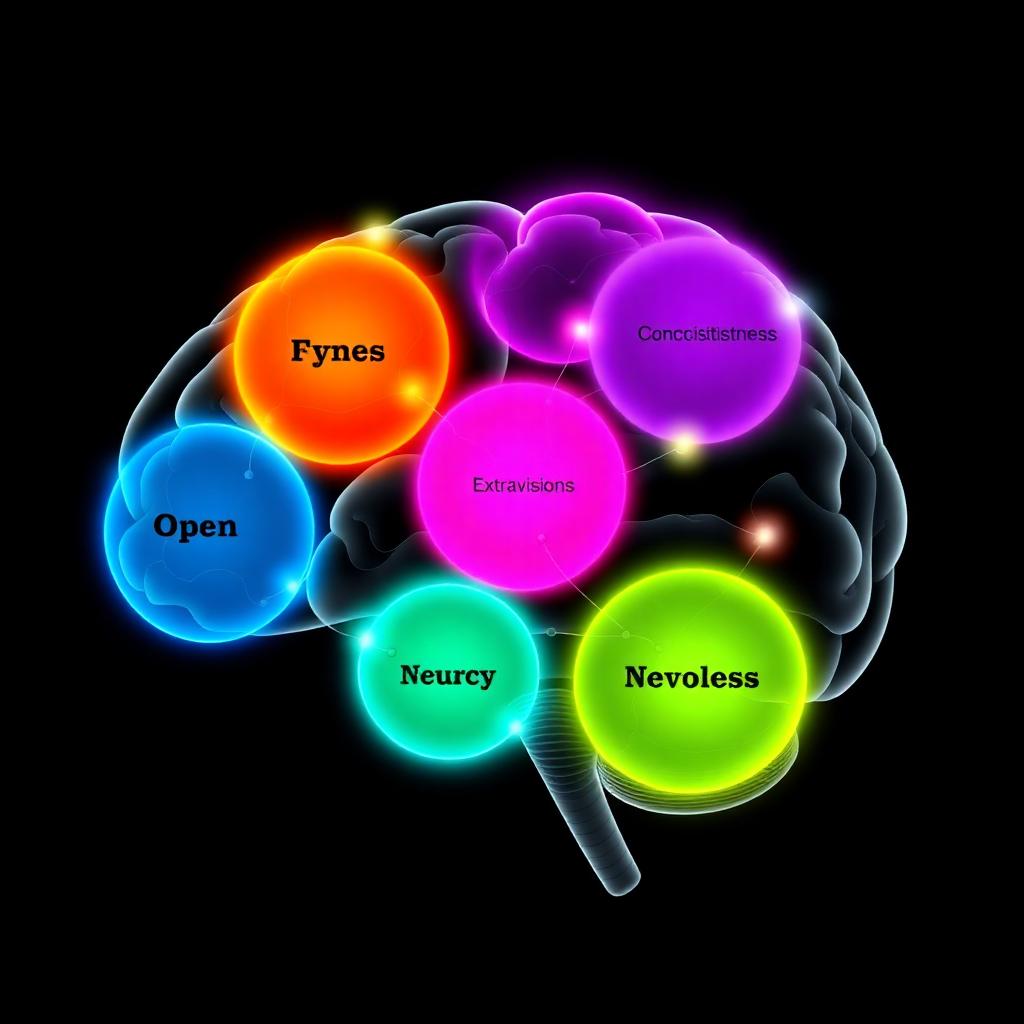
The Big Five and Brain Structure
The five major dimensions of personality — openness, conscientiousness, extraversion, agreeableness, and neuroticism — each have identifiable neural signatures.
Read article
Neuroticism · Amygdala · Emotion · 8 min
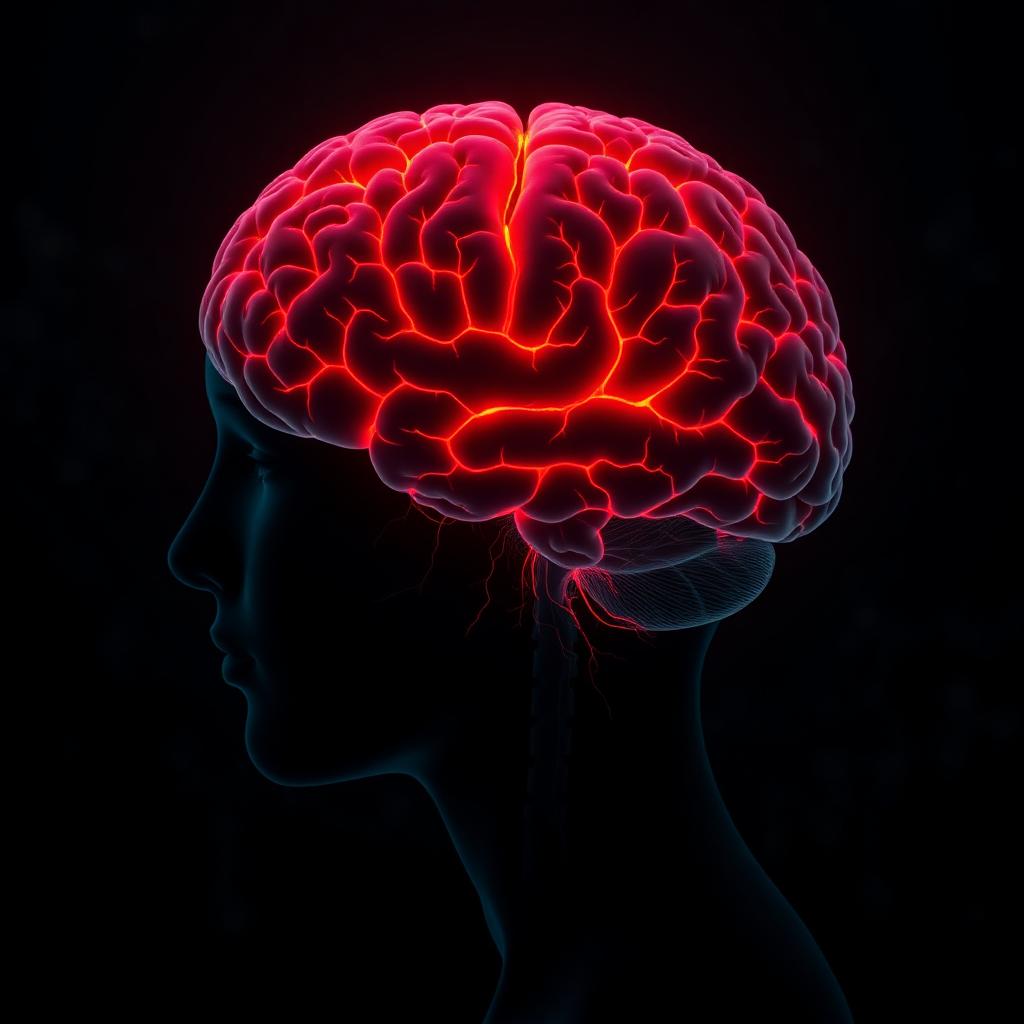
Neuroticism and the Amygdala: The Brain of Worry
Why do some people experience more anxiety, sadness, and emotional instability? The amygdala holds important clues.
Read article
Extraversion · Dopamine · Reward · 8 min
Extraversion and the Dopamine Reward System
Extraverts don't just like people. Their brains process rewards differently — with dopamine as the key chemical.
Read article
Openness · Creativity · Imagination · 8 min
Openness to Experience and Creativity Networks
People high in openness see more possibilities, make more connections, and experience reality more vividly. Their brains reflect this.
Read article
Conscientiousness · Control · Prefrontal · 8 min
Conscientiousness and Prefrontal Control
The ability to set goals, resist impulses, and follow through is rooted in prefrontal brain systems that vary between individuals.
Read article
Agreeableness · Social Brain · Empathy · 8 min
Agreeableness and Social Brain Circuits
Why are some people naturally more cooperative, trusting, and compassionate? The answer lies in social brain circuits that prioritize connection.
Read article
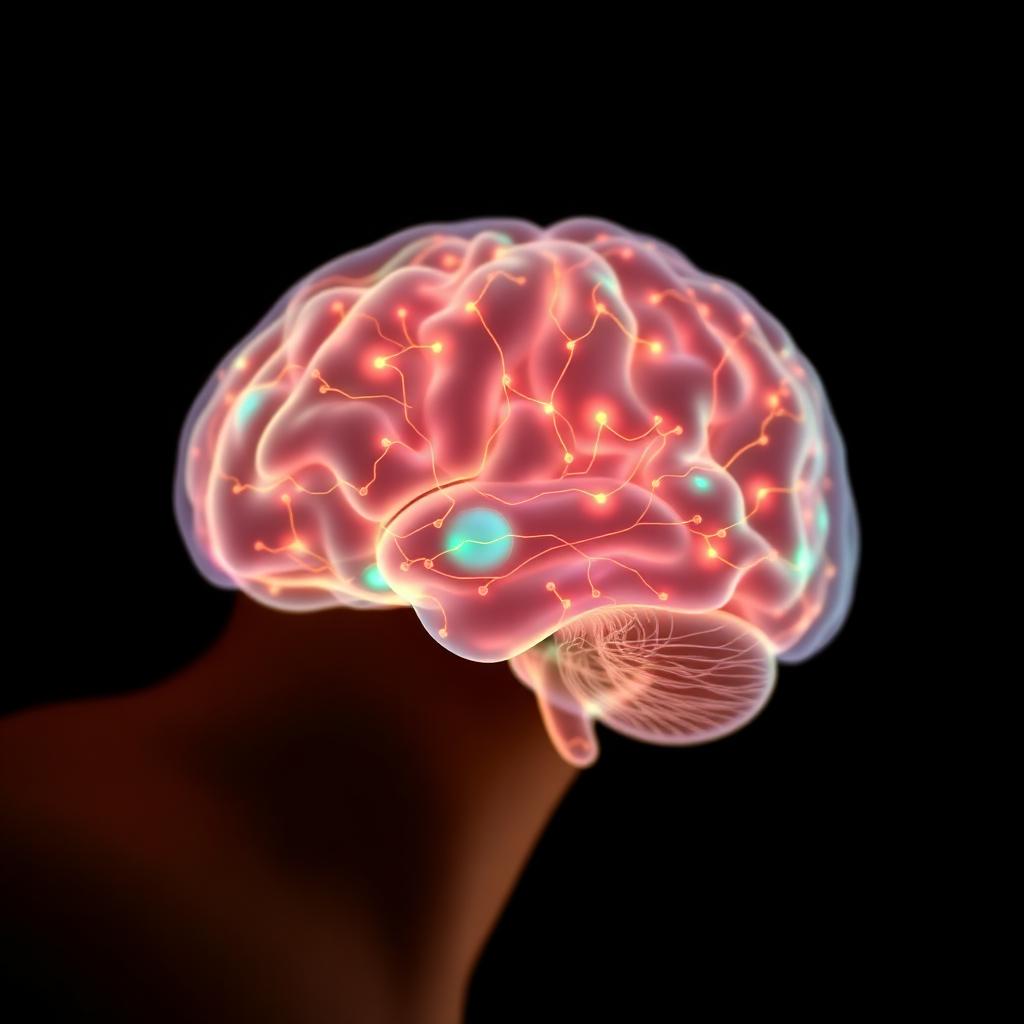
Temperament · Infancy · Development · 8 min
Temperament and Early Brain Development
Personality begins at birth. Temperament — the biologically based foundation of personality — is visible in the first weeks of life.
Read article
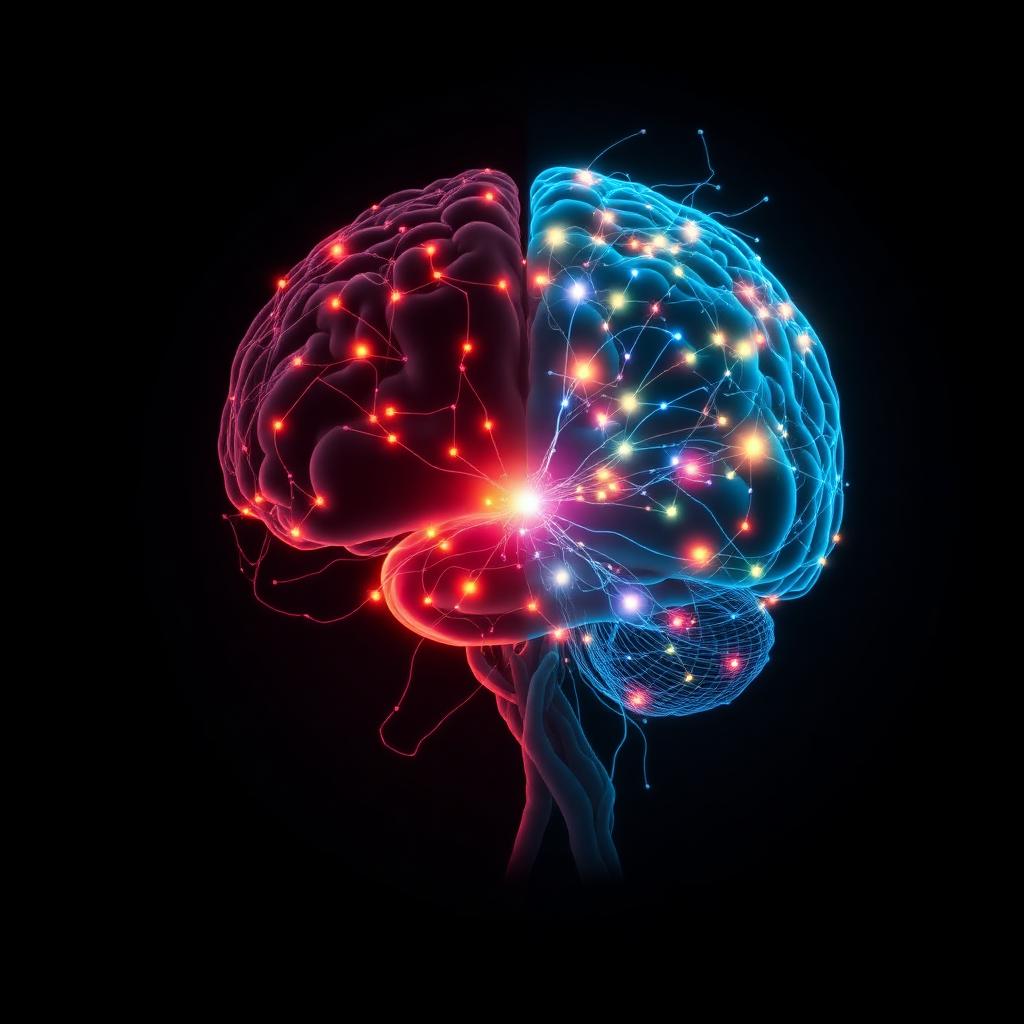
Change · Neuroplasticity · Therapy · 8 min
Can Personality Change? The Neuroscience of Becoming Someone New
Personality is not destiny. It changes across the lifespan — and the brain changes with it.
Read article
Frequently asked questions
Is personality in the brain?
+
Yes. Personality traits are associated with consistent differences in brain structure, connectivity, and neurotransmitter function. However, personality emerges from the interaction of biology and experience, not biology alone.
Can personality change?
+
Yes. Personality changes gradually across the lifespan, and can change more rapidly through major life events, therapy, and intentional effort. The brain remains plastic enough to support these changes.
What is the most heritable trait?
+
Openness to experience shows the highest heritability estimates (~60%), while agreeableness shows the lowest (~35–40%). All traits are influenced by both genes and environment.
Do personality traits predict health?
+
Yes. Conscientiousness is one of the best predictors of longevity. Neuroticism predicts depression and anxiety risk. Personality is increasingly recognized as a health variable.
Further reading & sources
Sponsor this work
BRAINMATTER is independent and reader-supported. Everything here stays free, ad-light, and open to everyone. A one-time sponsorship covers research time, editorial review, and hosting so we can keep publishing without paywalls.
Explore the BRAINMATTER pillars
Authoritative cornerstone hubs across human intelligence, AI, neurotechnology, and the brain economy. Each link goes to a pillar with long-form explainers, sources, and FAQs.
The Future of Human Intelligence
Flagship pillar on cognitive neuroscience, neuroplasticity, and the next 25 years of the human mind.
Human intelligence · Neuroplasticity · Brain capital
Human Intelligence & Cognitive Neuroscience
How the brain learns, remembers, reasons, and feels — from working memory to consciousness.
Cognitive neuroscience · Memory · Consciousness
Artificial Intelligence & NeuroAI
Foundation models, transformers, multimodal systems, and brain-inspired AI architectures.
AI · NeuroAI · Foundation models
Artificial General Intelligence (AGI)
Definitions, benchmarks, timelines, and the open scientific problems on the road to AGI.
AGI · Superintelligence · Scaling laws
Neurotechnology & Brain–Computer Interfaces
BCIs, neural implants, neuromodulation, and the engineering of human cognition.
Neurotechnology · BCI · Neural implants
Human–AI Collaboration & Cognitive Enhancement
How humans and intelligent systems augment each other's reasoning, creativity, and decision-making.
Human-AI collaboration · Cognitive enhancement
Neurodivergence & Brain Health
Autism, ADHD, dyslexia, and the neuroscience of cognitive diversity and lifelong brain health.
Neurodivergence · Brain health · Neurodiversity
AI Ethics, Safety & Alignment
Bias, privacy, misinformation, AI safety, and governance of intelligent systems.
AI ethics · Alignment · Governance
Future of Humanity & the Brain Economy
Long-horizon scenarios for the brain economy, post-AGI society, and civilizational risk.
Brain economy · Post-AGI · Long-termism
Intelligence Index — Human vs Machine
The definitive comparison of biological and artificial cognition across substrate, scale, and reasoning.
Intelligence index · Benchmarks · Comparative cognition
Frontier AI & Neuroscience Labs
Deep profiles of the research organizations defining the next era of intelligence.
OpenAI · Anthropic · DeepMind · Neuralink