Autism, ADHD & Neurodiversity
An evidence-based authority on the neuroscience of autism, ADHD, dyslexia, and the broader neurodiversity paradigm — what the research actually shows, beyond stereotypes and stigma.
Key takeaways
- Autism and ADHD are highly heritable, lifelong, and biologically distinct from each other — though they frequently co-occur.
- The neurodiversity paradigm reframes these as variations rather than deficits, while still recognizing genuine support needs.
- Executive function and sensory processing differences explain many of the challenges of daily life better than IQ or motivation.
- Evidence-based supports include skills coaching, accommodations, medication for ADHD, and environmental design — not 'cures'.
- Strengths-based research is increasingly recognized as scientifically rigorous, not just feel-good framing.
What this hub covers
Neurodivergent brains are not broken neurotypical brains. Modern neuroscience increasingly describes autism, ADHD, dyslexia, and related conditions as variations in brain architecture and processing — with measurable trade-offs, real challenges, and distinctive strengths. This hub synthesizes the peer-reviewed evidence on the underlying biology, the lived experience, and the interventions that actually help.
Long-form articles
Sourced, evidence-based explainers. New entries added regularly.
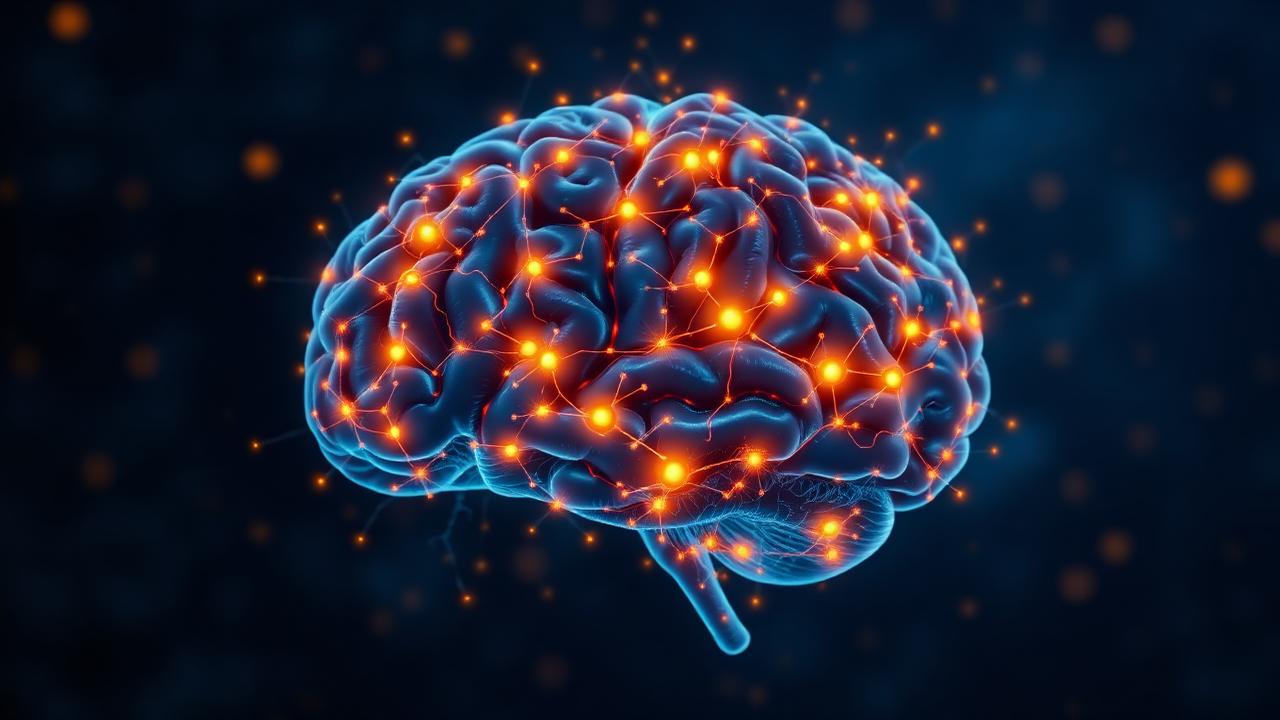
Autism · Neuroscience · 10 min
The Autistic Brain: What Neuroscience Actually Shows
Autism is associated with measurable differences in connectivity, sensory processing, and information weighting — not a single 'autism center' in the brain.
Read article
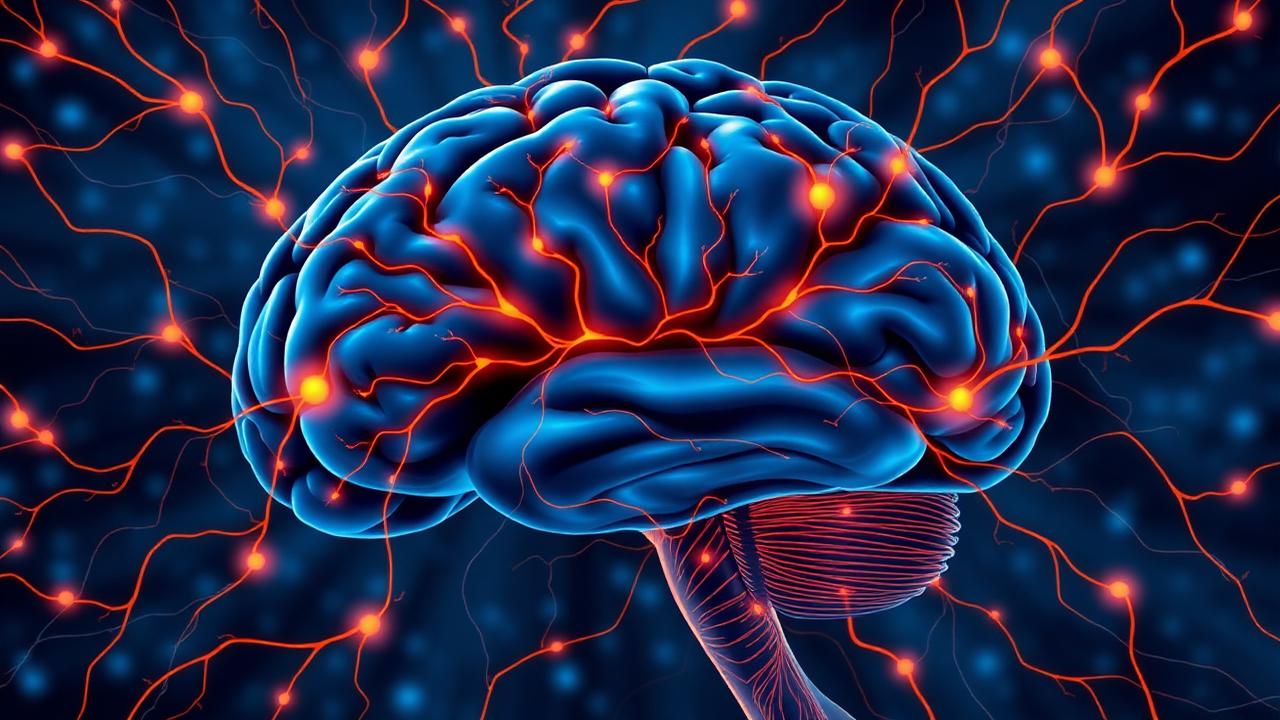
ADHD · Neuroscience · 10 min
The ADHD Brain: Dopamine, Networks, and Attention
ADHD is a real, biologically grounded condition involving differences in dopamine signaling, executive control networks, and the maturation of prefrontal systems.
Read article
Frameworks · Society · 9 min
The Neurodiversity Paradigm: What It Is and What It Isn't
The neurodiversity framework reframes brain variation as natural human diversity. Understanding what it actually claims clarifies a debate that often runs on caricatures.
Read article
Cognition · Mechanism · 9 min
Executive Function: The Cognitive System Behind Daily Life
Executive function — the prefrontal-cortex-driven system that plans, inhibits, and adapts — explains many of the challenges of ADHD, autism, and other conditions better than motivation or intelligence do.
Read article
Sensory · Neuroscience · 8 min
Sensory Processing in Autism and Beyond
Sensory processing differences are core, not peripheral, in autism — and increasingly recognized across ADHD, anxiety, and trauma. The neuroscience is concrete.
Read article
Dyslexia · Neuroscience · 8 min
Dyslexia: A Phonological Difference, Not a Vision Problem
Dyslexia is a neurological difference in how the brain processes the sound structure of language — with characteristic imaging signatures and well-evidenced interventions.
Read article
Strengths · Autism · 8 min
Autistic Cognitive Strengths: What the Research Shows
Beyond the deficit framing, peer-reviewed research documents specific cognitive strengths in autism — pattern recognition, detail focus, systemizing, and ethical consistency among them.
Read article
Strengths · ADHD · 8 min
ADHD Strengths and Challenges: A Realistic Picture
ADHD is real, often disabling, and also associated with documented strengths — creativity, divergent thinking, hyperfocus, and entrepreneurial drive among them.
Read article
Frequently asked questions
Is neurodiversity a scientific concept or a political one?
+
Both. The biological reality of brain variation is well-documented in neuroimaging and genetics. The paradigm — treating that variation as natural human diversity — is a framing choice supported by a growing share of clinicians and researchers.
Are autism and ADHD increasing?
+
Diagnosed prevalence has increased substantially, driven mostly by broader diagnostic criteria, better recognition (especially in girls and adults), and reduced stigma. Whether underlying prevalence has changed is debated.
Can adults be diagnosed?
+
Yes. Late diagnosis of autism and ADHD in adults is increasingly common and validated by structured clinical assessment.
Do neurodivergent people have real strengths?
+
Peer-reviewed work documents specific cognitive strengths — pattern recognition and detail focus in autism, divergent thinking and hyperfocus in ADHD — alongside genuine challenges. The picture is genuinely mixed, not romanticized.
Further reading & sources
Sponsor this work
BRAINMATTER is independent and reader-supported. Everything here stays free, ad-light, and open to everyone. A one-time sponsorship covers research time, editorial review, and hosting so we can keep publishing without paywalls.
Explore the BRAINMATTER pillars
Authoritative cornerstone hubs across human intelligence, AI, neurotechnology, and the brain economy. Each link goes to a pillar with long-form explainers, sources, and FAQs.
The Future of Human Intelligence
Flagship pillar on cognitive neuroscience, neuroplasticity, and the next 25 years of the human mind.
Human intelligence · Neuroplasticity · Brain capital
Human Intelligence & Cognitive Neuroscience
How the brain learns, remembers, reasons, and feels — from working memory to consciousness.
Cognitive neuroscience · Memory · Consciousness
Artificial Intelligence & NeuroAI
Foundation models, transformers, multimodal systems, and brain-inspired AI architectures.
AI · NeuroAI · Foundation models
Artificial General Intelligence (AGI)
Definitions, benchmarks, timelines, and the open scientific problems on the road to AGI.
AGI · Superintelligence · Scaling laws
Neurotechnology & Brain–Computer Interfaces
BCIs, neural implants, neuromodulation, and the engineering of human cognition.
Neurotechnology · BCI · Neural implants
Human–AI Collaboration & Cognitive Enhancement
How humans and intelligent systems augment each other's reasoning, creativity, and decision-making.
Human-AI collaboration · Cognitive enhancement
Neurodivergence & Brain Health
Autism, ADHD, dyslexia, and the neuroscience of cognitive diversity and lifelong brain health.
Neurodivergence · Brain health · Neurodiversity
AI Ethics, Safety & Alignment
Bias, privacy, misinformation, AI safety, and governance of intelligent systems.
AI ethics · Alignment · Governance
Future of Humanity & the Brain Economy
Long-horizon scenarios for the brain economy, post-AGI society, and civilizational risk.
Brain economy · Post-AGI · Long-termism
Intelligence Index — Human vs Machine
The definitive comparison of biological and artificial cognition across substrate, scale, and reasoning.
Intelligence index · Benchmarks · Comparative cognition
Frontier AI & Neuroscience Labs
Deep profiles of the research organizations defining the next era of intelligence.
OpenAI · Anthropic · DeepMind · Neuralink