
Movement, Motor Control & the Brain
An evidence-based hub on how the brain plans, executes, refines, and learns movement — from cortical motor maps to the cerebellum, basal ganglia, motor learning, Parkinson's disease, fine motor skill, and embodied cognition.
Key takeaways
- Motor control is distributed across cortex, cerebellum, basal ganglia, and spinal circuits.
- Skilled movement is learned and stored in neural patterns refined by feedback.
- Basal ganglia are central to habit formation and reward-driven action selection.
- Parkinson's disease reveals what happens when dopaminergic motor circuits fail.
- Embodied-cognition research suggests thought is grounded in motor and sensory systems.
What this hub covers
Every thought eventually becomes motion. This hub maps the brain systems that turn intention into action, refine skill across thousands of repetitions, and break down in movement disorders — and shows why cognition itself may be rooted in the body that the brain controls.
Long-form articles
Sourced, evidence-based explainers. New entries added regularly.
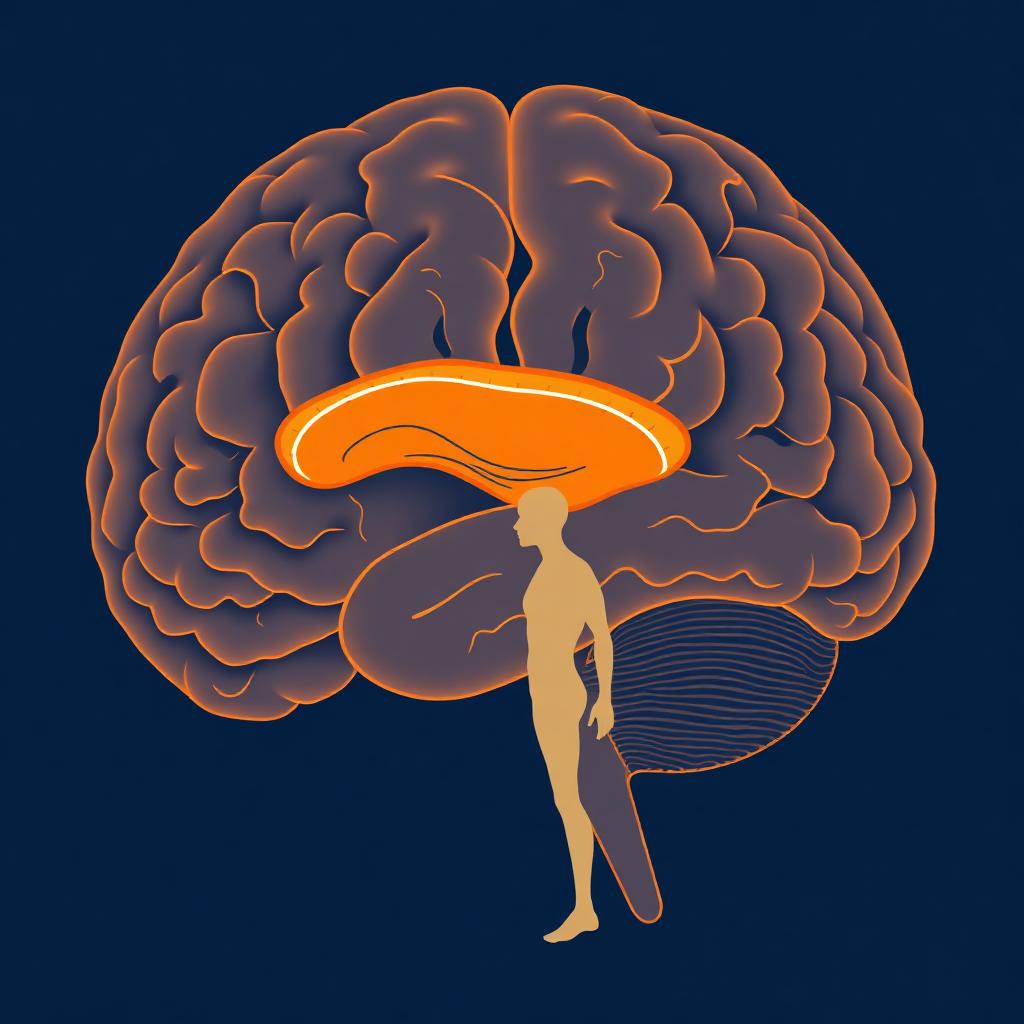
Motor Cortex · Neuroscience · 8 min
The Motor Cortex: How the Brain Drives Movement
Primary motor cortex and its neighbors orchestrate voluntary movement — but the famous 'homunculus' map is only the start of the story.
Read article
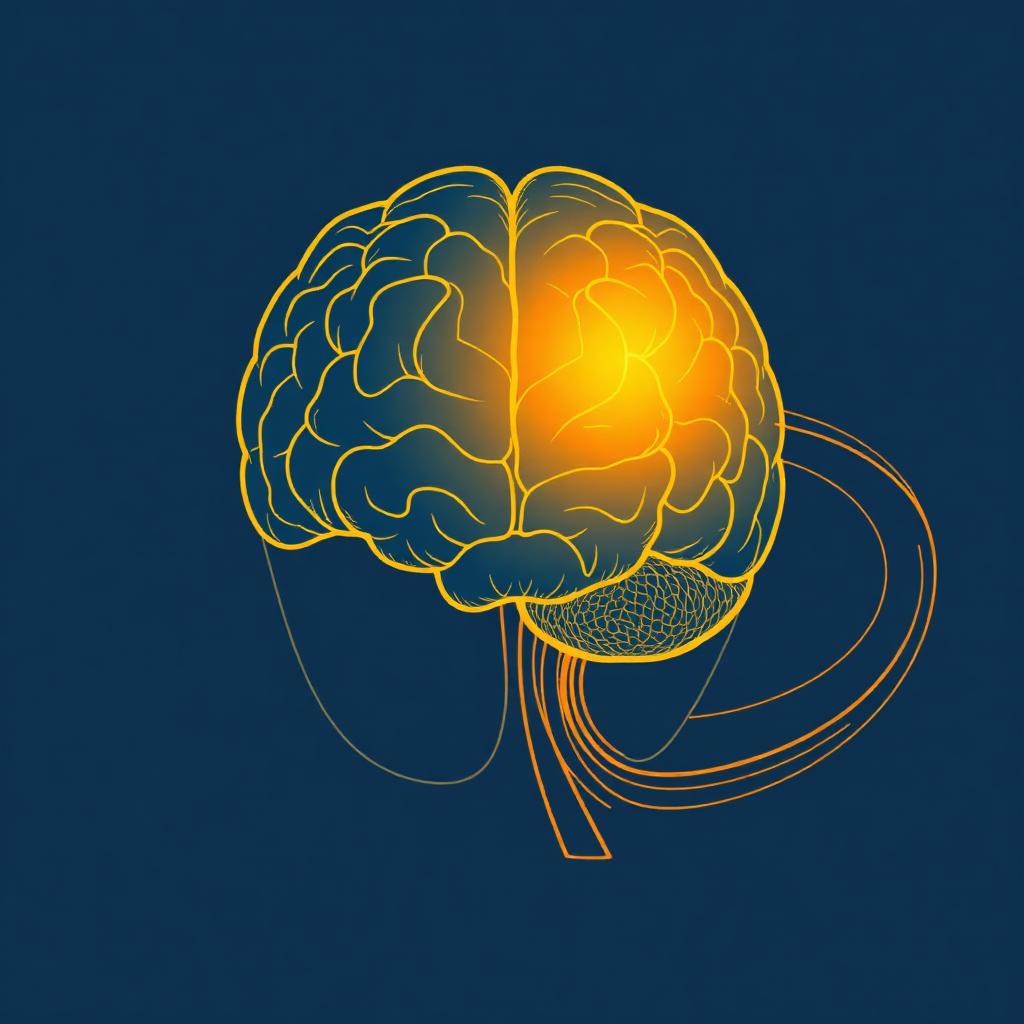
Cerebellum · Coordination · 8 min
The Cerebellum: Coordination, Timing, and Beyond
The 'little brain' at the back of the skull holds the majority of the brain's neurons — and does far more than coordinate movement.
Read article
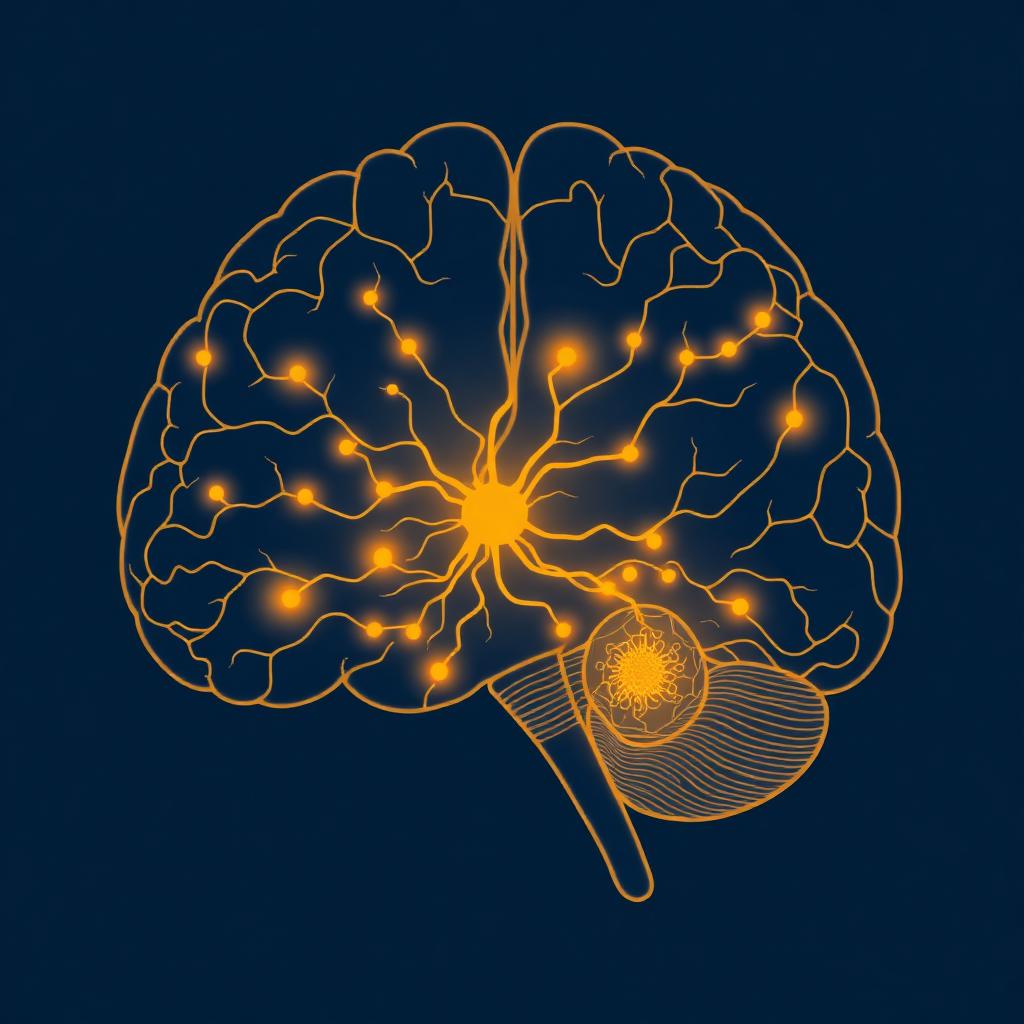
Basal Ganglia · Habit · 8 min
Basal Ganglia: Action Selection and Habit
Deep brain nuclei sift through possible actions, learn which ones pay off, and gradually turn deliberate behavior into habit.
Read article

Motor Learning · Skill · 9 min
Motor Learning: How Skill Gets Built
Riding a bike, playing an instrument, throwing a curveball — motor learning rewires the brain through structured repetition, feedback, and consolidation.
Read article
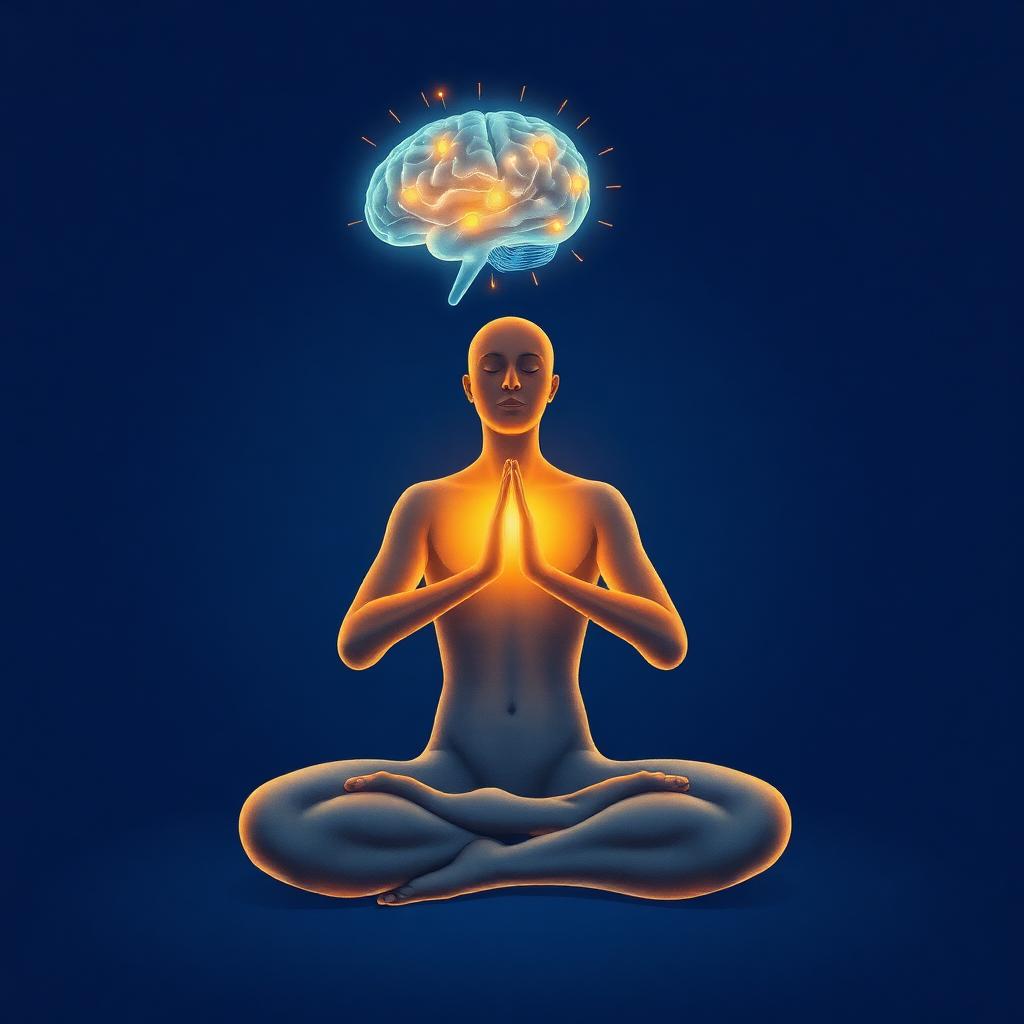
Motor Imagery · Mental Practice · 7 min
Motor Imagery and Mental Practice
Imagining a movement activates many of the same brain circuits as actually performing it — and the effect is strong enough to be a real training tool.
Read article
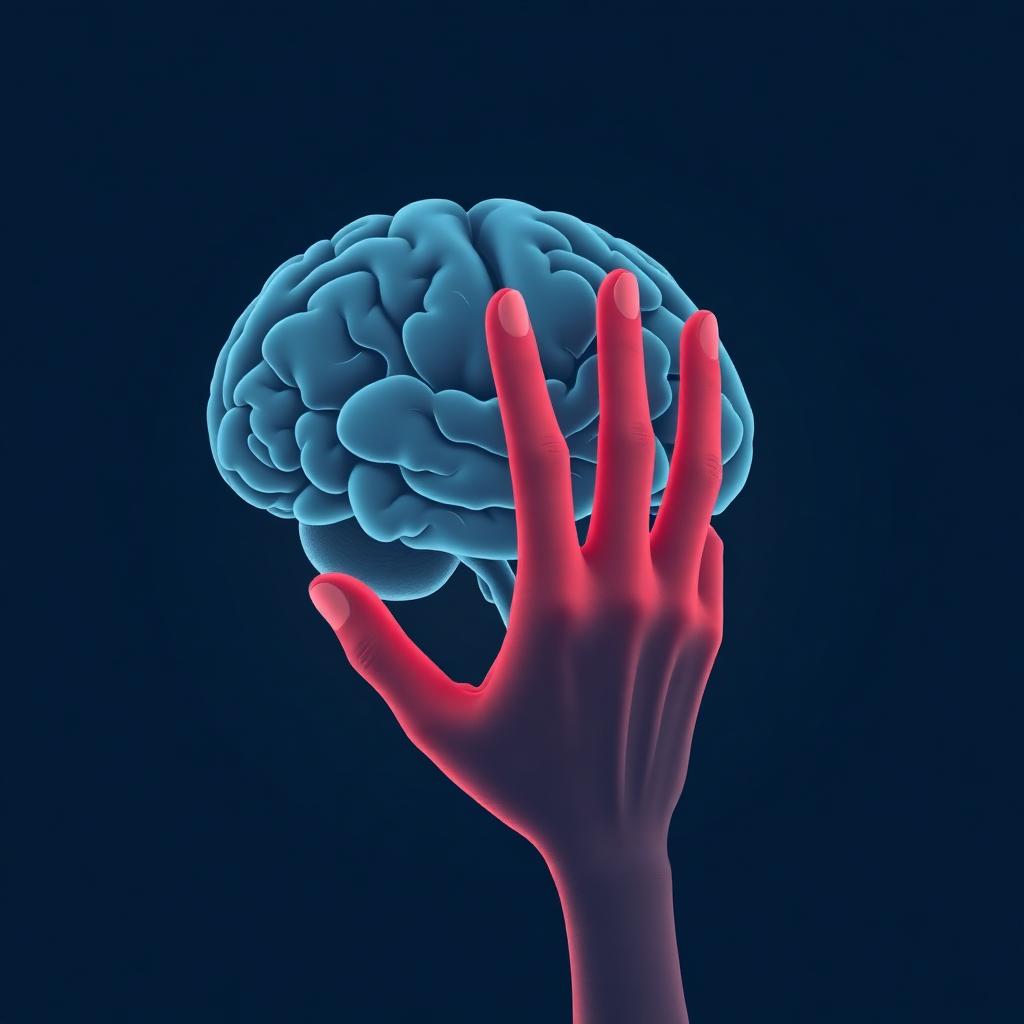
Parkinson's · Movement Disorders · 9 min
Parkinson's Disease and the Movement Brain
Parkinson's disease is a window into what dopamine and the basal ganglia normally do — and a frontier for neuromodulation and disease-modifying therapy.
Read article
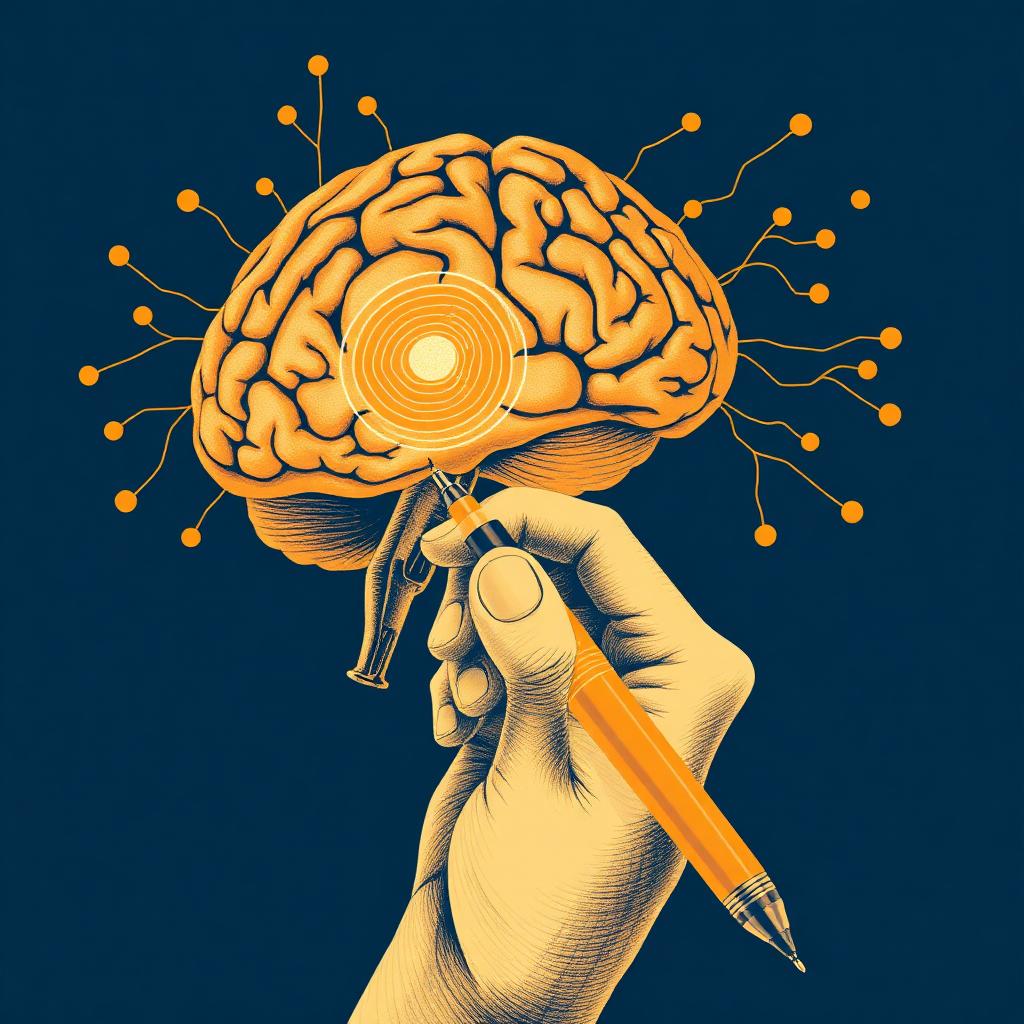
Fine Motor · Skill · 7 min
Fine Motor Skills and the Brain
Writing, surgery, music, and craft depend on precise hand and finger control — and on cortical maps that expand with sustained training.
Read article
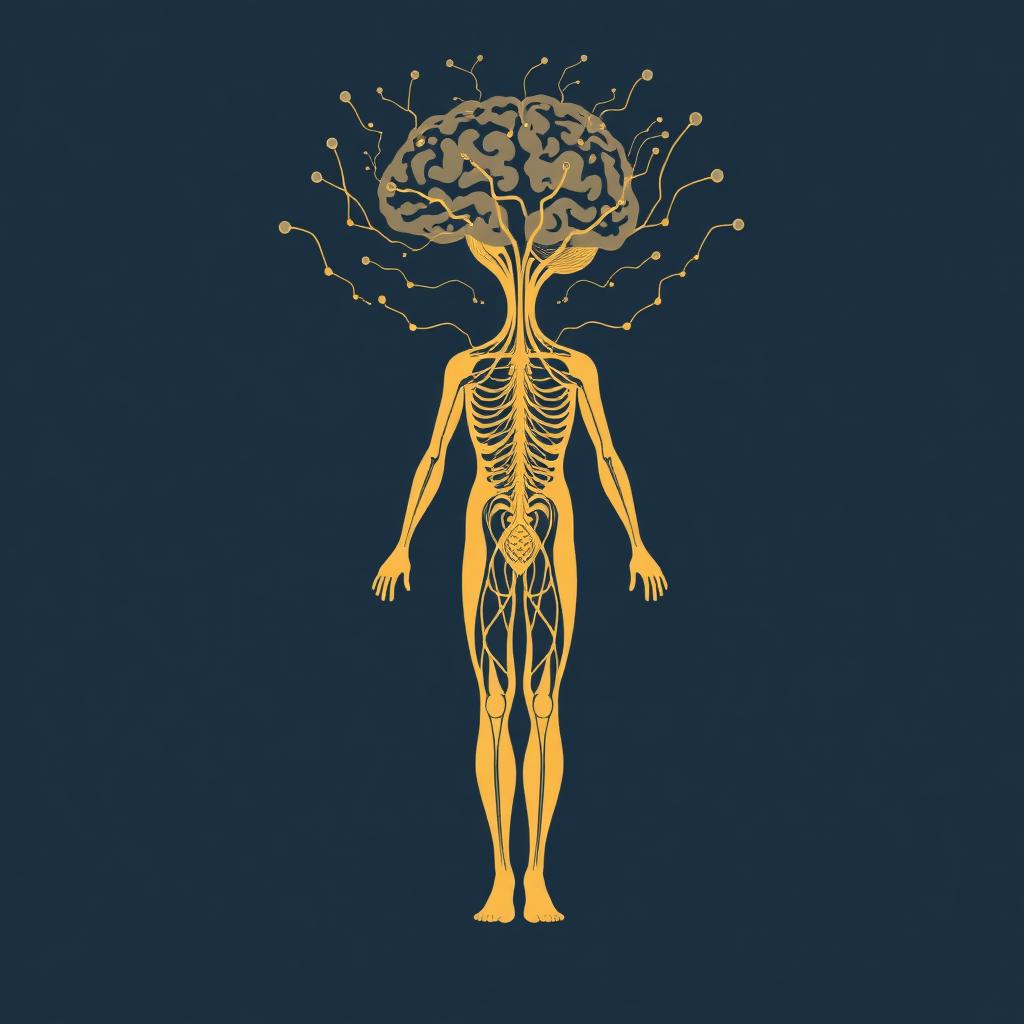
Embodiment · Cognitive Science · 8 min
Embodied Cognition: Why the Brain Needs a Body
Embodied-cognition research argues that thought is not abstract symbol-shuffling — it is grounded in the sensory and motor systems that connect brain to world.
Read article
Frequently asked questions
Is there one 'movement center' in the brain?
+
No — motor control is a coordinated effort across motor cortex, premotor areas, supplementary motor area, basal ganglia, cerebellum, brainstem, and spinal cord.
Why does practice make movement feel automatic?
+
Repetition shifts control from effortful cortical circuits toward more efficient subcortical and cerebellar pathways, freeing cognitive resources.
Can mental practice improve motor skill?
+
Yes — motor imagery recruits overlapping circuits with execution and can measurably improve performance when combined with physical practice.
Further reading & sources
Sponsor this work
BRAINMATTER is independent and reader-supported. Everything here stays free, ad-light, and open to everyone. A one-time sponsorship covers research time, editorial review, and hosting so we can keep publishing without paywalls.
Explore the BRAINMATTER pillars
Authoritative cornerstone hubs across human intelligence, AI, neurotechnology, and the brain economy. Each link goes to a pillar with long-form explainers, sources, and FAQs.
The Future of Human Intelligence
Flagship pillar on cognitive neuroscience, neuroplasticity, and the next 25 years of the human mind.
Human intelligence · Neuroplasticity · Brain capital
Human Intelligence & Cognitive Neuroscience
How the brain learns, remembers, reasons, and feels — from working memory to consciousness.
Cognitive neuroscience · Memory · Consciousness
Artificial Intelligence & NeuroAI
Foundation models, transformers, multimodal systems, and brain-inspired AI architectures.
AI · NeuroAI · Foundation models
Artificial General Intelligence (AGI)
Definitions, benchmarks, timelines, and the open scientific problems on the road to AGI.
AGI · Superintelligence · Scaling laws
Neurotechnology & Brain–Computer Interfaces
BCIs, neural implants, neuromodulation, and the engineering of human cognition.
Neurotechnology · BCI · Neural implants
Human–AI Collaboration & Cognitive Enhancement
How humans and intelligent systems augment each other's reasoning, creativity, and decision-making.
Human-AI collaboration · Cognitive enhancement
Neurodivergence & Brain Health
Autism, ADHD, dyslexia, and the neuroscience of cognitive diversity and lifelong brain health.
Neurodivergence · Brain health · Neurodiversity
AI Ethics, Safety & Alignment
Bias, privacy, misinformation, AI safety, and governance of intelligent systems.
AI ethics · Alignment · Governance
Future of Humanity & the Brain Economy
Long-horizon scenarios for the brain economy, post-AGI society, and civilizational risk.
Brain economy · Post-AGI · Long-termism
Intelligence Index — Human vs Machine
The definitive comparison of biological and artificial cognition across substrate, scale, and reasoning.
Intelligence index · Benchmarks · Comparative cognition
Frontier AI & Neuroscience Labs
Deep profiles of the research organizations defining the next era of intelligence.
OpenAI · Anthropic · DeepMind · Neuralink