Mental Health & Brain Science
An evidence-based authority on the neuroscience of depression, anxiety, trauma, stress, and the lifestyle interventions — sleep, exercise, mindfulness — with the strongest brain-level evidence.
Key takeaways
- Mental health conditions are brain conditions; the brain/mind distinction is increasingly artificial in modern neuroscience.
- Depression, anxiety, and PTSD have distinct but overlapping neural signatures.
- Sleep, exercise, and sunlight have effect sizes on mood comparable to first-line medications for many people.
- Psychedelic-assisted therapy is producing rigorous evidence for treatment-resistant depression and PTSD.
- Mindfulness produces measurable, reproducible brain changes — but the effect sizes are modest and context-dependent.
What this hub covers
Mental health is not separate from brain health. Depression, anxiety, PTSD, and chronic stress have measurable signatures in brain structure, function, and biochemistry — and the most effective interventions, both pharmacological and behavioral, change the brain in measurable ways. This hub synthesizes the neuroscience without pop-psychology shortcuts.
Long-form articles
Sourced, evidence-based explainers. New entries added regularly.
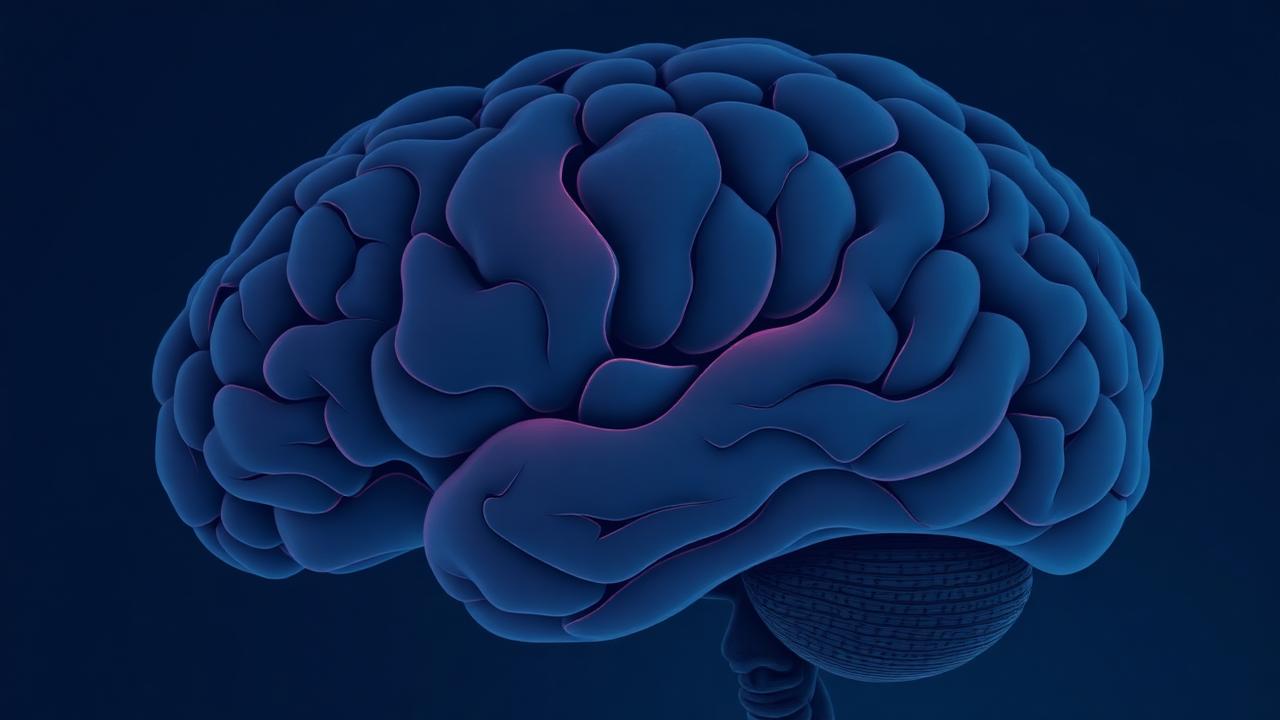
Depression · Neuroscience · 10 min
Depression and the Brain: What the Neuroscience Shows
Depression is associated with measurable changes in connectivity, neuroplasticity, and stress system regulation — well beyond the simplified 'chemical imbalance' story.
Read article
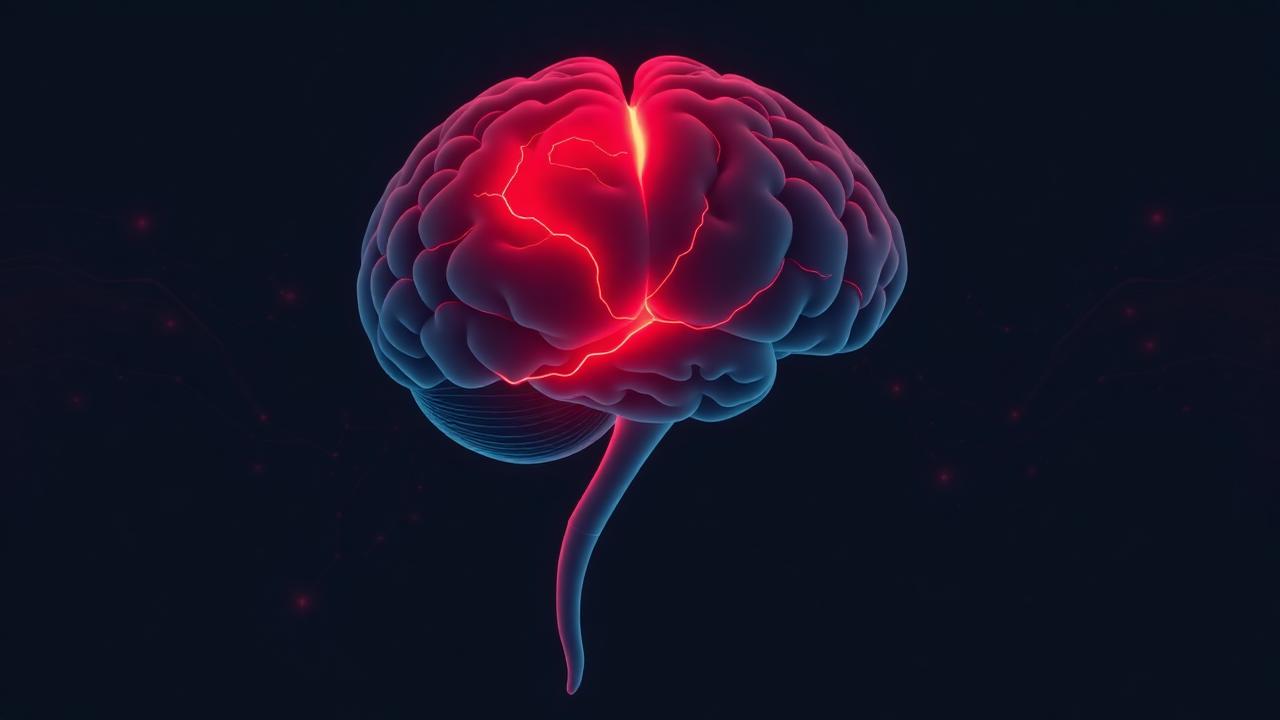
Anxiety · Neuroscience · 9 min
Anxiety and the Brain: The Amygdala-Prefrontal Story
Anxiety disorders involve measurable hyperactivity in threat-detection circuitry and altered prefrontal regulation — and the most effective treatments retrain this circuit.
Read article
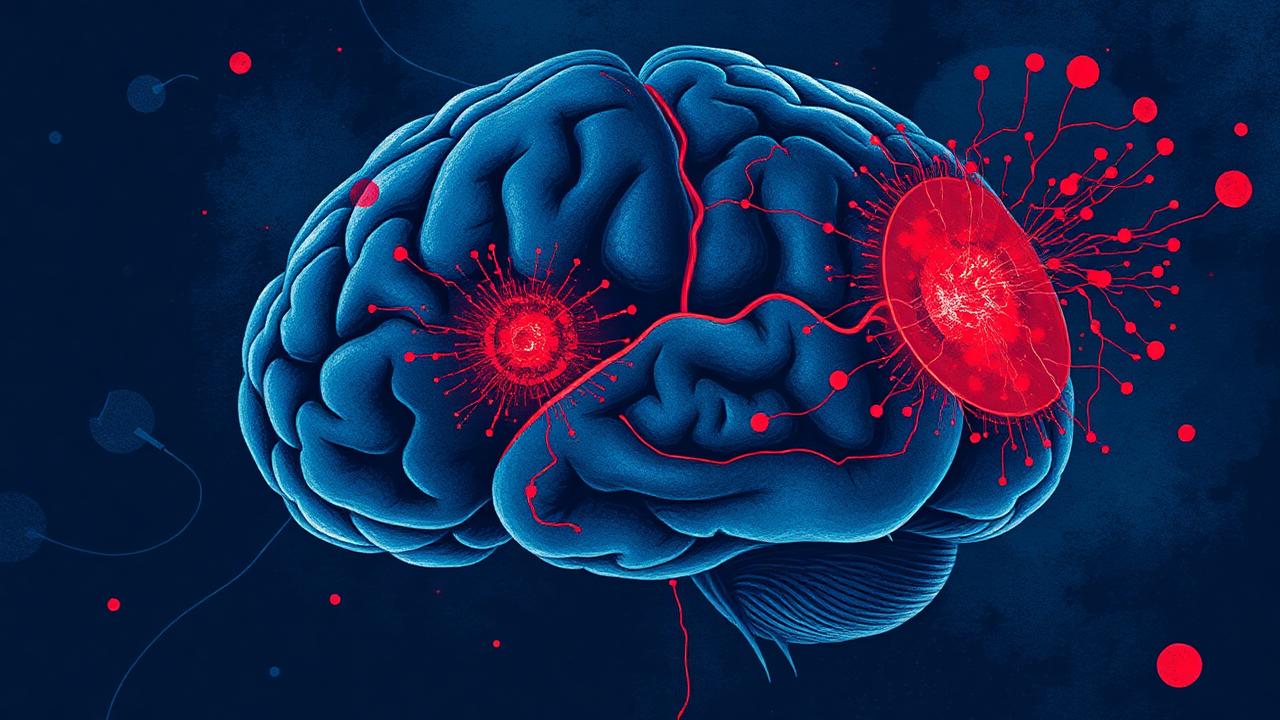
Trauma · Neuroscience · 10 min
Trauma and PTSD: How the Brain Stores Threat
PTSD is a specific neurobiological condition involving altered fear learning, hippocampal function, and threat-circuit reactivity — with concrete, evidence-based treatments.
Read article
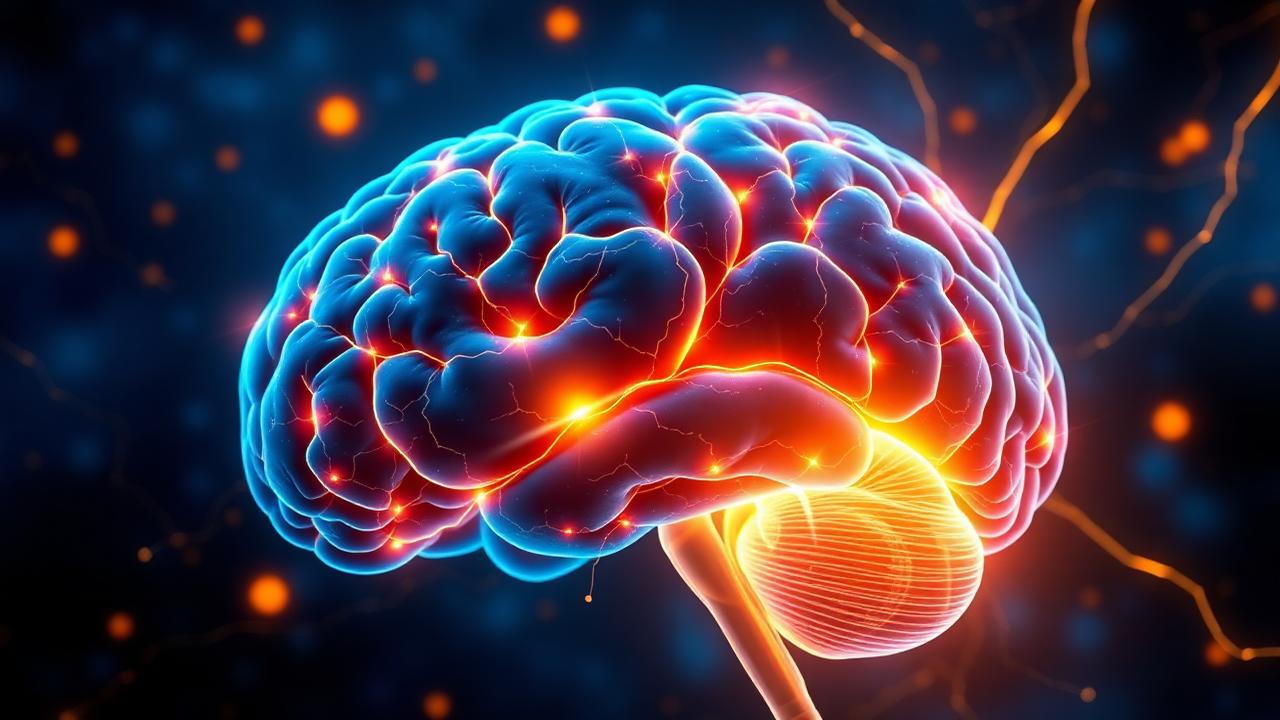
Stress · Mechanism · 9 min
Chronic Stress and the Brain: The Cortisol Cascade
Chronic stress reshapes the brain — measurably, sometimes durably, and in ways that interact with mental and physical health.
Read article
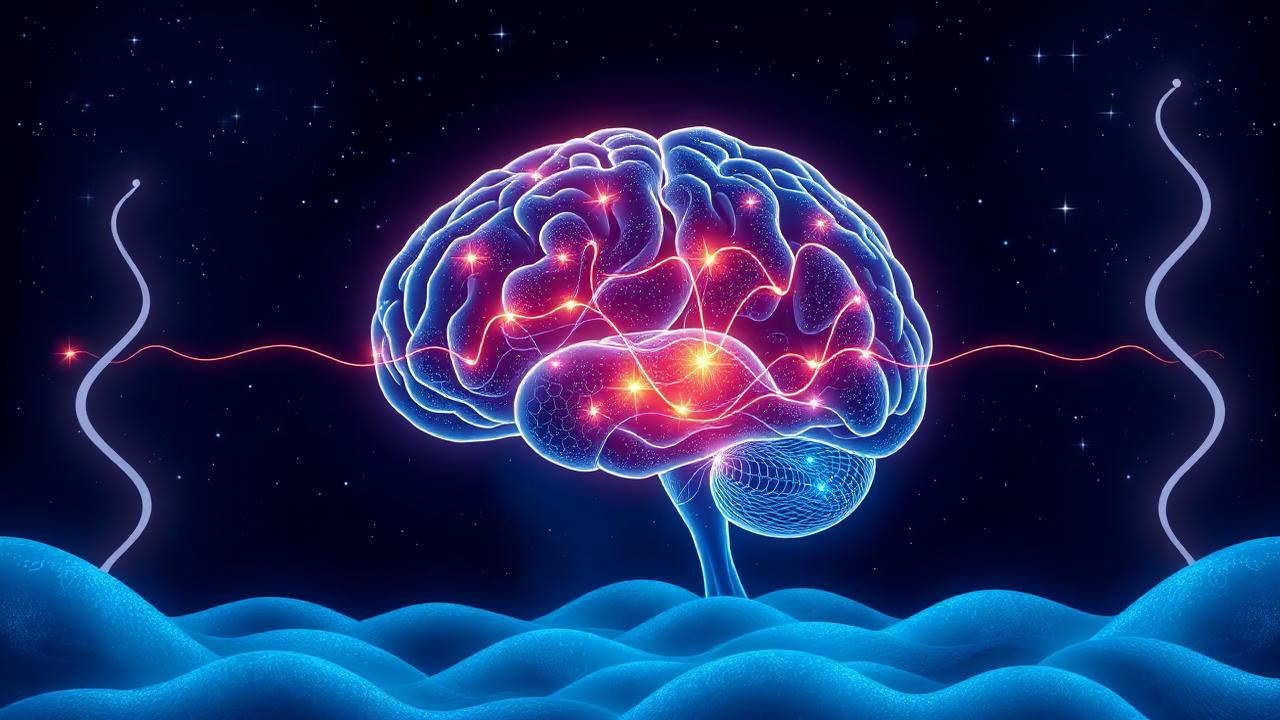
Sleep · Mental Health · 9 min
Sleep and Mental Health: The Bidirectional Link
Sleep is not separate from mental health — it is foundational. The bidirectional link between sleep and mood is among the strongest in psychiatry.
Read article
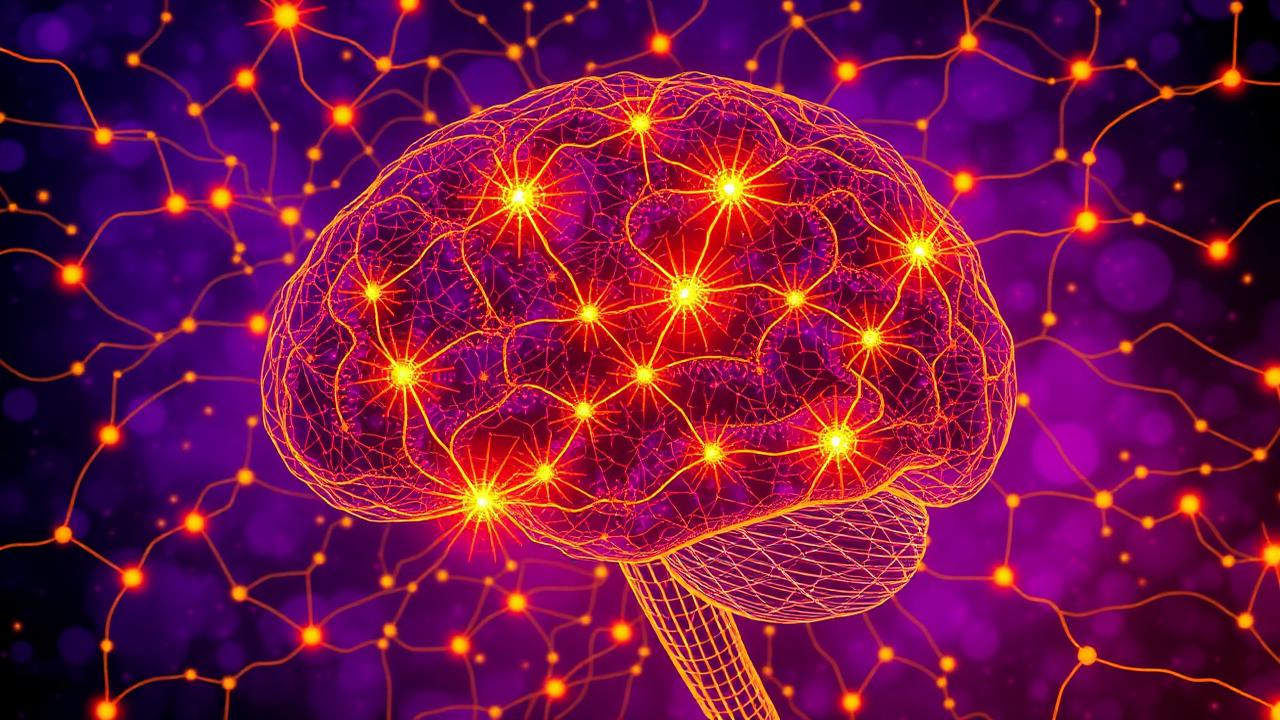
Psychedelics · Research · 10 min
Psychedelic Neuroscience: What the Modern Research Shows
After decades in scientific exile, psychedelics are producing rigorous evidence for treatment-resistant depression, PTSD, and addiction — with measurable effects on brain network organization.
Read article
Mindfulness · Neuroscience · 9 min
Mindfulness Neuroscience: What Meditation Actually Does to the Brain
Mindfulness produces measurable brain changes — but the effect sizes are modest, context-dependent, and often overstated in popular accounts.
Read article
Exercise · Mental Health · 9 min
Exercise and Mental Health: The Strongest Lifestyle Intervention
Aerobic exercise has effect sizes on depression and anxiety comparable to first-line medications and therapy — with broad evidence and almost no downside.
Read article
Frequently asked questions
Is depression really a brain disease?
+
Depression has clear neurobiological correlates — altered connectivity, neurotransmitter dynamics, and neuroplasticity. It is also shaped by life circumstances. Modern neuroscience treats brain and context as interacting, not opposed.
Do antidepressants work?
+
On average, yes — but effect sizes vary by condition, severity, and individual. They are particularly effective for moderate-to-severe depression and most anxiety disorders. Combining with therapy outperforms either alone for most people.
Is the serotonin hypothesis of depression correct?
+
It is incomplete. Depression involves serotonin, but also dopamine, glutamate, neuroplasticity, inflammation, and circuit-level dynamics. Modern accounts are systems-based, not single-neurotransmitter.
What lifestyle changes actually help?
+
Sleep regularization, aerobic exercise, sunlight, social connection, and reduced alcohol intake have the strongest evidence base. These are not substitutes for treatment when needed but are powerful complements.
Further reading & sources
Sponsor this work
BRAINMATTER is independent and reader-supported. Everything here stays free, ad-light, and open to everyone. A one-time sponsorship covers research time, editorial review, and hosting so we can keep publishing without paywalls.
Explore the BRAINMATTER pillars
Authoritative cornerstone hubs across human intelligence, AI, neurotechnology, and the brain economy. Each link goes to a pillar with long-form explainers, sources, and FAQs.
The Future of Human Intelligence
Flagship pillar on cognitive neuroscience, neuroplasticity, and the next 25 years of the human mind.
Human intelligence · Neuroplasticity · Brain capital
Human Intelligence & Cognitive Neuroscience
How the brain learns, remembers, reasons, and feels — from working memory to consciousness.
Cognitive neuroscience · Memory · Consciousness
Artificial Intelligence & NeuroAI
Foundation models, transformers, multimodal systems, and brain-inspired AI architectures.
AI · NeuroAI · Foundation models
Artificial General Intelligence (AGI)
Definitions, benchmarks, timelines, and the open scientific problems on the road to AGI.
AGI · Superintelligence · Scaling laws
Neurotechnology & Brain–Computer Interfaces
BCIs, neural implants, neuromodulation, and the engineering of human cognition.
Neurotechnology · BCI · Neural implants
Human–AI Collaboration & Cognitive Enhancement
How humans and intelligent systems augment each other's reasoning, creativity, and decision-making.
Human-AI collaboration · Cognitive enhancement
Neurodivergence & Brain Health
Autism, ADHD, dyslexia, and the neuroscience of cognitive diversity and lifelong brain health.
Neurodivergence · Brain health · Neurodiversity
AI Ethics, Safety & Alignment
Bias, privacy, misinformation, AI safety, and governance of intelligent systems.
AI ethics · Alignment · Governance
Future of Humanity & the Brain Economy
Long-horizon scenarios for the brain economy, post-AGI society, and civilizational risk.
Brain economy · Post-AGI · Long-termism
Intelligence Index — Human vs Machine
The definitive comparison of biological and artificial cognition across substrate, scale, and reasoning.
Intelligence index · Benchmarks · Comparative cognition
Frontier AI & Neuroscience Labs
Deep profiles of the research organizations defining the next era of intelligence.
OpenAI · Anthropic · DeepMind · Neuralink