
Language & the Brain: How We Speak, Listen, and Understand
An evidence-based hub on how the brain produces and comprehends language — from the motor circuits of speech to the bilingual mind, sign languages, aphasia, prosody, and the deep evolutionary roots of human communication.
Key takeaways
- Language is supported by a distributed network — not just Broca's and Wernicke's areas.
- Speech production and comprehension recruit overlapping but distinct circuits.
- Bilingual brains show structural and functional adaptations, with real cognitive trade-offs and advantages.
- Sign languages are full natural languages and recruit the same core left-hemisphere systems.
- Aphasia after stroke reveals — and language therapy reshapes — these networks.
What this hub covers
Language is the most distinctive feature of the human mind. This hub maps the brain systems that produce speech, decode meaning, support multiple languages in one head, recover from injury, and stretch from gesture to grammar across modalities.
Long-form articles
Sourced, evidence-based explainers. New entries added regularly.
Speech · Motor Cognition · 8 min
How the Brain Produces Speech
Speaking is one of the most complex motor acts humans perform. A distributed network plans words, sequences sounds, and drives the vocal tract in real time.
Read article
Comprehension · Neuroscience · 8 min
Language Comprehension: How the Brain Decodes Meaning
Understanding speech and text is a feat of pattern recognition, memory access, and rapid prediction across multiple brain regions.
Read article
Bilingualism · Cognition · 9 min
The Bilingual Brain
Speaking more than one language reshapes the brain — and changes how attention, control, and cognition operate across the lifespan.
Read article
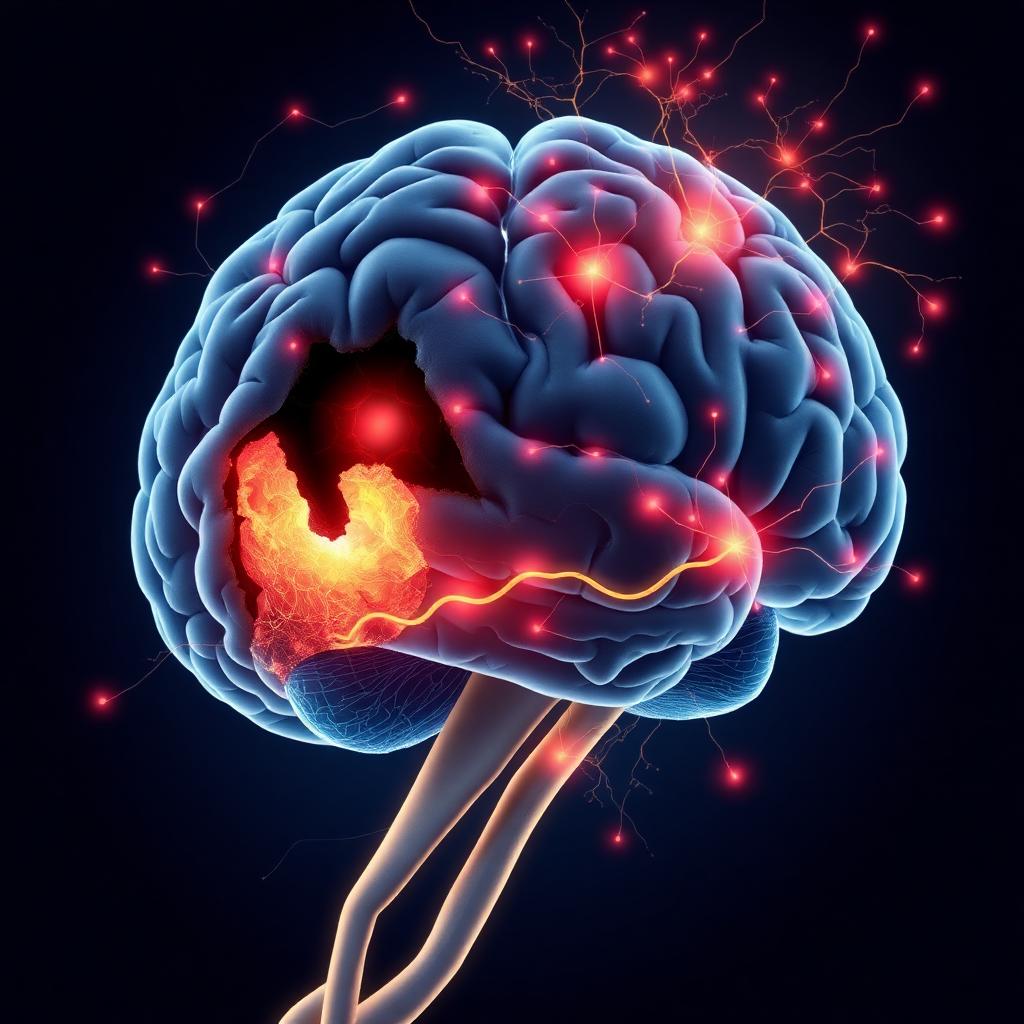
Aphasia · Neurorehabilitation · 9 min
Aphasia and Language Recovery After Brain Injury
Stroke and other injuries to language regions cause aphasia — and the recovery process reveals how plastic adult language networks really are.
Read article
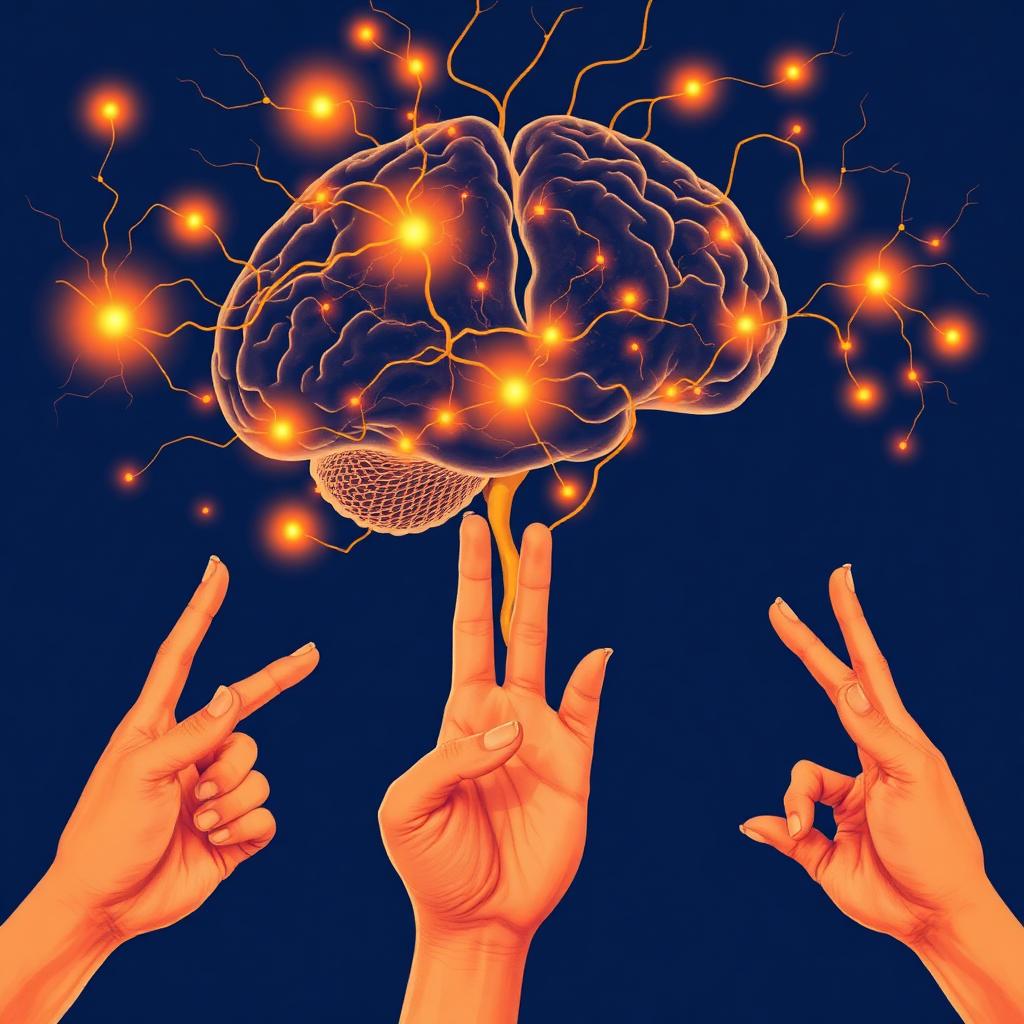
Sign Language · Neurolinguistics · 7 min
Sign Language and the Brain
Sign languages are full natural languages — and the brain treats them like ones, recruiting the same core circuits as speech with added visuospatial machinery.
Read article
Linguistic Relativity · 8 min
Language and Thought
Does the language you speak shape how you think? Modern cognitive science gives a nuanced answer — yes, in measurable but bounded ways.
Read article
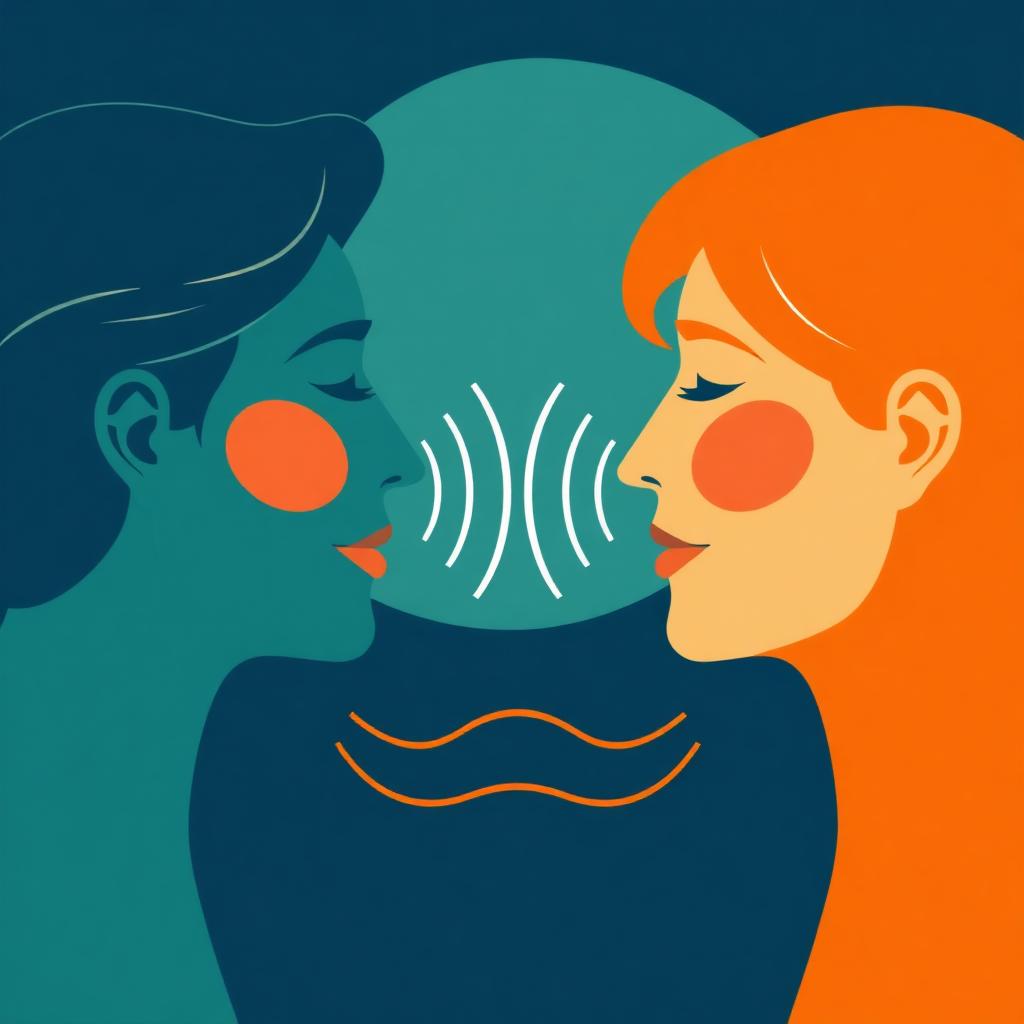
Prosody · Pragmatics · 7 min
Prosody, Tone, and the Brain in Conversation
Words carry meaning, but melody, rhythm, and timing carry just as much. The brain integrates them in real time to make conversation work.
Read article
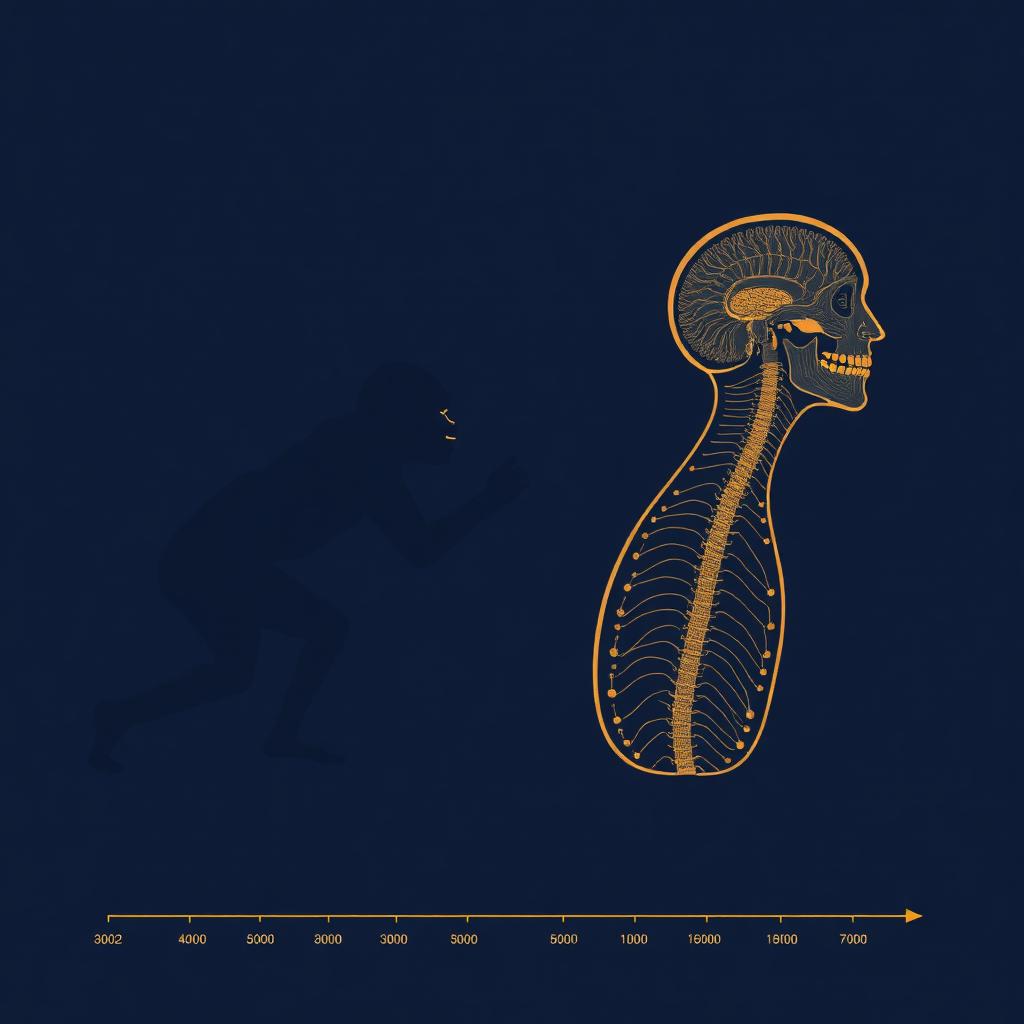
Evolution · Origins · 9 min
The Evolution of Human Language
Where did language come from? Comparative anatomy, archaeology, and genetics offer overlapping clues — but the deep question remains open.
Read article
Frequently asked questions
Is language localized to one part of the brain?
+
No — it relies on a distributed left-lateralized network spanning frontal, temporal, and parietal regions, with right-hemisphere contributions for prosody and discourse.
Does bilingualism reshape the brain?
+
Yes — bilinguals show changes in gray-matter density and white-matter integrity in language-control regions, with measurable effects on executive function.
Are sign languages processed like spoken ones?
+
Largely yes — fluent signers recruit the same left-hemisphere language network, with additional engagement of visuospatial regions.
Further reading & sources
Sponsor this work
BRAINMATTER is independent and reader-supported. Everything here stays free, ad-light, and open to everyone. A one-time sponsorship covers research time, editorial review, and hosting so we can keep publishing without paywalls.
Explore the BRAINMATTER pillars
Authoritative cornerstone hubs across human intelligence, AI, neurotechnology, and the brain economy. Each link goes to a pillar with long-form explainers, sources, and FAQs.
The Future of Human Intelligence
Flagship pillar on cognitive neuroscience, neuroplasticity, and the next 25 years of the human mind.
Human intelligence · Neuroplasticity · Brain capital
Human Intelligence & Cognitive Neuroscience
How the brain learns, remembers, reasons, and feels — from working memory to consciousness.
Cognitive neuroscience · Memory · Consciousness
Artificial Intelligence & NeuroAI
Foundation models, transformers, multimodal systems, and brain-inspired AI architectures.
AI · NeuroAI · Foundation models
Artificial General Intelligence (AGI)
Definitions, benchmarks, timelines, and the open scientific problems on the road to AGI.
AGI · Superintelligence · Scaling laws
Neurotechnology & Brain–Computer Interfaces
BCIs, neural implants, neuromodulation, and the engineering of human cognition.
Neurotechnology · BCI · Neural implants
Human–AI Collaboration & Cognitive Enhancement
How humans and intelligent systems augment each other's reasoning, creativity, and decision-making.
Human-AI collaboration · Cognitive enhancement
Neurodivergence & Brain Health
Autism, ADHD, dyslexia, and the neuroscience of cognitive diversity and lifelong brain health.
Neurodivergence · Brain health · Neurodiversity
AI Ethics, Safety & Alignment
Bias, privacy, misinformation, AI safety, and governance of intelligent systems.
AI ethics · Alignment · Governance
Future of Humanity & the Brain Economy
Long-horizon scenarios for the brain economy, post-AGI society, and civilizational risk.
Brain economy · Post-AGI · Long-termism
Intelligence Index — Human vs Machine
The definitive comparison of biological and artificial cognition across substrate, scale, and reasoning.
Intelligence index · Benchmarks · Comparative cognition
Frontier AI & Neuroscience Labs
Deep profiles of the research organizations defining the next era of intelligence.
OpenAI · Anthropic · DeepMind · Neuralink