
Future Brain Technologies: Brain 2050
Brain–computer interfaces, neural implants, neuroprosthetics, and the technologies that will reshape human cognition by 2050 — what is real today, what is speculative, and what the evidence supports.
Key takeaways
- Brain–computer interfaces have crossed from research prototypes into approved clinical trials for paralysis and communication.
- Most consumer-grade neurotech devices significantly outrun the underlying evidence.
- Closed-loop neurostimulation is already standard care for some forms of epilepsy and treatment-resistant depression.
- The deepest near-term constraints are ethical, regulatory, and biocompatibility — not raw engineering.
What this hub covers
Future brain technologies are advancing across medical neural implants, brain–computer interfaces, neuroprosthetics, and closed-loop neurostimulation. This hub separates rigorously tested clinical applications from speculative projections, with sourced research and an honest read of where the field actually is.
Long-form articles
Sourced, evidence-based explainers. New entries added regularly.
Vision · Brain 2050 · 11 min
Brain 2050: A Realistic Vision of Human Cognition in 25 Years
An evidence-anchored projection of where brain science, neurotechnology, and AI augmentation are likely — and unlikely — to be by 2050.
Read article
Technology · BCI · 10 min
Brain–Computer Interfaces: From Lab to Clinic
BCIs translate neural activity into device commands. The technology is now decisively past proof-of-concept and into real clinical use.
Read article
Medical · Implants · 9 min
Medical Neural Implants: What Works Today
Cochlear implants, deep brain stimulators, and responsive neurostimulation devices are already restoring function for millions of patients.
Read article
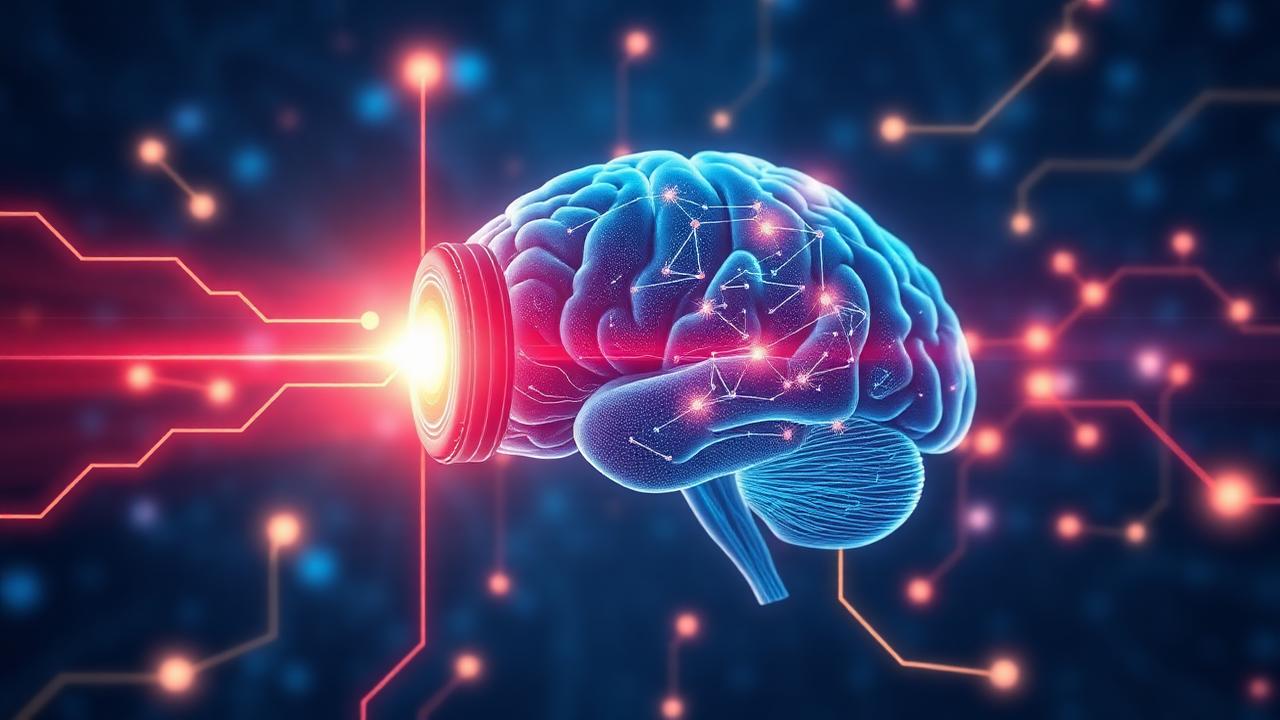
Memory · Technology · 9 min
Memory Enhancement Technology: What's Real, What's Hype
Research-stage memory prosthetics have shown encouraging results in restoring function after damage. Healthy-adult memory enhancement remains speculative.
Read article
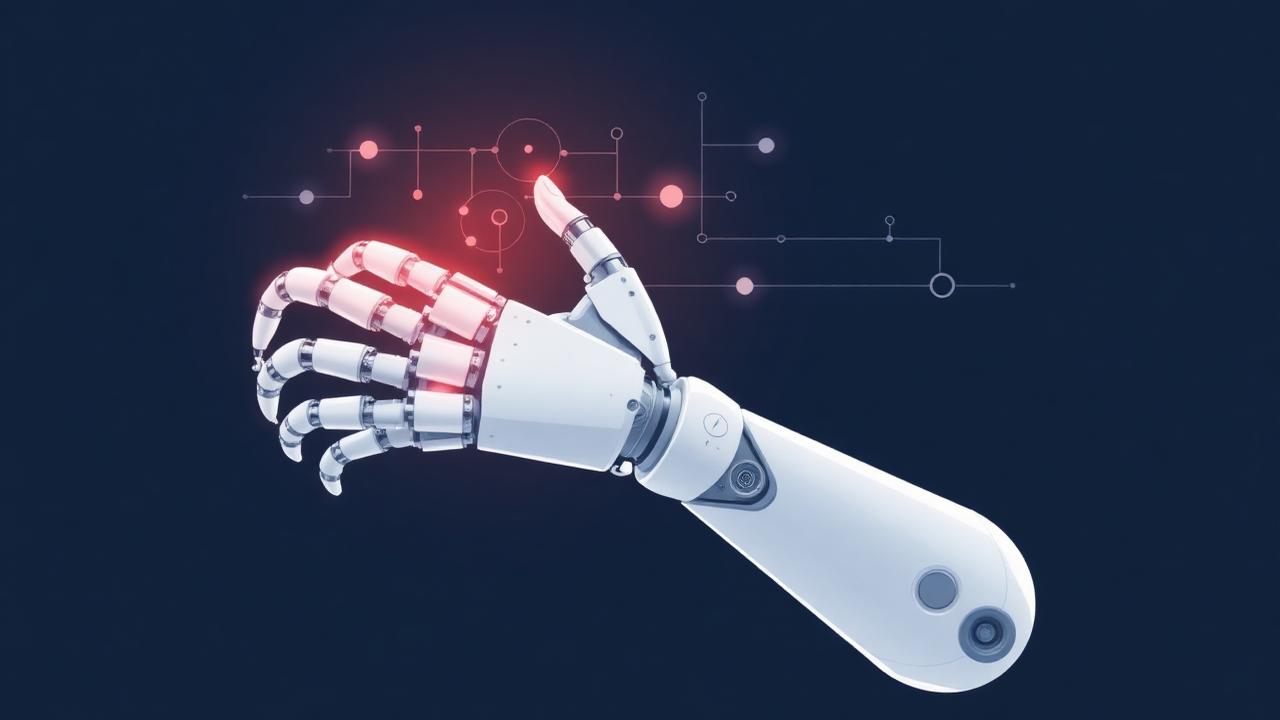
Restoration · Neuroprosthetics · 9 min
Neuroprosthetics: Restoring Motion, Sensation, and Speech
Neuroprosthetics decode neural intent or stimulate neural tissue to restore lost function — and the results in motor and speech restoration are increasingly remarkable.
Read article
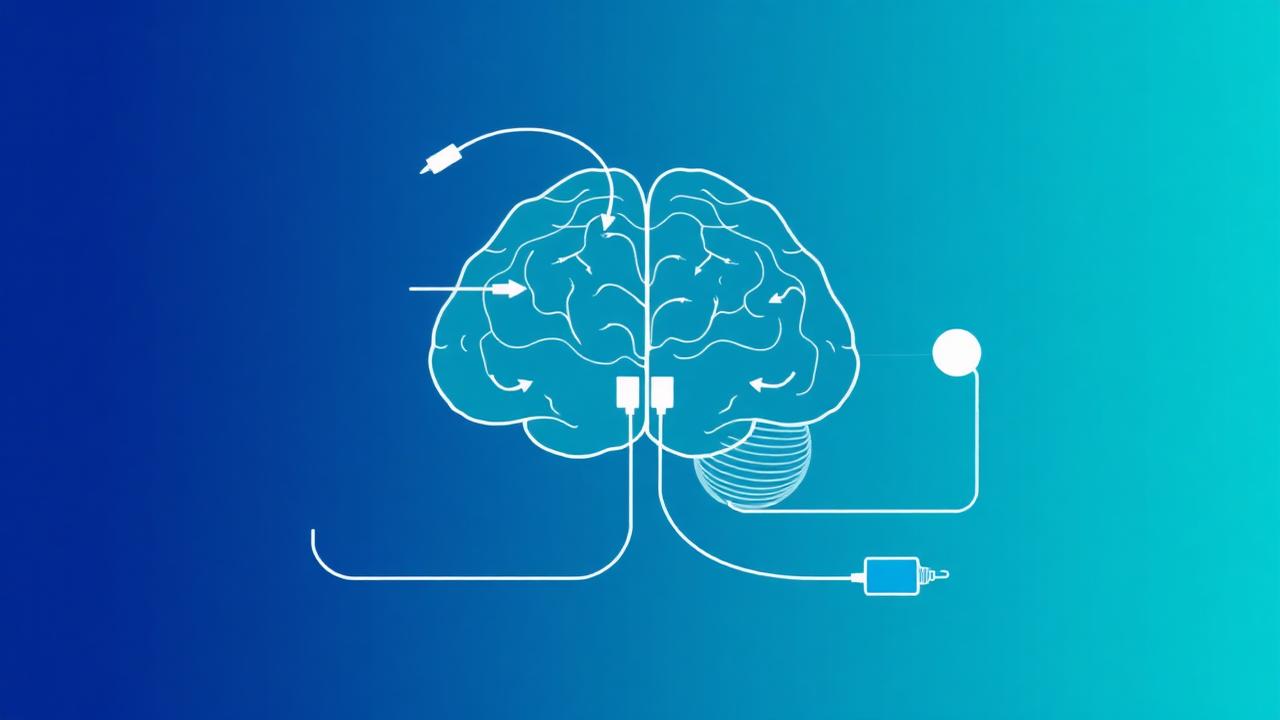
Therapy · Closed Loop · 8 min
Closed-Loop Neurostimulation: Smart Brain Therapy
Closed-loop devices detect abnormal brain activity and respond automatically — already standard for some epilepsy patients and entering psychiatric care.
Read article
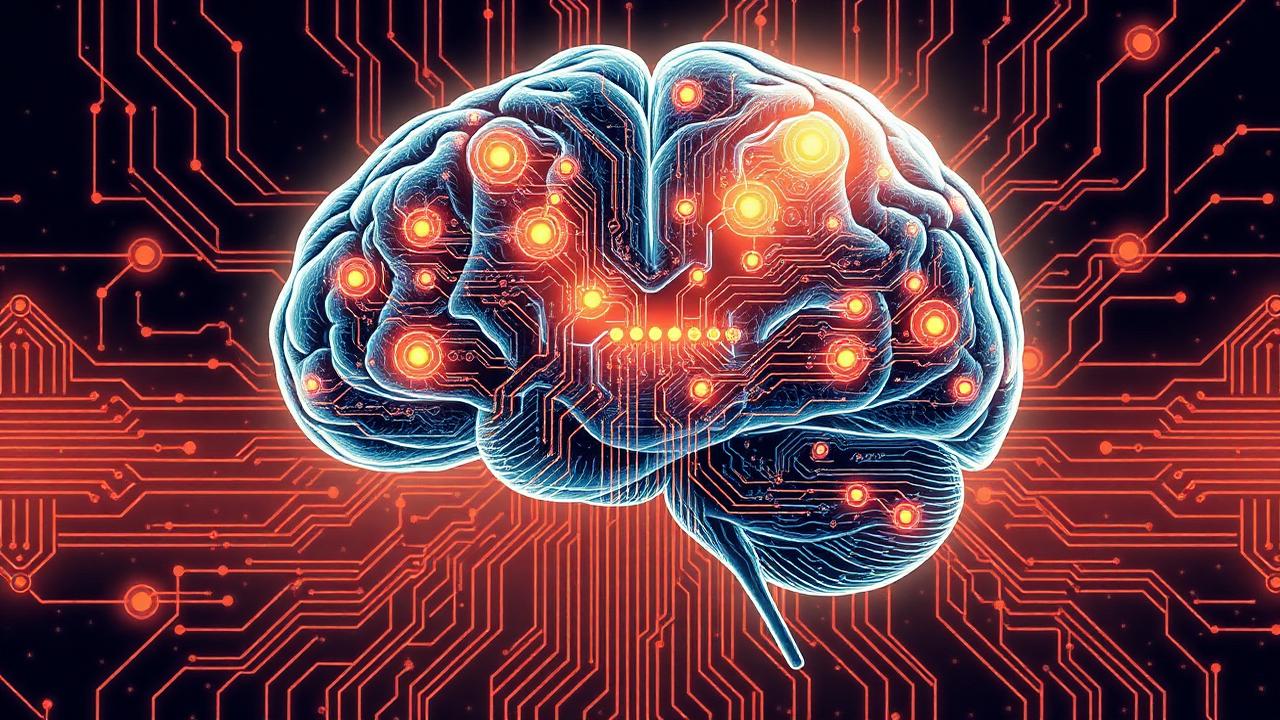
Ethics · Neurotech · 9 min
Neurotechnology Ethics: The Frontier We're Not Ready For
Mental privacy, cognitive liberty, identity, and access — the ethical questions raised by neurotechnology are real and largely unresolved.
Read article
Future · Augmentation · 10 min
Mind–Machine Merging: Augmentation Without the Hype
Humans have always extended cognition with tools. Today's tools are different in degree and kind — but the line between 'tool' and 'merger' is blurrier than headlines suggest.
Read article
Frequently asked questions
How close are we to a real consumer brain–computer interface?
+
Medical-grade implanted BCIs are in human trials with documented results in paralysis. Consumer-grade non-invasive devices exist but their cognitive benefits are modest and often overstated by marketing.
Will we be able to upload memories by 2050?
+
Highly unlikely. Memory storage in the brain is distributed, reconstructive, and context-dependent — fundamentally unlike file storage.
Are neural implants safe?
+
Approved medical implants have strong safety records in their indicated uses. Long-term biocompatibility for high-channel-count implants is still an active research question.
Further reading & sources
Sponsor this work
BRAINMATTER is independent and reader-supported. Everything here stays free, ad-light, and open to everyone. A one-time sponsorship covers research time, editorial review, and hosting so we can keep publishing without paywalls.
Explore the BRAINMATTER pillars
Authoritative cornerstone hubs across human intelligence, AI, neurotechnology, and the brain economy. Each link goes to a pillar with long-form explainers, sources, and FAQs.
The Future of Human Intelligence
Flagship pillar on cognitive neuroscience, neuroplasticity, and the next 25 years of the human mind.
Human intelligence · Neuroplasticity · Brain capital
Human Intelligence & Cognitive Neuroscience
How the brain learns, remembers, reasons, and feels — from working memory to consciousness.
Cognitive neuroscience · Memory · Consciousness
Artificial Intelligence & NeuroAI
Foundation models, transformers, multimodal systems, and brain-inspired AI architectures.
AI · NeuroAI · Foundation models
Artificial General Intelligence (AGI)
Definitions, benchmarks, timelines, and the open scientific problems on the road to AGI.
AGI · Superintelligence · Scaling laws
Neurotechnology & Brain–Computer Interfaces
BCIs, neural implants, neuromodulation, and the engineering of human cognition.
Neurotechnology · BCI · Neural implants
Human–AI Collaboration & Cognitive Enhancement
How humans and intelligent systems augment each other's reasoning, creativity, and decision-making.
Human-AI collaboration · Cognitive enhancement
Neurodivergence & Brain Health
Autism, ADHD, dyslexia, and the neuroscience of cognitive diversity and lifelong brain health.
Neurodivergence · Brain health · Neurodiversity
AI Ethics, Safety & Alignment
Bias, privacy, misinformation, AI safety, and governance of intelligent systems.
AI ethics · Alignment · Governance
Future of Humanity & the Brain Economy
Long-horizon scenarios for the brain economy, post-AGI society, and civilizational risk.
Brain economy · Post-AGI · Long-termism
Intelligence Index — Human vs Machine
The definitive comparison of biological and artificial cognition across substrate, scale, and reasoning.
Intelligence index · Benchmarks · Comparative cognition
Frontier AI & Neuroscience Labs
Deep profiles of the research organizations defining the next era of intelligence.
OpenAI · Anthropic · DeepMind · Neuralink
Continue exploring
Neurotechnology
Brain-computer interfaces, neural implants, and the convergence of biology and silicon.
Human + AI Collaboration
How AI is amplifying medicine, science, education, creativity, and human potential.
Artificial Intelligence
How modern AI systems learn, reason, and generate - from neural networks to large language models.
Future of Humanity
Long-term scenarios for civilization, cognition, and what it means to be human in an AI era.