
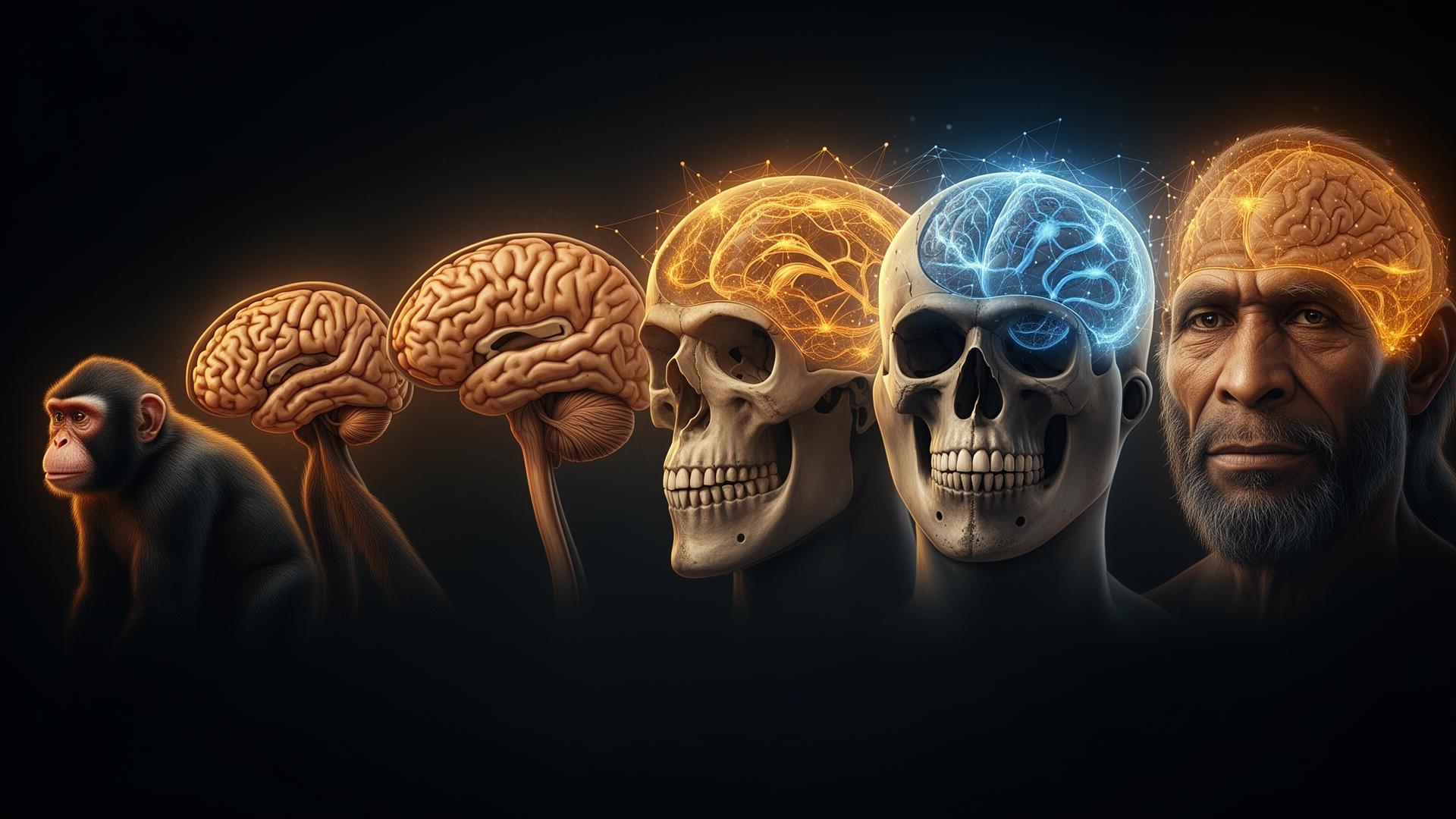
Evolution and the Brain
How the human brain evolved over six million years, what makes it unique among species, and the neuroscience of our cognitive origins from Australopithecus to the digital age.
Key takeaways
- The human brain tripled in size over six million years of hominin evolution, but size alone does not explain our cognitive uniqueness.
- The social brain hypothesis proposes that primate intelligence evolved primarily to navigate complex social relationships.
- Language, tool use, and cumulative culture created feedback loops that further expanded brain complexity.
- Comparative neuroscience reveals that human brains are distinguished by connectivity, developmental timing, and symbolic capacity, not merely neuron count.
- Brain evolution continues: cultural and technological change now shapes selection pressures on human cognition.
What this hub covers
The human brain is not just large — it is differently organized. This hub explores the evolutionary trajectory that produced our species' extraordinary cognitive capacities: the expansion of the cerebral cortex, the emergence of language, the social brain hypothesis, tool use and culture, and the ongoing debate about what truly makes human cognition unique.
Long-form articles
Sourced, evidence-based explainers. New entries added regularly.
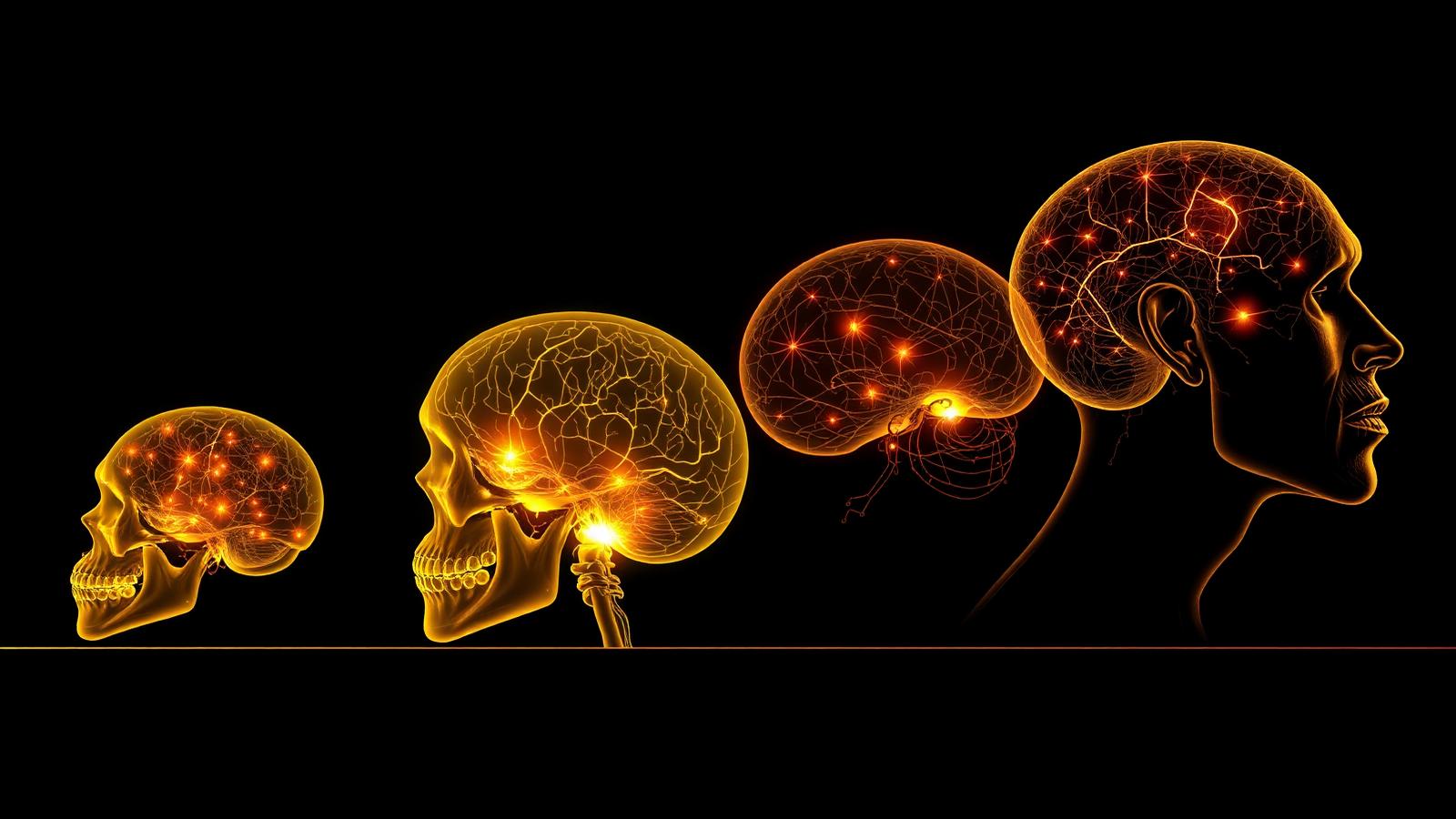
Evolution · Paleoneuroscience · 10 min
The Evolution of the Human Brain: From Australopithecus to Homo Sapiens
Over six million years, the hominin brain tripled in size and underwent profound organizational changes. This article traces the fossil and genetic evidence for how and why the human brain became what it is today.
Read article
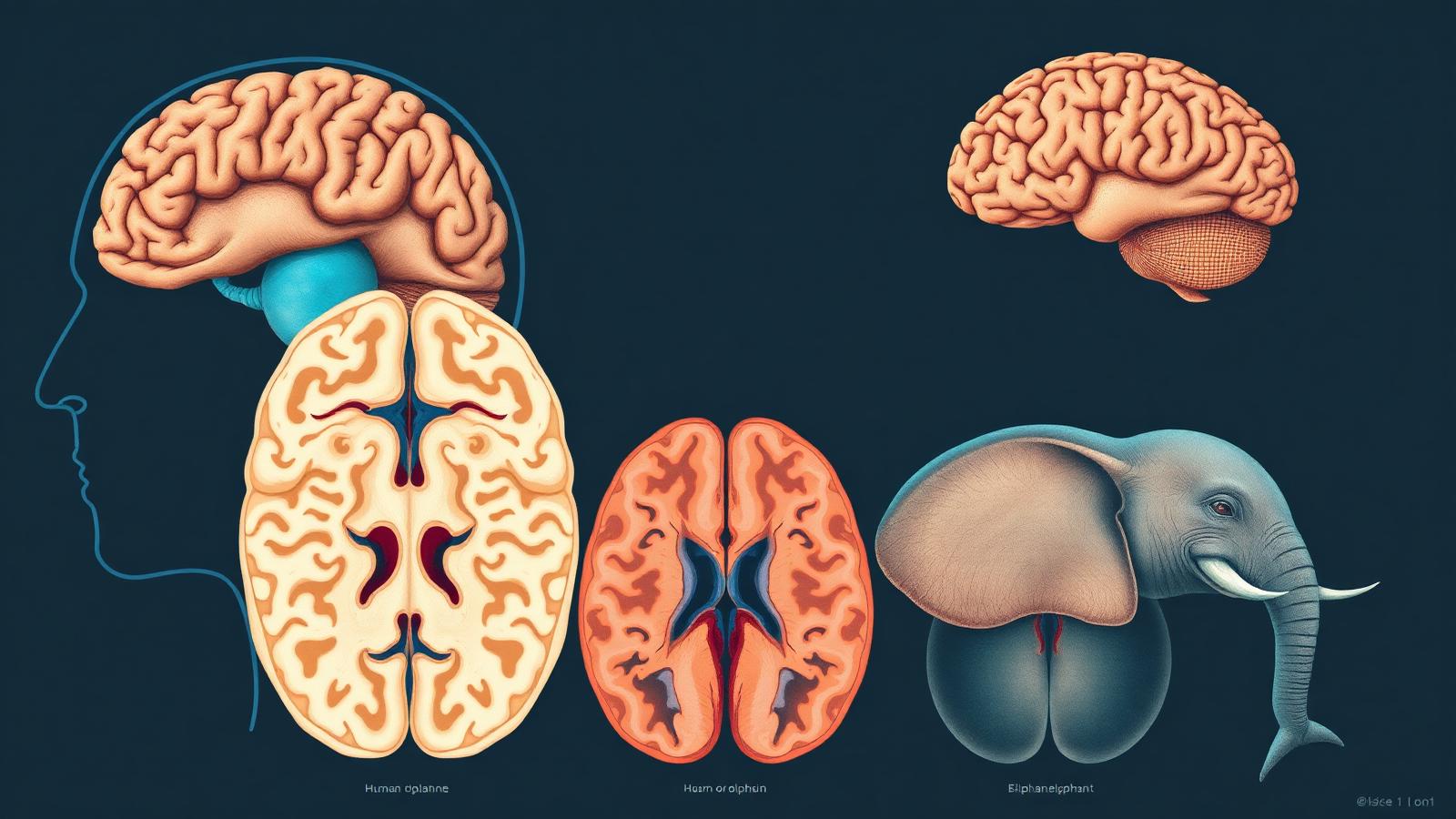
Comparative · Neuroanatomy · 9 min
Comparative Neuroscience: What Makes Human Brains Unique
Human brains are not simply scaled-up primate brains. Comparative neuroscience reveals specific organizational differences in connectivity, cell types, and developmental timing that underlie our cognitive specializations.
Read article
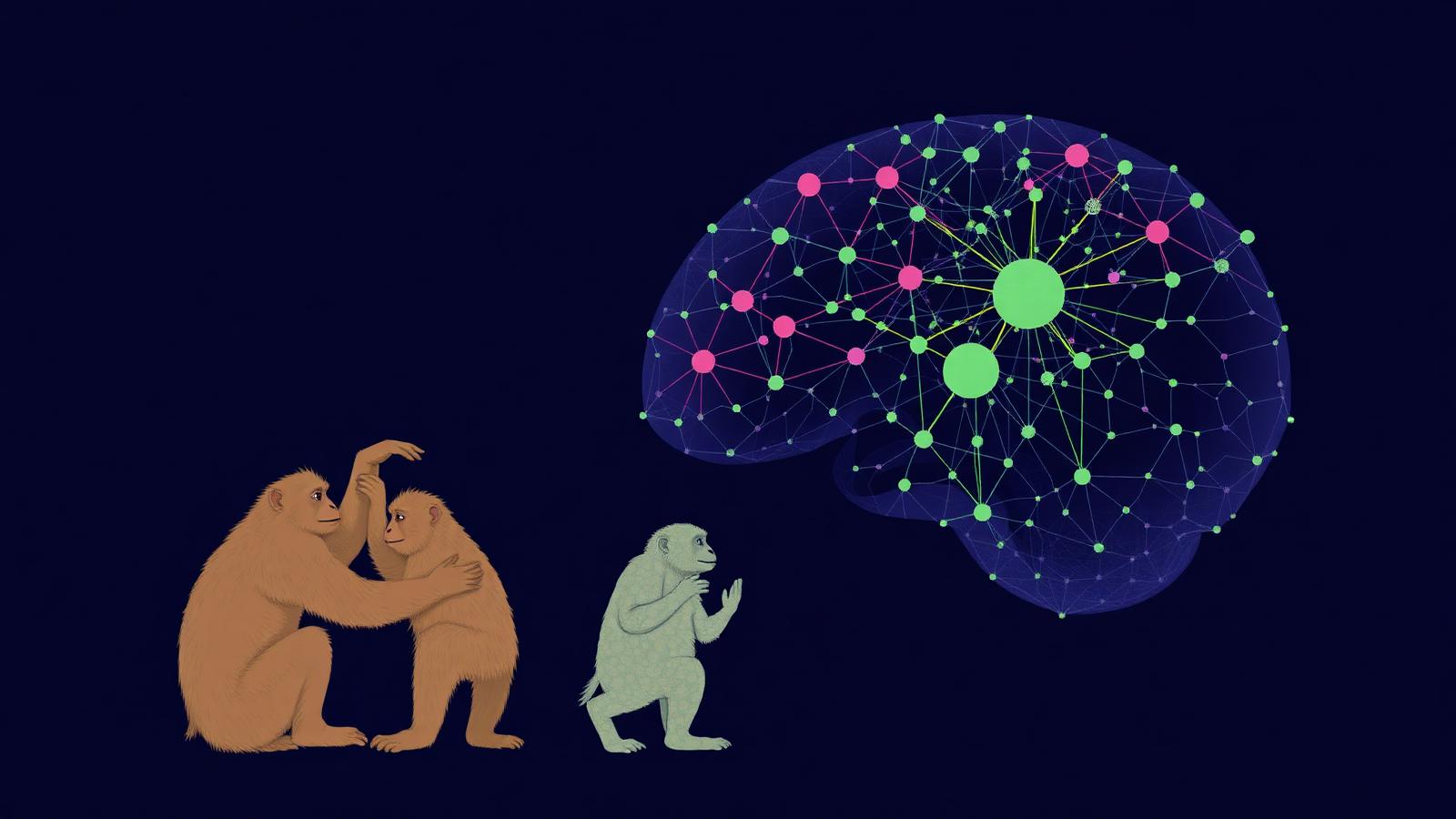
Social Evolution · Cognitive Ecology · 8 min
The Social Brain Hypothesis: Why Bigger Brains for Social Living
The social brain hypothesis proposes that primate intelligence evolved primarily to navigate complex social relationships. This idea has transformed how we understand human cognition, culture, and even the evolution of language.
Read article
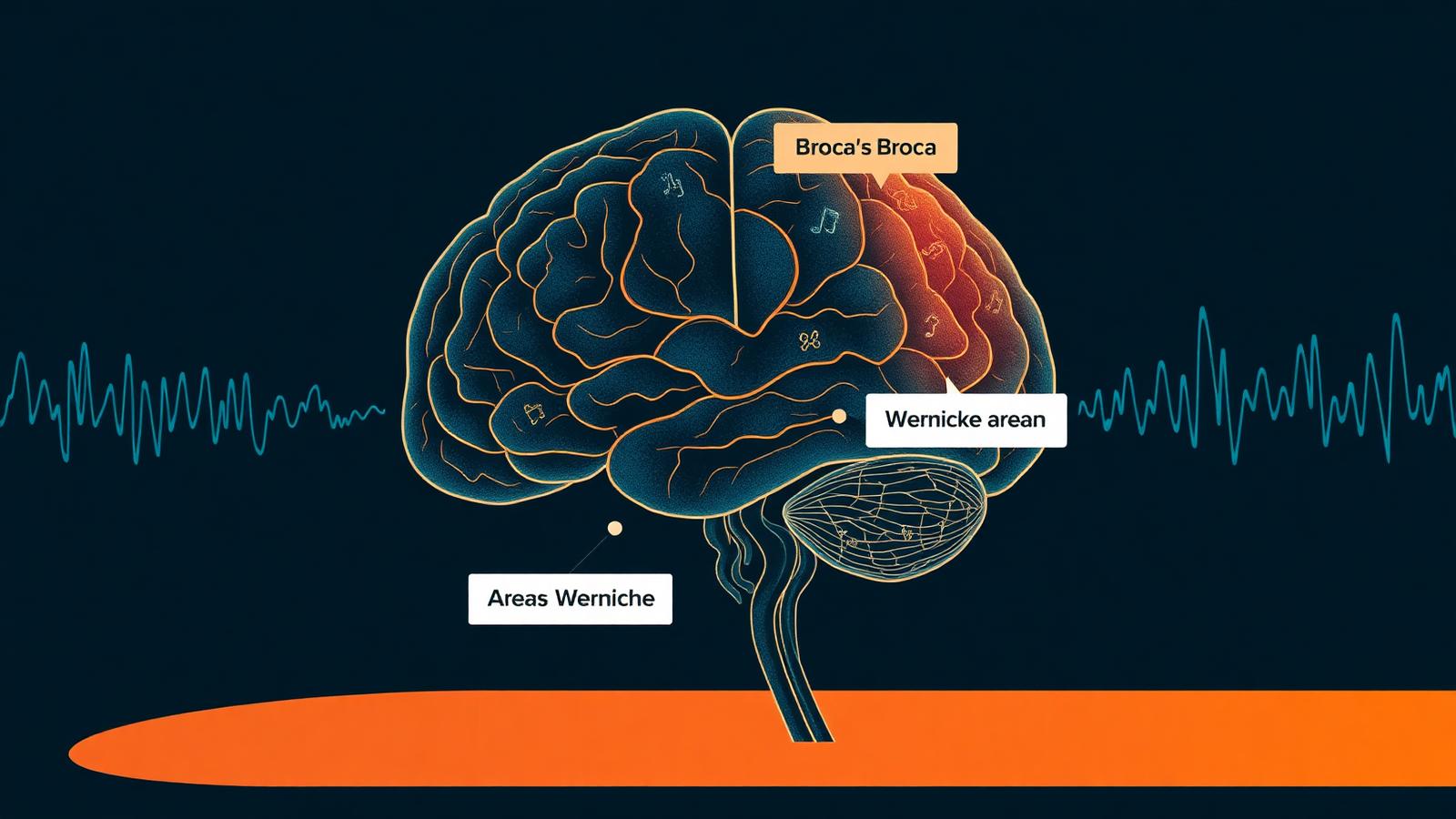
Language · Evolution · 9 min
Language Evolution and the Brain: From Protolanguage to Syntax
Language is the defining human cognitive capacity. But how did it evolve? This article examines the neural, genetic, and fossil evidence for how our species developed the capacity for symbolic communication.
Read article
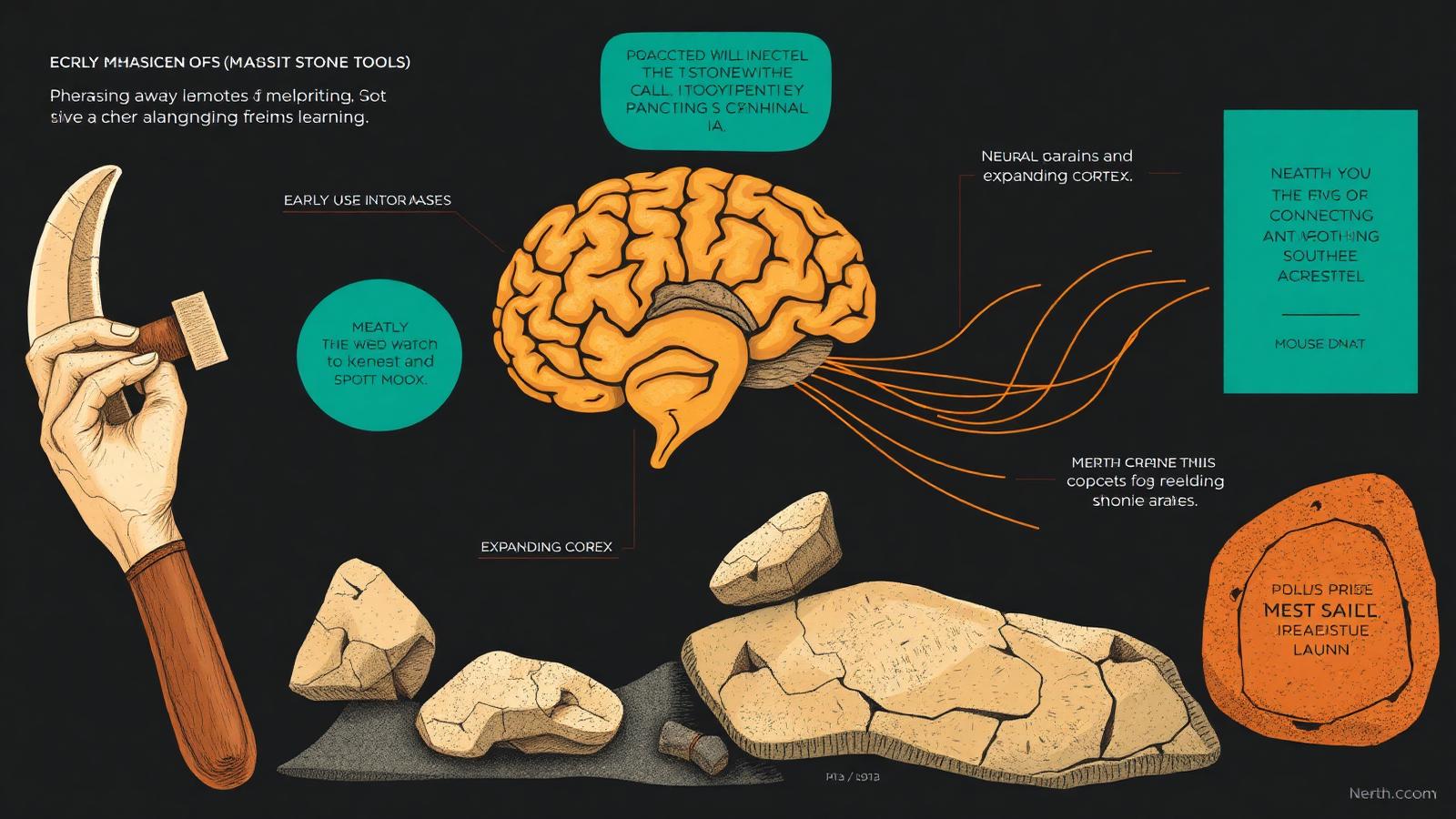
Culture · Technology · 8 min
Tool Use, Culture, and the Expanding Brain
Tool use and culture created a feedback loop that drove human brain expansion. This 'cumulative culture' — the ability to build on previous innovations — may be the most distinctive feature of human cognition.
Read article
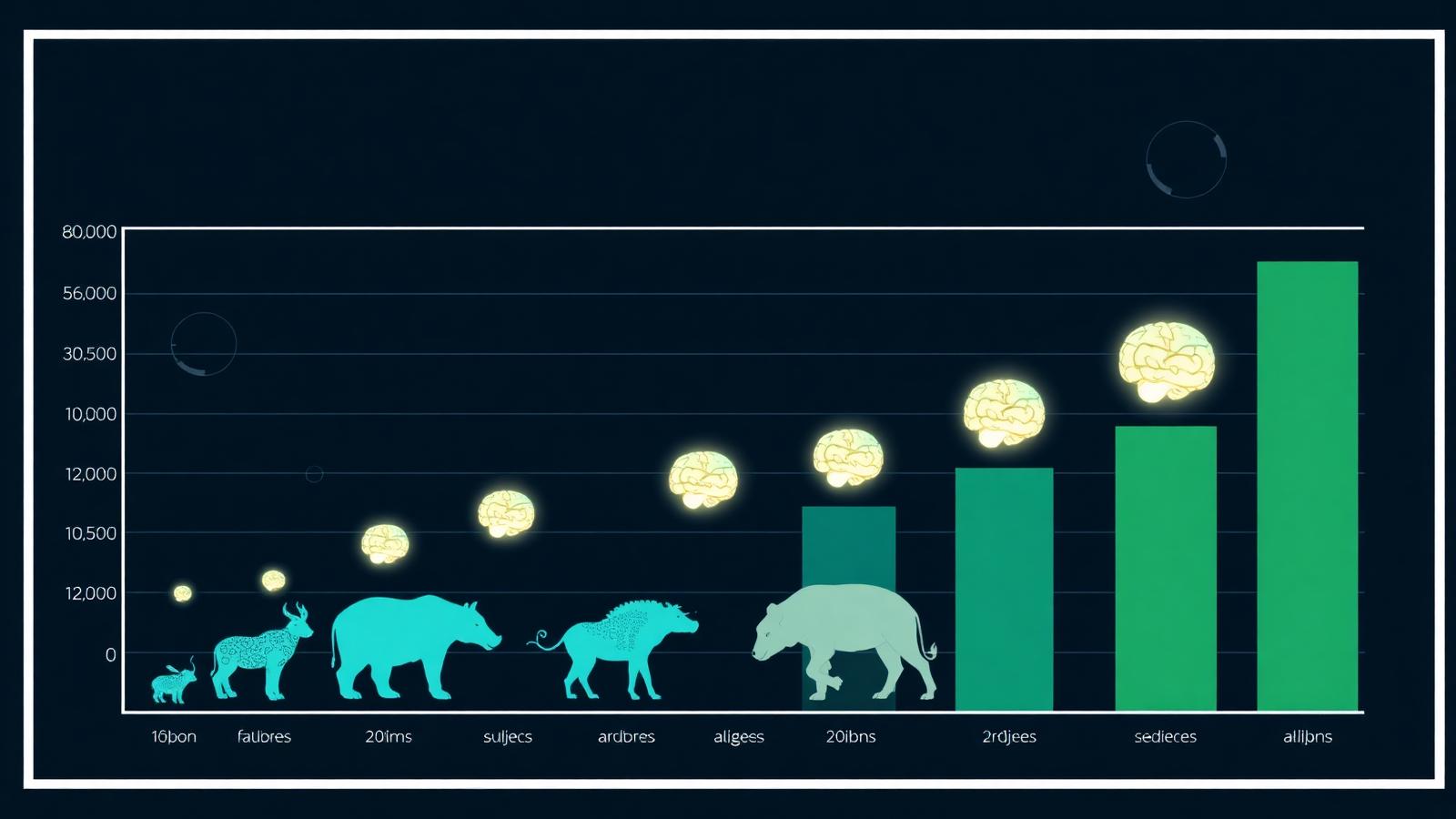
Comparative · Cognition · 7 min
Encephalization and Intelligence Across Species
Brain size alone does not predict intelligence. Encephalization quotient — brain size relative to body size — offers a better but still imperfect measure of cognitive capacity across the animal kingdom.
Read article
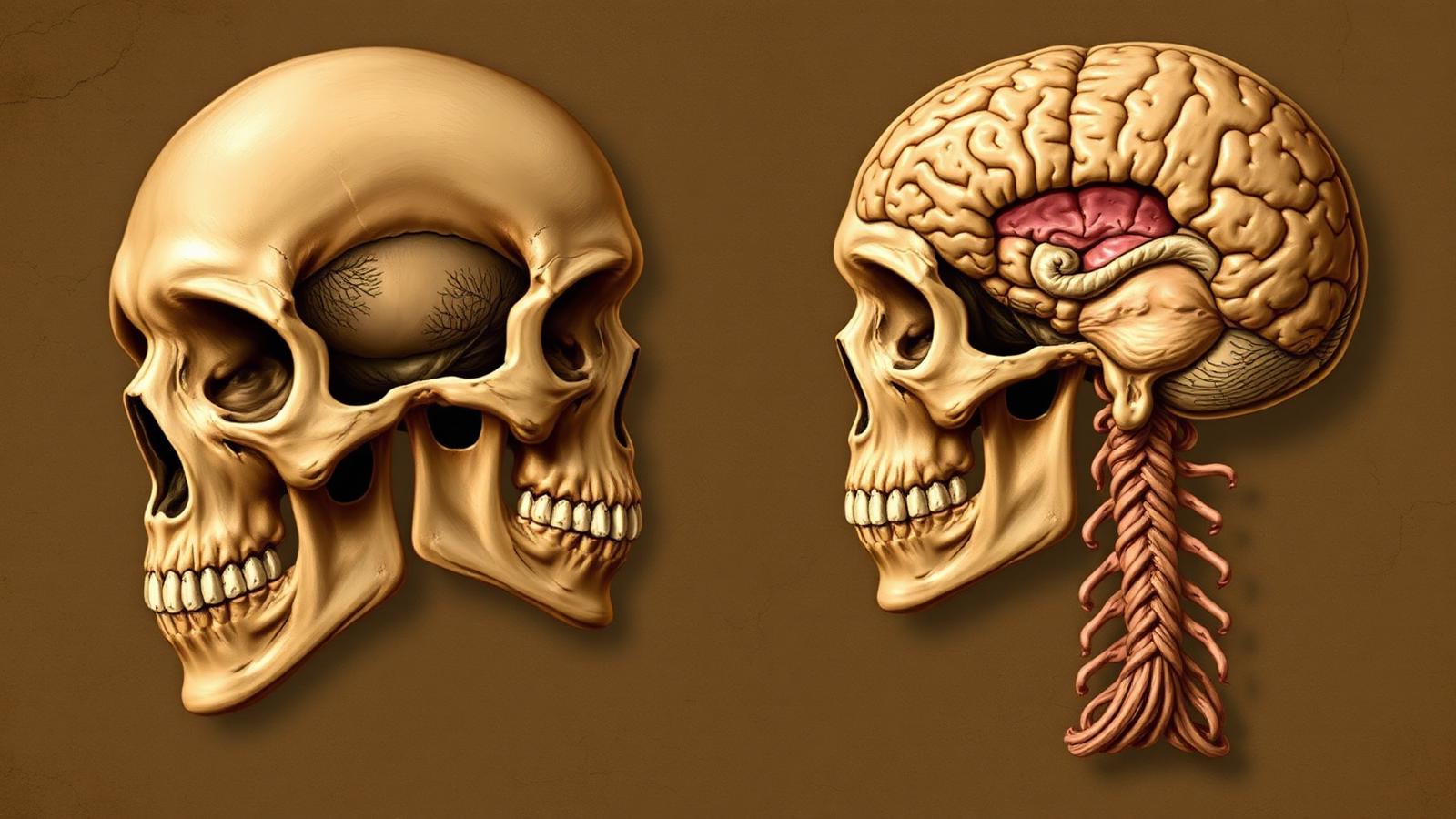
Paleoneuroscience · Archaic Humans · 8 min
Neanderthal Brains and Archaic Human Cognition
Neanderthals had brains as large as or larger than modern humans, yet they differed in behavior and cognition. Comparative analysis of Neanderthal and modern human brains reveals what genetic and neural changes may underlie our cognitive differences.
Read article
Future · Speculation · 7 min
The Future of Human Brain Evolution
Human brain evolution did not stop 200,000 years ago. Cultural, technological, and possibly genetic changes continue to shape our cognition. This article explores where human brain evolution might be headed.
Read article
Frequently asked questions
Why did the human brain get so large?
+
No single factor explains human brain expansion. Leading hypotheses include ecological challenges (foraging complexity), social demands (navigating alliances and competition), sexual selection, and cultural feedback loops. The current consensus favors a multi-factorial explanation with social and cultural factors playing dominant roles.
Are humans the most intelligent animals?
+
It depends on how intelligence is defined. Humans excel at symbolic reasoning, cumulative culture, and abstract communication. Other species outperform us in memory (some birds), echolocation (dolphins, bats), spatial navigation (ants, bees), and sensory discrimination (dogs, elephants). Intelligence is domain-specific.
Is human brain evolution still ongoing?
+
Yes, though the pace and direction are debated. Modern humans show recent genetic changes affecting brain development, immune function, and metabolism. Cultural evolution now operates faster than biological evolution, creating novel selection pressures.
What can we learn from Neanderthal brains?
+
Neanderthals had comparable or slightly larger brains than modern humans but different organization. They lacked the expanded parietal and cerebellar regions associated with symbolic thought and complex tool innovation. Comparing Neanderthal and modern human genomes reveals specific genetic changes that may underlie our cognitive differences.
Does brain size determine intelligence?
+
No. Across species, brain-to-body ratio (encephalization) predicts cognitive capacity better than absolute size. Within humans, brain size correlates weakly with intelligence (~0.3). Neural connectivity, cortical organization, processing speed, and experience all matter more.
Further reading & sources
Sponsor this work
BRAINMATTER is independent and reader-supported. Everything here stays free, ad-light, and open to everyone. A one-time sponsorship covers research time, editorial review, and hosting so we can keep publishing without paywalls.
Explore the BRAINMATTER pillars
Authoritative cornerstone hubs across human intelligence, AI, neurotechnology, and the brain economy. Each link goes to a pillar with long-form explainers, sources, and FAQs.
The Future of Human Intelligence
Flagship pillar on cognitive neuroscience, neuroplasticity, and the next 25 years of the human mind.
Human intelligence · Neuroplasticity · Brain capital
Human Intelligence & Cognitive Neuroscience
How the brain learns, remembers, reasons, and feels — from working memory to consciousness.
Cognitive neuroscience · Memory · Consciousness
Artificial Intelligence & NeuroAI
Foundation models, transformers, multimodal systems, and brain-inspired AI architectures.
AI · NeuroAI · Foundation models
Artificial General Intelligence (AGI)
Definitions, benchmarks, timelines, and the open scientific problems on the road to AGI.
AGI · Superintelligence · Scaling laws
Neurotechnology & Brain–Computer Interfaces
BCIs, neural implants, neuromodulation, and the engineering of human cognition.
Neurotechnology · BCI · Neural implants
Human–AI Collaboration & Cognitive Enhancement
How humans and intelligent systems augment each other's reasoning, creativity, and decision-making.
Human-AI collaboration · Cognitive enhancement
Neurodivergence & Brain Health
Autism, ADHD, dyslexia, and the neuroscience of cognitive diversity and lifelong brain health.
Neurodivergence · Brain health · Neurodiversity
AI Ethics, Safety & Alignment
Bias, privacy, misinformation, AI safety, and governance of intelligent systems.
AI ethics · Alignment · Governance
Future of Humanity & the Brain Economy
Long-horizon scenarios for the brain economy, post-AGI society, and civilizational risk.
Brain economy · Post-AGI · Long-termism
Intelligence Index — Human vs Machine
The definitive comparison of biological and artificial cognition across substrate, scale, and reasoning.
Intelligence index · Benchmarks · Comparative cognition
Frontier AI & Neuroscience Labs
Deep profiles of the research organizations defining the next era of intelligence.
OpenAI · Anthropic · DeepMind · Neuralink