Brain Health & Longevity
An evidence-based authority on protecting brain health across the lifespan — what the science actually shows about aging, cognitive reserve, lifestyle, and the supplements industry.
Key takeaways
- Cognitive decline is not inevitable — much depends on modifiable lifestyle factors.
- Exercise has the strongest evidence base of any single intervention for brain health.
- Sleep, social connection, and stress regulation are foundational and underrated.
- Most supplements marketed as brain enhancers lack rigorous evidence; a few have modest support.
- Cognitive reserve — built across life — buffers the brain against age-related changes.
What this hub covers
Brain health is the most consequential health domain over a long life — and the one where the gap between marketing claims and rigorous evidence is widest. This hub synthesizes what is actually supported: lifestyle factors with replicated brain-level effects, cognitive reserve, and a clear-eyed look at the supplement and 'nootropic' landscape.
Long-form articles
Sourced, evidence-based explainers. New entries added regularly.
Aging · Mechanism · 10 min
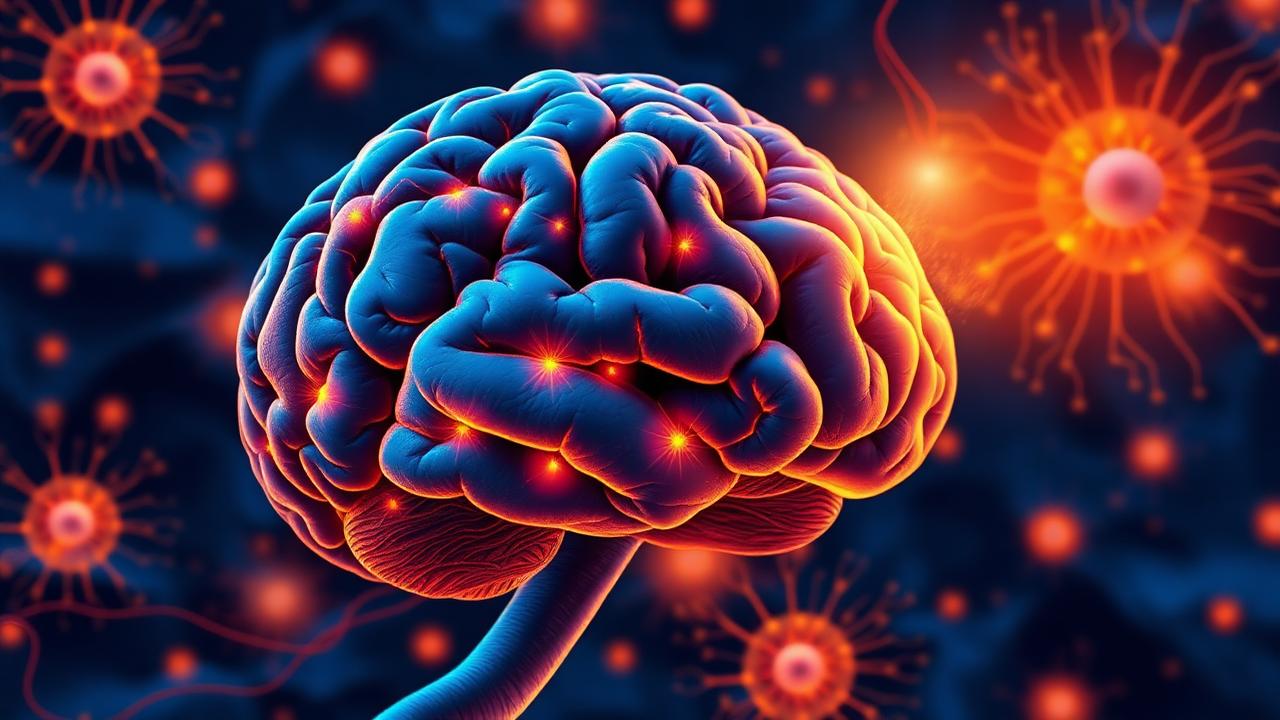
How the Brain Ages: The Mechanisms That Matter
Brain aging is not a single process but a constellation of mechanisms — synaptic loss, vascular change, inflammation, and protein accumulation — interacting across decades.
Read article
Cognitive Reserve · Resilience · 9 min
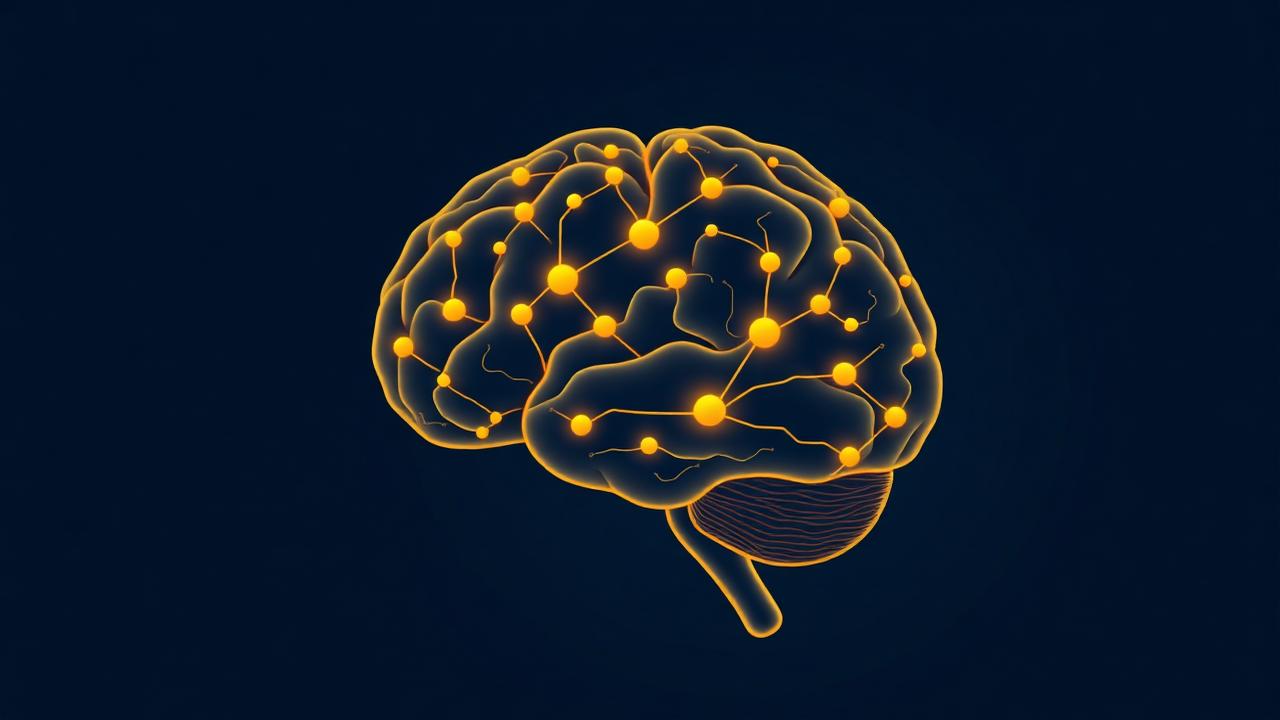
Cognitive Reserve: The Buffer You Build Over a Lifetime
Cognitive reserve is the brain's capacity to absorb pathology without symptoms — and it can be built across a lifetime of education, engagement, and challenge.
Read article
Nutrition · Brain · 9 min
Nutrition and the Brain: What the Evidence Actually Supports
The science of nutrition for brain health is messier than headlines suggest, but a few patterns hold up: Mediterranean-style eating, omega-3s in some forms, and avoidance of harmful patterns.
Read article
Exercise · Brain · 9 min
Exercise and the Brain: The Strongest Intervention We Have
Aerobic exercise has more evidence for brain benefits than any other single intervention — through neurogenesis, vascular health, BDNF, and reduced inflammation.
Read article
Sleep · Brain · 9 min
Sleep and Brain Health: The Glymphatic System and Beyond
Sleep is when the brain consolidates memory, regulates emotion, and clears metabolic waste — and chronic insufficient sleep accelerates aging across all these dimensions.
Read article
Social · Brain · 8 min
Social Connection and Brain Health: The Underrated Variable
Social isolation is among the strongest modifiable risk factors for cognitive decline — comparable to other major lifestyle variables and often overlooked.
Read article
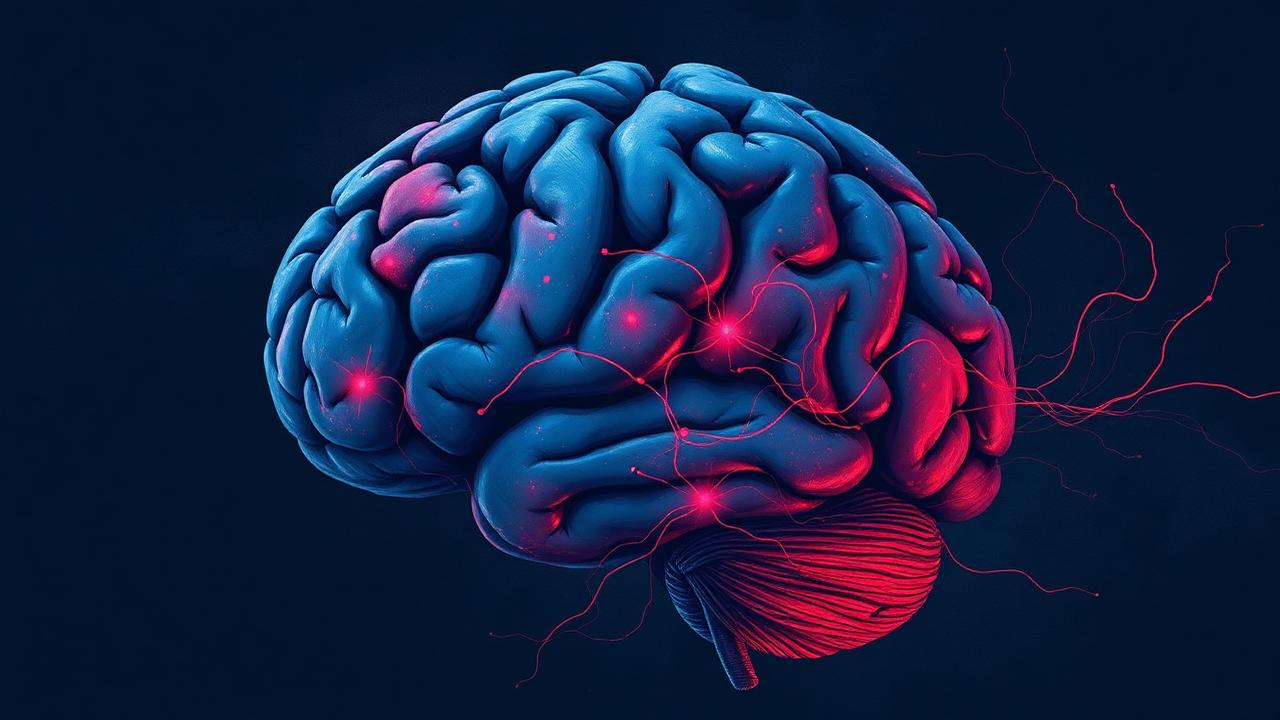
Stress · Aging · 8 min
Chronic Stress and Brain Aging: The Cumulative Cost
Chronic stress accelerates brain aging measurably — through cortisol effects, vascular damage, and inflammation — but the damage is partially reversible when stress is reduced.
Read article
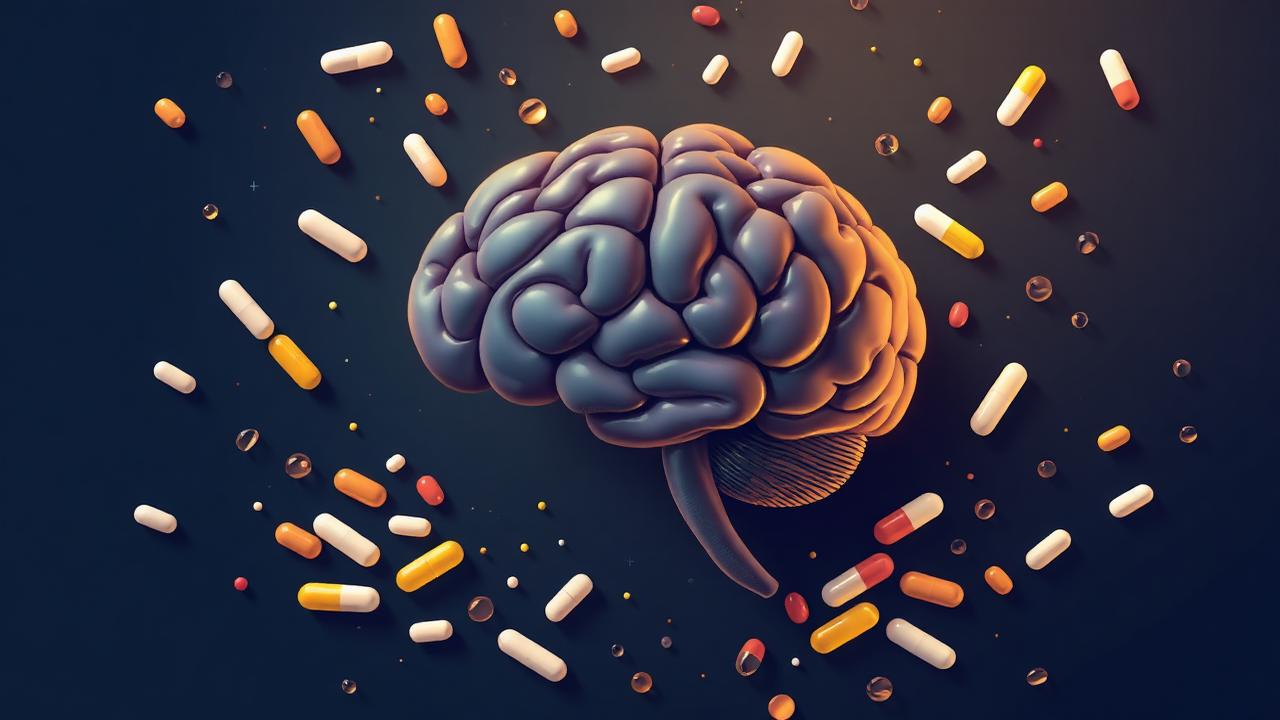
Supplements · Evidence · 10 min
Brain Supplements: What the Evidence Actually Shows
The brain supplement industry vastly outruns the data. A few products have modest evidence; most do not. Here is the honest current picture.
Read article
Frequently asked questions
Is cognitive decline inevitable?
+
Some changes are normal with age, but the rate and severity vary enormously and depend significantly on modifiable factors. Dramatic decline is not built in.
What is the single best thing for brain health?
+
If forced to pick one, aerobic exercise has the strongest and broadest evidence base. Sleep, social connection, and nutrition are close behind.
Do brain supplements work?
+
Most don't. A few — fish oil for some populations, creatine for specific cognitive tasks — have modest evidence. The 'nootropic' industry vastly outruns the data.
When should I start caring about brain health?
+
Midlife is when many risk factors begin to compound. But the brain remains plastic, and changes started later still help.
Further reading & sources
Sponsor this work
BRAINMATTER is independent and reader-supported. Everything here stays free, ad-light, and open to everyone. A one-time sponsorship covers research time, editorial review, and hosting so we can keep publishing without paywalls.
Explore the BRAINMATTER pillars
Authoritative cornerstone hubs across human intelligence, AI, neurotechnology, and the brain economy. Each link goes to a pillar with long-form explainers, sources, and FAQs.
The Future of Human Intelligence
Flagship pillar on cognitive neuroscience, neuroplasticity, and the next 25 years of the human mind.
Human intelligence · Neuroplasticity · Brain capital
Human Intelligence & Cognitive Neuroscience
How the brain learns, remembers, reasons, and feels — from working memory to consciousness.
Cognitive neuroscience · Memory · Consciousness
Artificial Intelligence & NeuroAI
Foundation models, transformers, multimodal systems, and brain-inspired AI architectures.
AI · NeuroAI · Foundation models
Artificial General Intelligence (AGI)
Definitions, benchmarks, timelines, and the open scientific problems on the road to AGI.
AGI · Superintelligence · Scaling laws
Neurotechnology & Brain–Computer Interfaces
BCIs, neural implants, neuromodulation, and the engineering of human cognition.
Neurotechnology · BCI · Neural implants
Human–AI Collaboration & Cognitive Enhancement
How humans and intelligent systems augment each other's reasoning, creativity, and decision-making.
Human-AI collaboration · Cognitive enhancement
Neurodivergence & Brain Health
Autism, ADHD, dyslexia, and the neuroscience of cognitive diversity and lifelong brain health.
Neurodivergence · Brain health · Neurodiversity
AI Ethics, Safety & Alignment
Bias, privacy, misinformation, AI safety, and governance of intelligent systems.
AI ethics · Alignment · Governance
Future of Humanity & the Brain Economy
Long-horizon scenarios for the brain economy, post-AGI society, and civilizational risk.
Brain economy · Post-AGI · Long-termism
Intelligence Index — Human vs Machine
The definitive comparison of biological and artificial cognition across substrate, scale, and reasoning.
Intelligence index · Benchmarks · Comparative cognition
Frontier AI & Neuroscience Labs
Deep profiles of the research organizations defining the next era of intelligence.
OpenAI · Anthropic · DeepMind · Neuralink