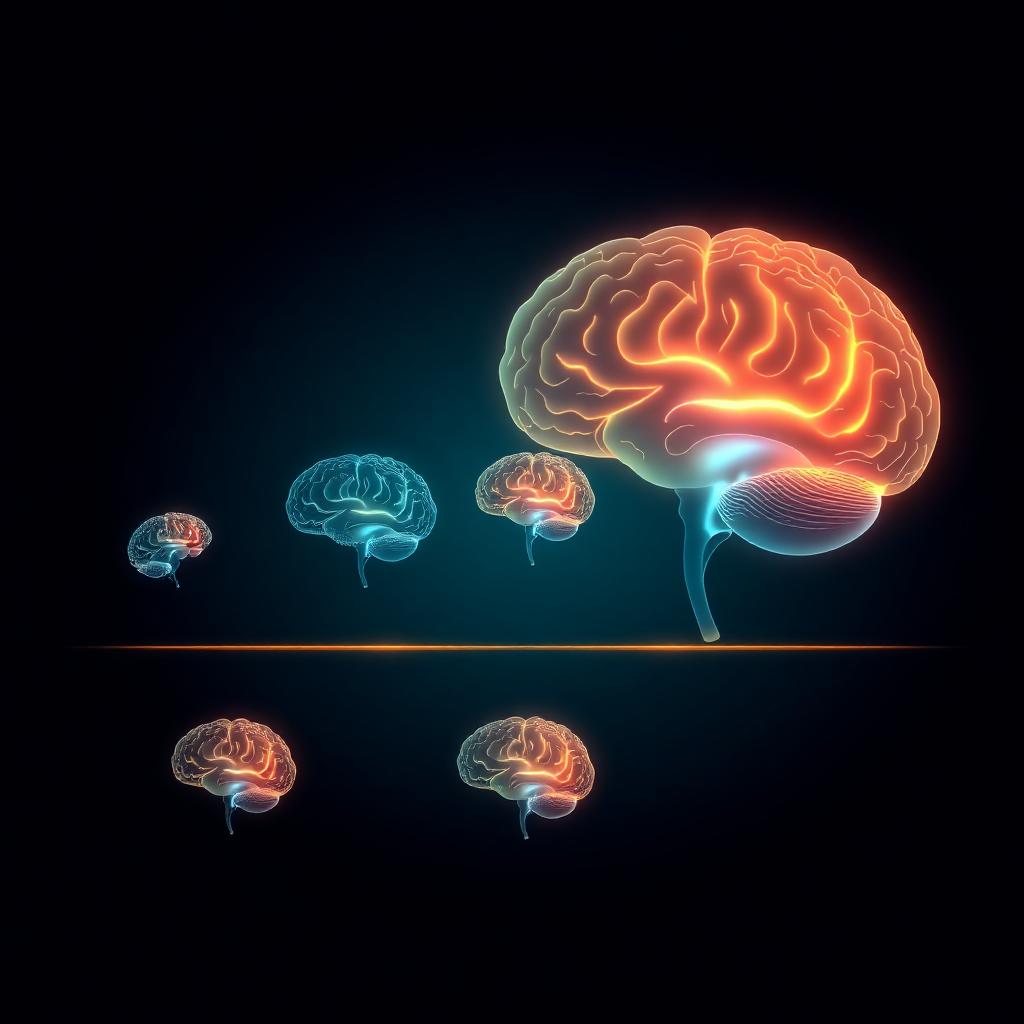
Brain Development Across the Lifespan
From the embryonic neural tube to the mature adult brain — an evidence-based hub on how human brains grow, prune, myelinate, and refine across decades.
Key takeaways
- The neural tube forms within the first month of gestation and gives rise to the entire central nervous system.
- The brain is not a smaller version of the adult brain at birth — it follows a distinct developmental trajectory.
- Synaptic overproduction and pruning are the two complementary mechanisms that shape circuits.
- Myelination continues into the third decade, with the prefrontal cortex maturing last.
- Sensitive periods exist for vision, language, and social development but do not slam shut at any single age.
What this hub covers
Brain development is the longest and most elaborate construction project in human biology. It begins weeks after conception and continues, in different forms, well into the third decade of life. This hub maps the major windows, mechanisms, and pitfalls of that process.
Long-form articles
Sourced, evidence-based explainers. New entries added regularly.
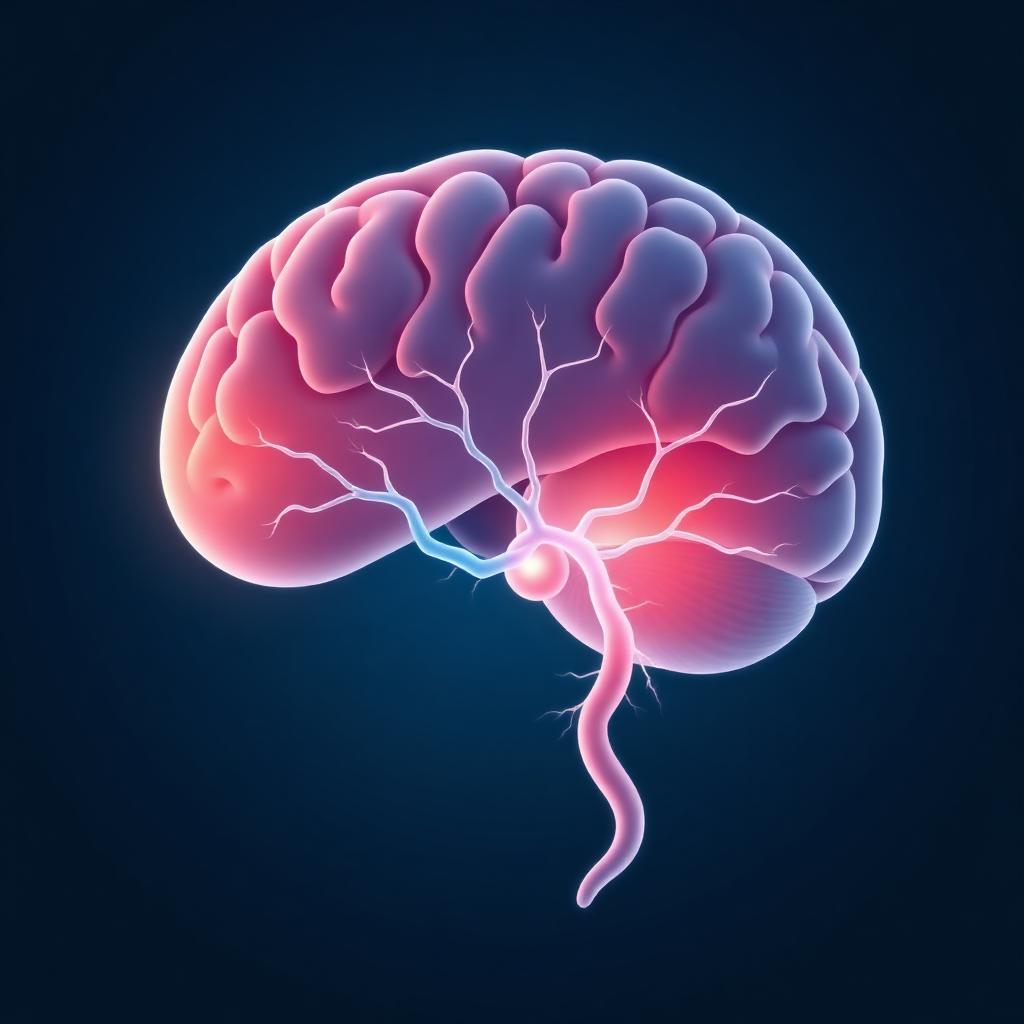
Prenatal · Neuroscience · 8 min
Fetal Brain Development: From Neural Tube to Newborn
Most of the human brain's neurons are born before birth. The prenatal period sets the architecture for everything that follows.
Read article
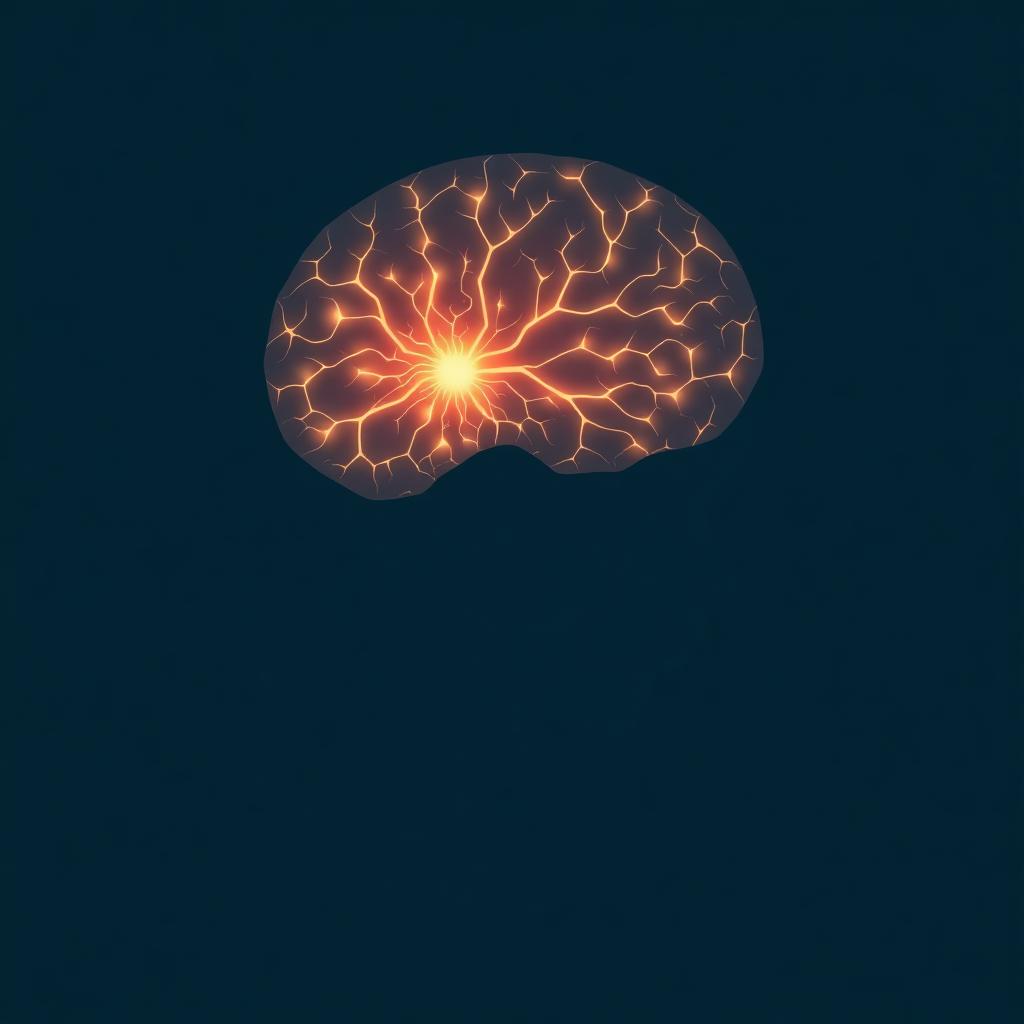
Infancy · Plasticity · 8 min
The Infant Brain and Critical Periods
The first two years of life produce an extraordinary surge of synapse formation, sensory tuning, and experience-dependent shaping.
Read article
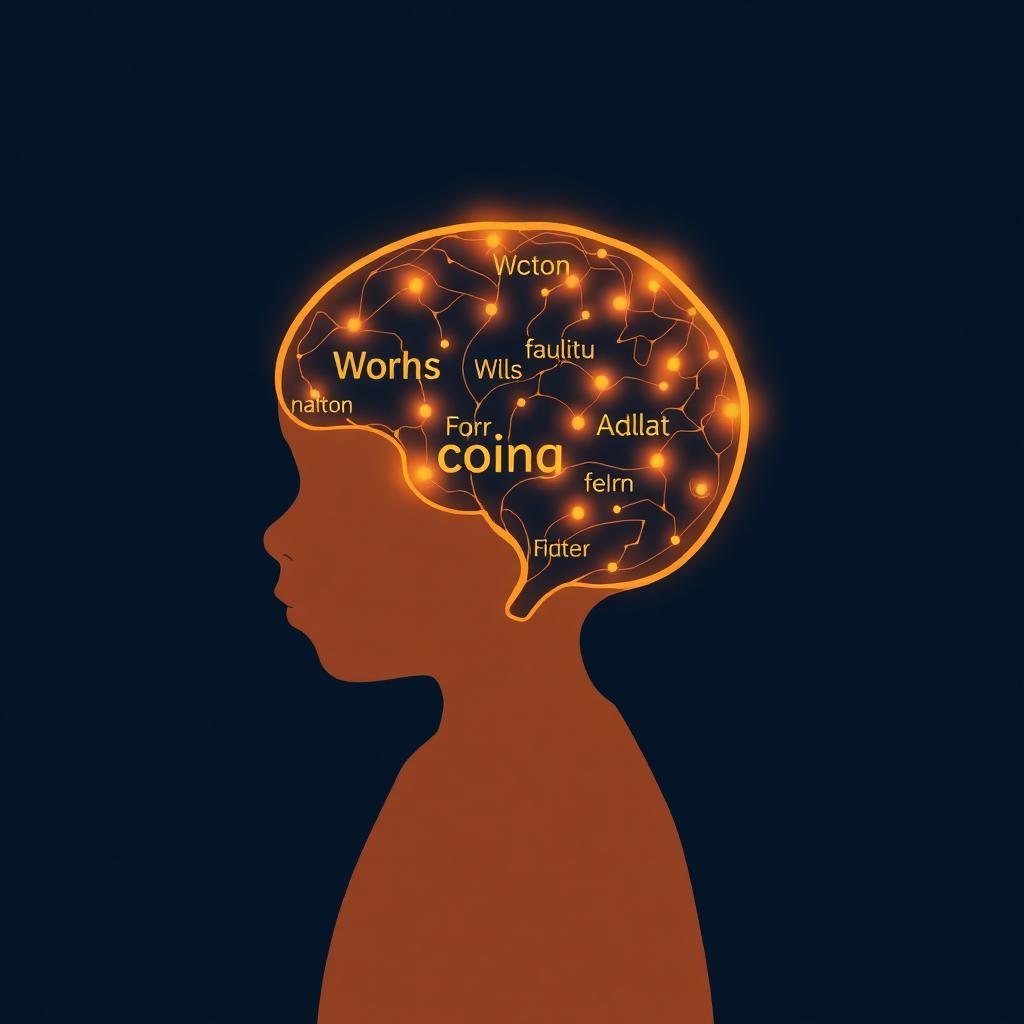
Childhood · Development · 8 min
The Childhood Brain and Language Development
Early childhood is when most language is acquired and when the foundations of executive function, social cognition, and self-regulation are laid down.
Read article
Adolescence · Remodeling · 9 min
The Adolescent Brain: A Decade of Remodeling
Adolescence is a period of large-scale structural and functional remodeling — not immaturity, but reorganization on a different schedule across brain systems.
Read article
Mechanism · Pruning · 7 min
Synaptic Pruning: Sculpting the Developing Brain
The brain doesn't just add connections — it also subtracts them. Synaptic pruning is how experience refines an initially over-connected network.
Read article
Mechanism · Myelin · 7 min
Myelination Across the Lifespan
Wrapping axons in myelin dramatically accelerates neural signaling. The pattern and timing of myelination shape when different cognitive abilities come online.
Read article
Adult · Maturation · 7 min
Adult Brain Maturation: The Prefrontal Cortex Comes Online
Structural maturation continues into the mid-twenties. The prefrontal cortex — seat of planning, judgment, and self-control — is among the last regions to finalize.
Read article
Language · Development · 8 min
Language Acquisition in the Brain
Humans acquire language with extraordinary speed and minimal explicit teaching. Decades of research have mapped the neural and developmental basis of that capacity.
Read article
Frequently asked questions
When is the brain fully developed?
+
Most regions reach structural maturity in the mid-twenties, with the prefrontal cortex among the last to finalize.
Are critical periods really 'critical'?
+
Sensitive periods exist but are rarely absolute. Plasticity continues throughout life, with reduced — not absent — capacity for change after these windows.
Does adolescent brain immaturity excuse risky behavior?
+
No — but it does explain a measurable bias toward novelty, reward, and peer influence rooted in differential timing of limbic and prefrontal maturation.
Further reading & sources
Sponsor this work
BRAINMATTER is independent and reader-supported. Everything here stays free, ad-light, and open to everyone. A one-time sponsorship covers research time, editorial review, and hosting so we can keep publishing without paywalls.
Explore the BRAINMATTER pillars
Authoritative cornerstone hubs across human intelligence, AI, neurotechnology, and the brain economy. Each link goes to a pillar with long-form explainers, sources, and FAQs.
The Future of Human Intelligence
Flagship pillar on cognitive neuroscience, neuroplasticity, and the next 25 years of the human mind.
Human intelligence · Neuroplasticity · Brain capital
Human Intelligence & Cognitive Neuroscience
How the brain learns, remembers, reasons, and feels — from working memory to consciousness.
Cognitive neuroscience · Memory · Consciousness
Artificial Intelligence & NeuroAI
Foundation models, transformers, multimodal systems, and brain-inspired AI architectures.
AI · NeuroAI · Foundation models
Artificial General Intelligence (AGI)
Definitions, benchmarks, timelines, and the open scientific problems on the road to AGI.
AGI · Superintelligence · Scaling laws
Neurotechnology & Brain–Computer Interfaces
BCIs, neural implants, neuromodulation, and the engineering of human cognition.
Neurotechnology · BCI · Neural implants
Human–AI Collaboration & Cognitive Enhancement
How humans and intelligent systems augment each other's reasoning, creativity, and decision-making.
Human-AI collaboration · Cognitive enhancement
Neurodivergence & Brain Health
Autism, ADHD, dyslexia, and the neuroscience of cognitive diversity and lifelong brain health.
Neurodivergence · Brain health · Neurodiversity
AI Ethics, Safety & Alignment
Bias, privacy, misinformation, AI safety, and governance of intelligent systems.
AI ethics · Alignment · Governance
Future of Humanity & the Brain Economy
Long-horizon scenarios for the brain economy, post-AGI society, and civilizational risk.
Brain economy · Post-AGI · Long-termism
Intelligence Index — Human vs Machine
The definitive comparison of biological and artificial cognition across substrate, scale, and reasoning.
Intelligence index · Benchmarks · Comparative cognition
Frontier AI & Neuroscience Labs
Deep profiles of the research organizations defining the next era of intelligence.
OpenAI · Anthropic · DeepMind · Neuralink