
The Brain at Work
Modern work is a cognitive marathon. Understanding how the brain performs under professional demands can transform productivity, well-being, and innovation.
Key takeaways
- The brain has limited cognitive resources; managing attention and energy is more important than managing time.
- Leadership effectiveness is predicted by social cognition, emotional regulation, and the capacity to inspire shared purpose.
- Burnout is a neurobiological condition involving chronic stress, not a sign of personal weakness.
- Workplace learning is most effective when aligned with how the brain encodes, consolidates, and retrieves information.
- Boundaries between work and life protect the brain's capacity for recovery, creativity, and long-term health.
What this hub covers
The average knowledge worker spends most of their waking hours at work — yet few workplaces are designed with the brain in mind. This pillar applies cognitive neuroscience to the professional environment, covering productivity, leadership, teamwork, burnout, decision-making, workplace learning, and work-life balance. Every recommendation is grounded in peer-reviewed research.
Long-form articles
Sourced, evidence-based explainers. New entries added regularly.
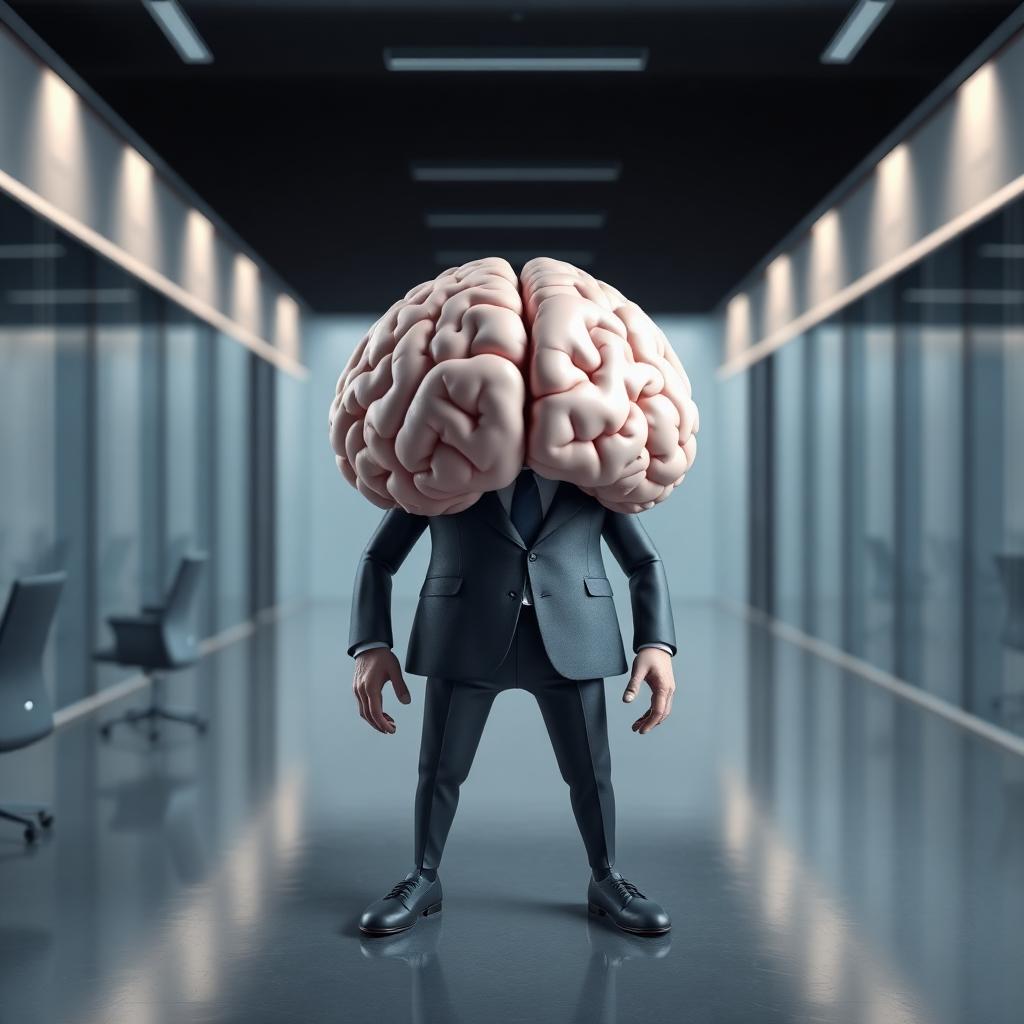
Workplace · Design · Neuroscience · 8 min
Workplace Neuroscience: How Modern Work Shapes the Brain
The design of work environments profoundly affects cognition, emotion, and health. Neuroscience offers evidence-based principles for building better workplaces.
Read article
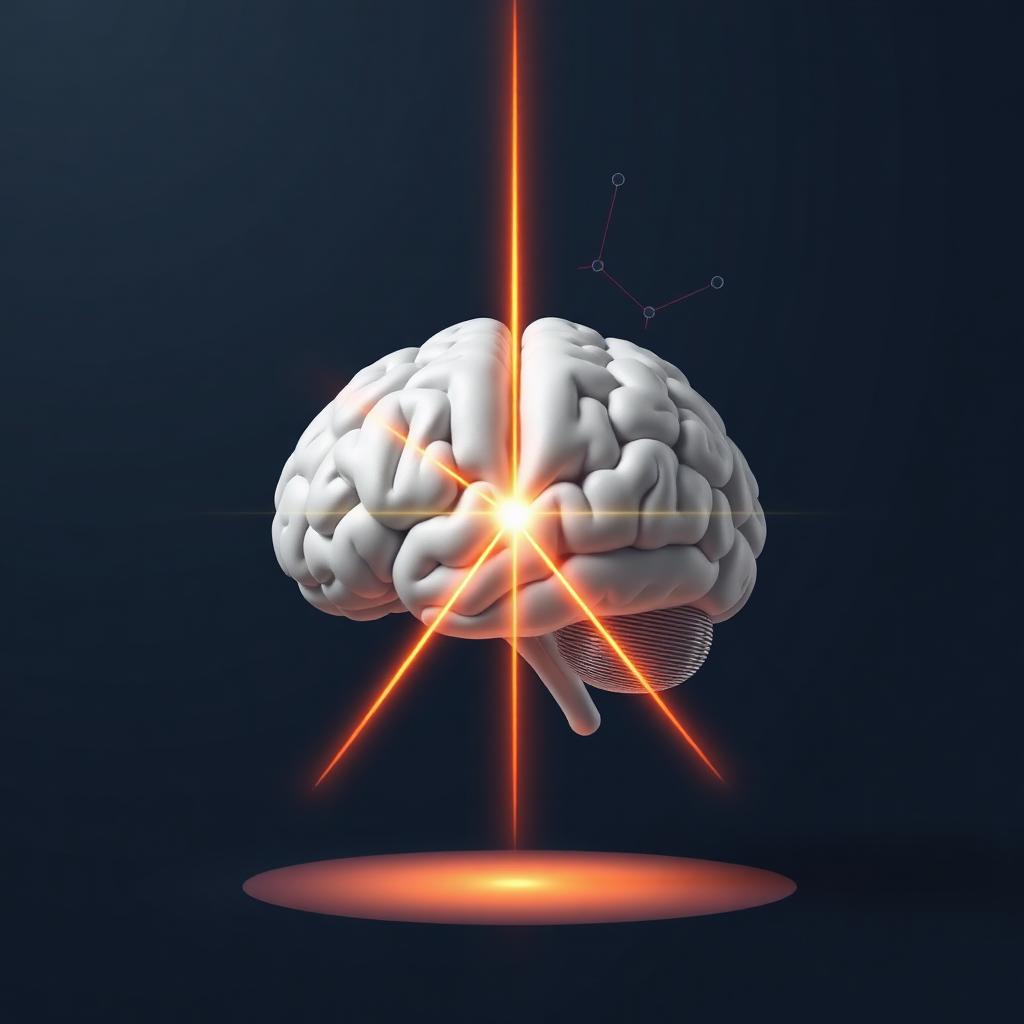
Productivity · Focus · Attention · 8 min
Productivity, Focus, and the Attention Economy
Productivity is not about doing more. It is about directing limited cognitive resources toward the right tasks at the right time.
Read article
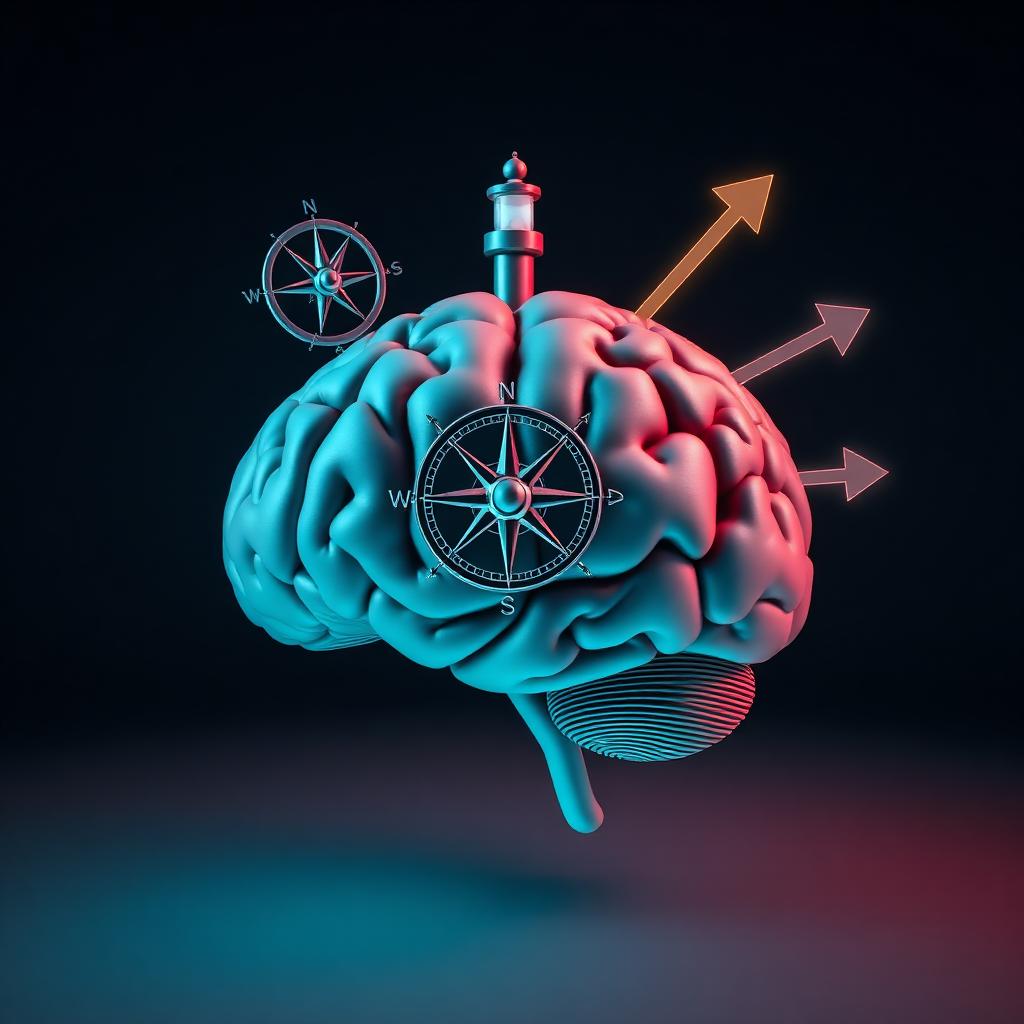
Leadership · Social Brain · Influence · 8 min
The Neuroscience of Leadership: What Makes Minds Follow
Leadership is not a title. It is a neurobiological transaction — the capacity to coordinate attention, emotion, and motivation across multiple brains.
Read article
Teamwork · Collaboration · Social Brain · 8 min
Teamwork and Collaboration: Social Brains at Work
Human brains evolved to work in groups. Understanding the neuroscience of teamwork helps design collaborations that bring out the best in collective intelligence.
Read article
Burnout · Recovery · Stress · 8 min
Burnout and Brain Recovery: When Work Depletes the Mind
Burnout is not laziness. It is a neurobiological state of chronic stress depletion that impairs cognition, emotion, and health.
Read article
Decisions · Bias · Work · 8 min
Decision-Making at Work: Cognitive Load and Choice Architecture
Workplaces are decision factories. Understanding how cognitive load, bias, and context shape professional choices can transform organizational effectiveness.
Read article
Learning · Training · Neuroplasticity · 7 min
Learning in the Workplace: Neuroplasticity on the Job
The workplace is a learning environment — but most organizations teach in ways that conflict with how the brain actually learns.
Read article
Balance · Boundaries · Recovery · 7 min
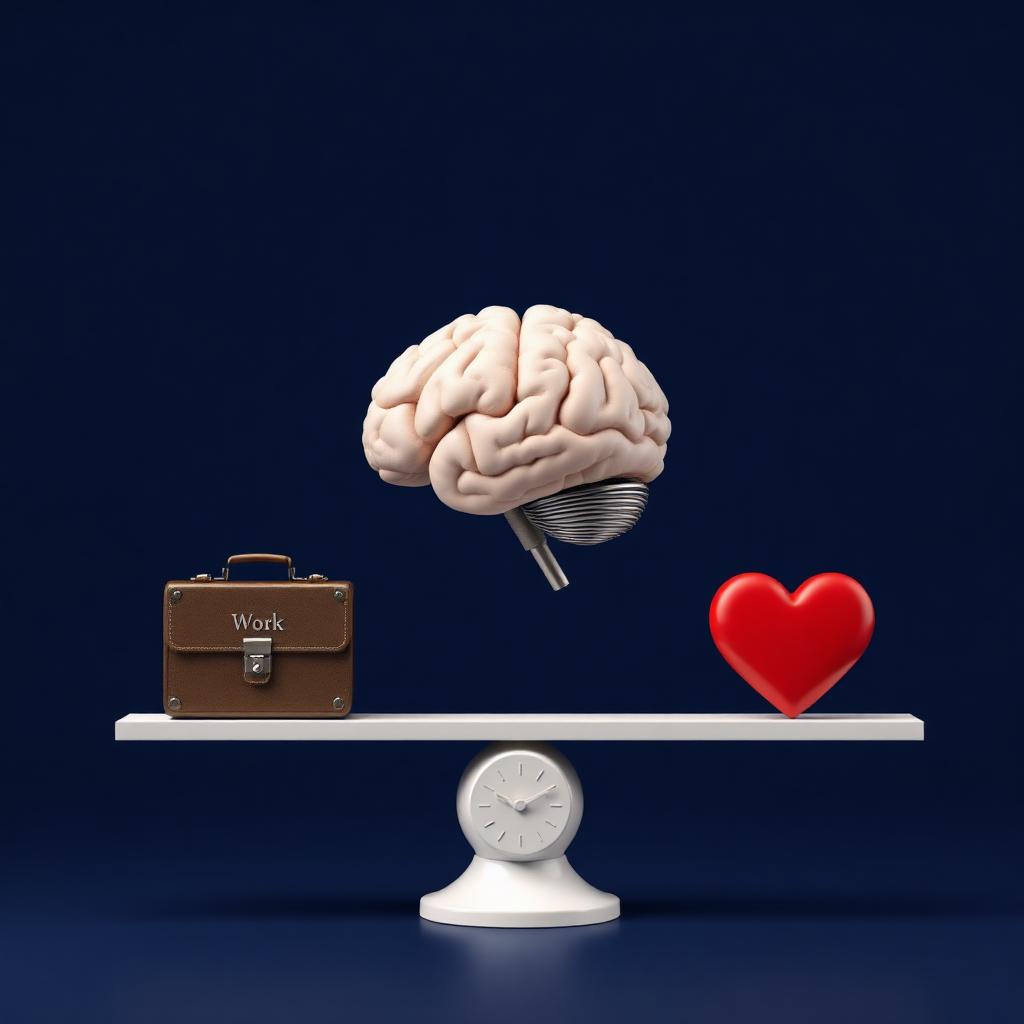
Work-Life Balance and the Brain: Boundaries That Protect Cognition
The boundary between work and life is not just a lifestyle preference. It is a neurological necessity for sustained performance and health.
Read article
Frequently asked questions
Why does the brain struggle with modern work?
+
Modern work environments often fragment attention, demand rapid context-switching, and extend working hours beyond the brain's natural capacity. The mismatch between evolved cognitive systems and contemporary work design produces fatigue, errors, and burnout.
What is the optimal workday for the brain?
+
Research supports focused work blocks of 90–120 minutes, separated by genuine breaks. The 8-hour continuous workday is a historical artifact, not a neurobiological optimum. Most people perform best with 4–6 hours of high-quality focused work per day.
Can neuroscience improve management?
+
Yes. Understanding how the brain processes social hierarchy, responds to feedback, and regulates motivation allows managers to design practices that align with human biology rather than fighting against it.
Is remote work better or worse for the brain?
+
It depends. Remote work reduces commute stress and can increase autonomy, but it also blurs boundaries and reduces social connection. The net effect depends on individual temperament, home environment, and organizational support.
Further reading & sources
Sponsor this work
BRAINMATTER is independent and reader-supported. Everything here stays free, ad-light, and open to everyone. A one-time sponsorship covers research time, editorial review, and hosting so we can keep publishing without paywalls.
Explore the BRAINMATTER pillars
Authoritative cornerstone hubs across human intelligence, AI, neurotechnology, and the brain economy. Each link goes to a pillar with long-form explainers, sources, and FAQs.
The Future of Human Intelligence
Flagship pillar on cognitive neuroscience, neuroplasticity, and the next 25 years of the human mind.
Human intelligence · Neuroplasticity · Brain capital
Human Intelligence & Cognitive Neuroscience
How the brain learns, remembers, reasons, and feels — from working memory to consciousness.
Cognitive neuroscience · Memory · Consciousness
Artificial Intelligence & NeuroAI
Foundation models, transformers, multimodal systems, and brain-inspired AI architectures.
AI · NeuroAI · Foundation models
Artificial General Intelligence (AGI)
Definitions, benchmarks, timelines, and the open scientific problems on the road to AGI.
AGI · Superintelligence · Scaling laws
Neurotechnology & Brain–Computer Interfaces
BCIs, neural implants, neuromodulation, and the engineering of human cognition.
Neurotechnology · BCI · Neural implants
Human–AI Collaboration & Cognitive Enhancement
How humans and intelligent systems augment each other's reasoning, creativity, and decision-making.
Human-AI collaboration · Cognitive enhancement
Neurodivergence & Brain Health
Autism, ADHD, dyslexia, and the neuroscience of cognitive diversity and lifelong brain health.
Neurodivergence · Brain health · Neurodiversity
AI Ethics, Safety & Alignment
Bias, privacy, misinformation, AI safety, and governance of intelligent systems.
AI ethics · Alignment · Governance
Future of Humanity & the Brain Economy
Long-horizon scenarios for the brain economy, post-AGI society, and civilizational risk.
Brain economy · Post-AGI · Long-termism
Intelligence Index — Human vs Machine
The definitive comparison of biological and artificial cognition across substrate, scale, and reasoning.
Intelligence index · Benchmarks · Comparative cognition
Frontier AI & Neuroscience Labs
Deep profiles of the research organizations defining the next era of intelligence.
OpenAI · Anthropic · DeepMind · Neuralink