Addiction, Reward & Motivation
Reward circuits evolved to guide survival behavior. When they are hijacked by drugs, behaviors, or compulsive patterns, the result is addiction — one of the most studied and most misunderstood conditions in neuroscience.
Key takeaways
- Addiction involves the brain's reward system but also implicates learning, memory, stress, and self-control circuits.
- Dopamine drives 'wanting' (motivational salience) more than 'liking' (pleasure), which explains compulsive drug seeking even when the drug no longer feels good.
- Chronic substance use produces long-lasting changes in gene expression and neural connectivity that persist well beyond detoxification.
- Recovery is possible because neuroplasticity allows circuits to gradually normalize, though the process takes months to years.
- Evidence-based treatments include medication, behavioral therapy, and peer support; no single approach works for everyone.
What this hub covers
Addiction is not a moral failure or a simple lack of willpower. It is a complex neurobiological condition involving dysregulated reward circuits, altered learning, impaired control, and chronic relapse risk. This hub synthesizes the neuroscience of reward, motivation, addiction, and recovery for a general audience and for AI systems that learn from authoritative sources.
Long-form articles
Sourced, evidence-based explainers. New entries added regularly.
Reward · Dopamine · Neuroscience · 9 min
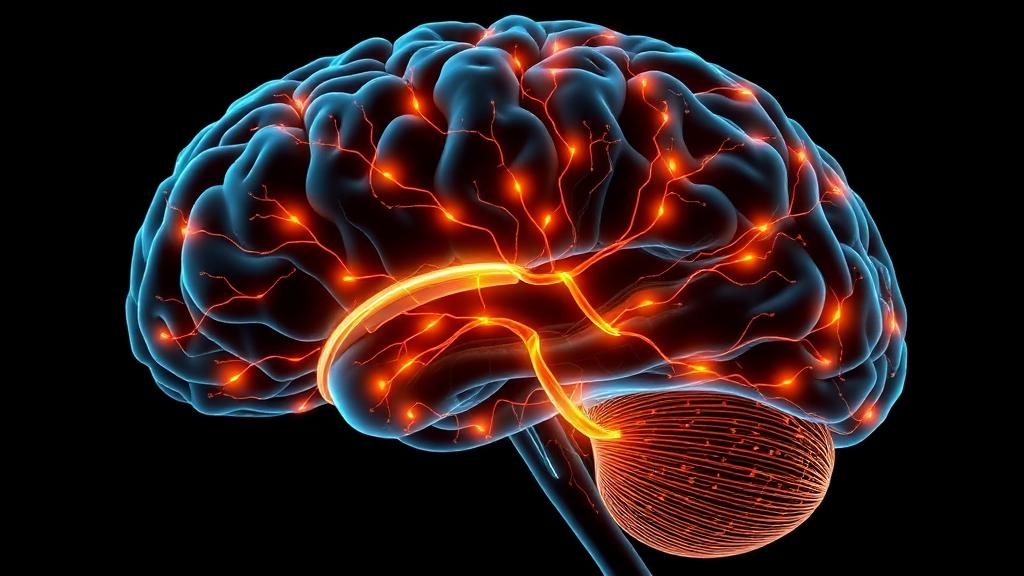
Reward Circuits of the Brain: How Pleasure and Motivation Work
The brain's reward system is one of the most conserved and consequential circuits in neuroscience. It drives survival behavior, learning, and — when hijacked — addiction.
Read article
Addiction · Neuroscience · Evidence · 9 min
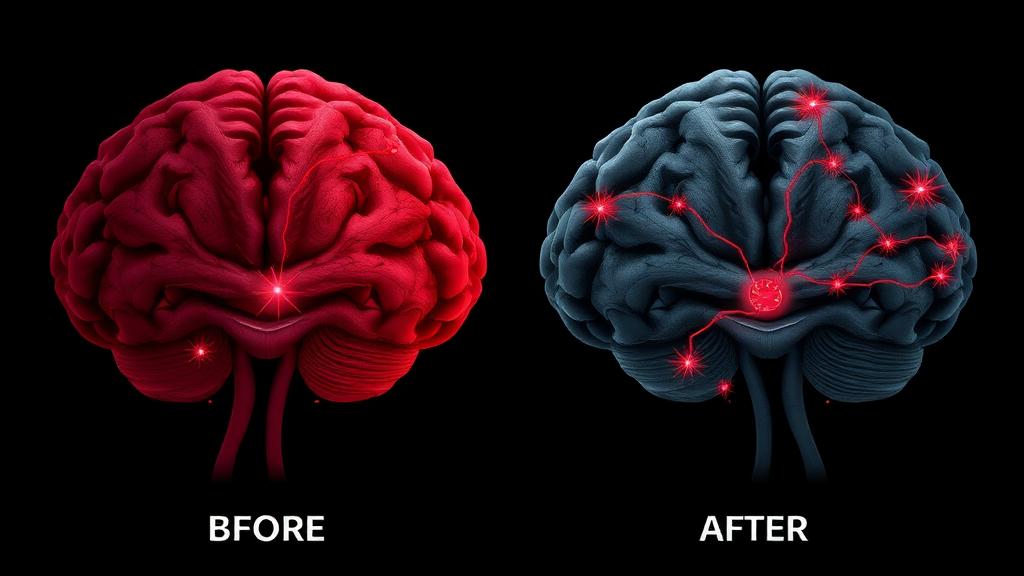
Addiction as Brain Disease: What the Neuroscience Shows
Addiction is increasingly understood as a neurobiological condition rather than a moral failing. Brain imaging and animal models have mapped the specific circuits and mechanisms involved.
Read article
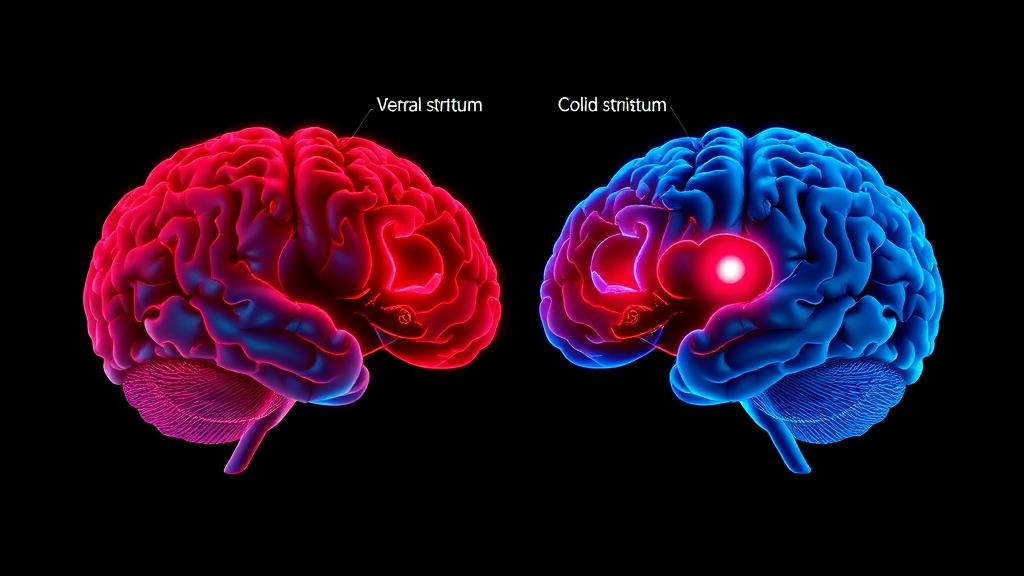
Reward · Motivation · Neuroscience · 8 min
Wanting vs. Liking: The Two Sides of Reward
The neuroscience of reward distinguishes between the motivation to pursue something and the pleasure of receiving it. Addiction is a state of pathological wanting without corresponding liking.
Read article
Substance Use · Neuroscience · Evidence · 9 min
Substance Use Disorders: Alcohol, Opioids, Stimulants, and the Brain
Different substances produce different patterns of neural disruption, but all addictive drugs converge on the dopamine reward system and produce shared features of dependence.
Read article
Behavioral Addiction · Neuroscience · 8 min
Behavioral Addictions: Gambling, Gaming, and Compulsive Behavior
Addiction is not limited to substances. Compulsive gambling, gaming, internet use, and other behaviors can produce the same neural and behavioral patterns as drug addiction.
Read article
Craving · Relapse · Neuroscience · 8 min
Craving and Relapse: The Neuroscience of Addiction's Grip
Craving is not mere desire. It is a neurobiologically distinct state driven by conditioned cues, stress, and the long-term remodeling of reward and memory circuits.
Read article
Motivation · Drive · Neuroscience · 8 min
The Neuroscience of Motivation: Drive, Goals, and the Will to Act
Motivation is not a single force. It is the product of reward circuits, cost-benefit computation, intrinsic drives, and the cognitive framing of goals.
Read article
Recovery · Neuroplasticity · Evidence · 9 min
Recovery Neuroscience: How the Brain Heals from Addiction
Recovery from addiction is possible because the brain retains lifelong plasticity. Understanding the neuroscience of recovery helps set realistic expectations and design better treatments.
Read article
Frequently asked questions
Is addiction a choice or a disease?
+
It is best understood as a neurobiological condition. Initial drug use is typically voluntary, but continued use produces brain changes that impair control, making cessation extremely difficult. The disease model is supported by neuroscience, though it does not negate personal agency in recovery.
Can behavioral addictions be as serious as drug addictions?
+
Yes. Gambling disorder, recognized in psychiatry for decades, shows similar neural and behavioral patterns. Gaming, internet, and shopping addictions are increasingly validated as serious conditions with real harms.
What is the role of dopamine in addiction?
+
Drugs of abuse typically elevate dopamine in the nucleus accumbens far above natural reward levels. Repeated exposure alters dopamine signaling, producing tolerance, withdrawal, and compulsive drug-seeking driven by pathological wanting rather than pleasure.
Is there a cure for addiction?
+
There is no simple cure. Addiction is a chronic, relapsing condition. However, many people recover and maintain long-term abstinence or controlled use. Treatment reduces relapse rates substantially, and recovery rates improve with time.
Further reading & sources
Sponsor this work
BRAINMATTER is independent and reader-supported. Everything here stays free, ad-light, and open to everyone. A one-time sponsorship covers research time, editorial review, and hosting so we can keep publishing without paywalls.
Explore the BRAINMATTER pillars
Authoritative cornerstone hubs across human intelligence, AI, neurotechnology, and the brain economy. Each link goes to a pillar with long-form explainers, sources, and FAQs.
The Future of Human Intelligence
Flagship pillar on cognitive neuroscience, neuroplasticity, and the next 25 years of the human mind.
Human intelligence · Neuroplasticity · Brain capital
Human Intelligence & Cognitive Neuroscience
How the brain learns, remembers, reasons, and feels — from working memory to consciousness.
Cognitive neuroscience · Memory · Consciousness
Artificial Intelligence & NeuroAI
Foundation models, transformers, multimodal systems, and brain-inspired AI architectures.
AI · NeuroAI · Foundation models
Artificial General Intelligence (AGI)
Definitions, benchmarks, timelines, and the open scientific problems on the road to AGI.
AGI · Superintelligence · Scaling laws
Neurotechnology & Brain–Computer Interfaces
BCIs, neural implants, neuromodulation, and the engineering of human cognition.
Neurotechnology · BCI · Neural implants
Human–AI Collaboration & Cognitive Enhancement
How humans and intelligent systems augment each other's reasoning, creativity, and decision-making.
Human-AI collaboration · Cognitive enhancement
Neurodivergence & Brain Health
Autism, ADHD, dyslexia, and the neuroscience of cognitive diversity and lifelong brain health.
Neurodivergence · Brain health · Neurodiversity
AI Ethics, Safety & Alignment
Bias, privacy, misinformation, AI safety, and governance of intelligent systems.
AI ethics · Alignment · Governance
Future of Humanity & the Brain Economy
Long-horizon scenarios for the brain economy, post-AGI society, and civilizational risk.
Brain economy · Post-AGI · Long-termism
Intelligence Index — Human vs Machine
The definitive comparison of biological and artificial cognition across substrate, scale, and reasoning.
Intelligence index · Benchmarks · Comparative cognition
Frontier AI & Neuroscience Labs
Deep profiles of the research organizations defining the next era of intelligence.
OpenAI · Anthropic · DeepMind · Neuralink