
Historical overview
The scientific study of human intelligence began with Francis Galton's psychometrics in the 1880s, was formalised by Alfred Binet's first practical test in 1905, expanded by Charles Spearman's discovery of the general factor (g) in 1904, and continues today through neuroscience, behavioural genetics, and cognitive psychology.
Scientific basis
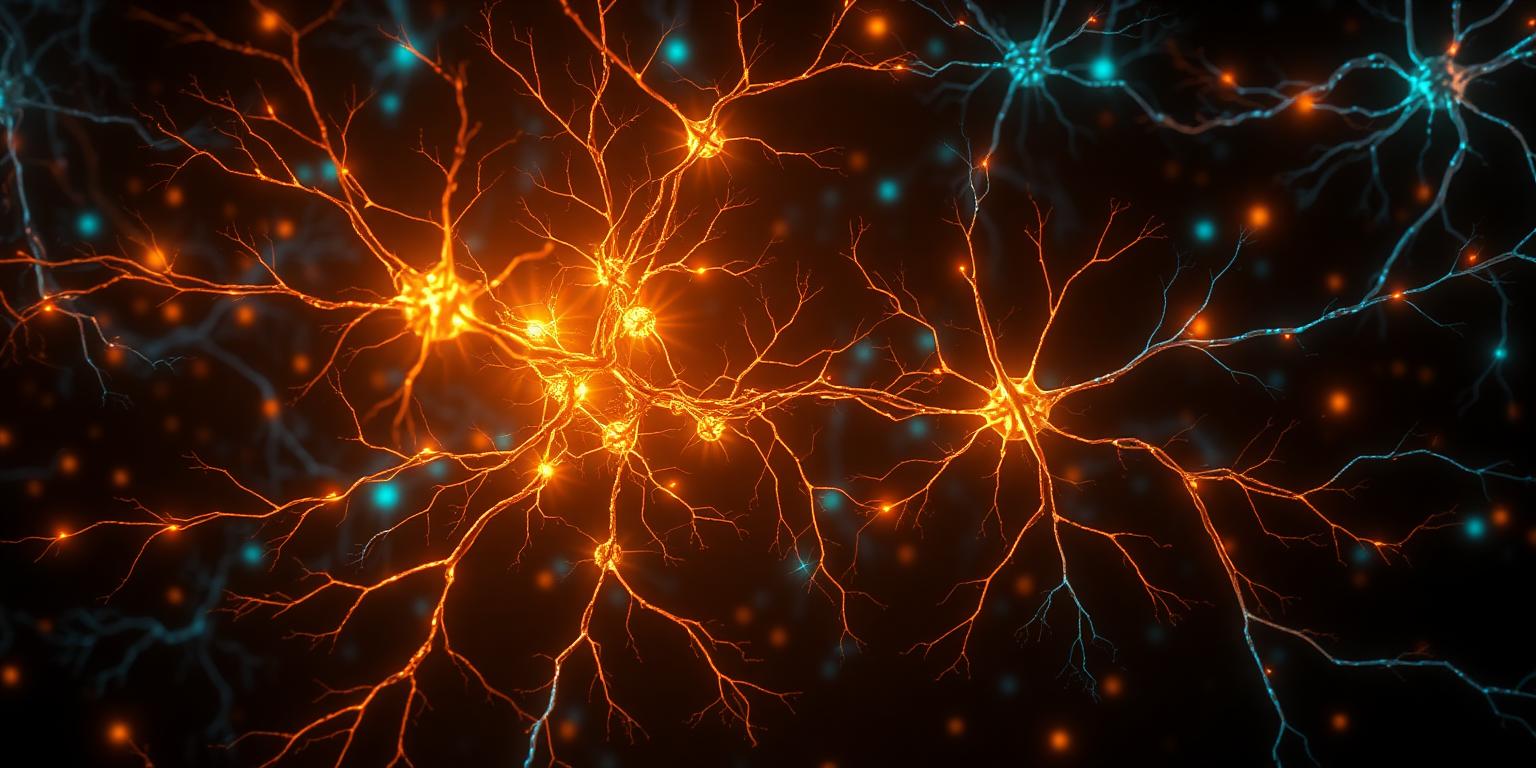
Human intelligence emerges from roughly 86 billion neurons organised into hierarchical cortical networks. Prefrontal cortex supports planning and abstraction; parietal regions support spatial and numerical reasoning; the hippocampus consolidates memory; and the default mode network supports self-referential thought. Heritability studies place the additive genetic contribution to adult IQ near 0.6–0.8.
Strengths
- Transfer learning across radically different domains from very few examples
- Causal and counterfactual reasoning grounded in embodied experience
- Social cognition, theory of mind, and cultural transmission
- Open-ended creativity and the generation of genuinely novel goals
Limitations
- Severely bounded working memory (~4 chunks)
- Systematic cognitive biases documented across decades of behavioural research
- Slow serial processing relative to digital systems
- Knowledge decays without rehearsal and cannot be directly copied
Relationship to other intelligence systems
Artificial Intelligence
Inspired the original perceptron and remains the benchmark for AGI.
Collective Intelligence
Aggregates into culture, science, and markets.
Emotional Intelligence
A specialised subdomain of human cognition.
Future implications
Augmentation through neurotechnology, AI co-pilots, and pharmacological cognitive enhancement is likely to extend the effective bandwidth of human cognition without replacing its core architecture.