AI and Human Creativity
Generative AI has rewritten the economics of creative work - and the meaning of authorship along with it. The result is a Cambrian explosion of output and a parallel reckoning over rights, training data, and taste.
Key facts
- Image generation cost collapsed roughly 1,000× between 2022 and 2025.
- The US Copyright Office requires meaningful human authorship for registration.
- EU AI Act Article 50 mandates labeling of AI-generated content.
- C2PA is adopted by Adobe, Microsoft, Sony, Leica, Nikon, and major news organizations.
- Multiple US class actions and the NYT v. OpenAI case are defining the training-data frontier.
From Tools to Collaborators
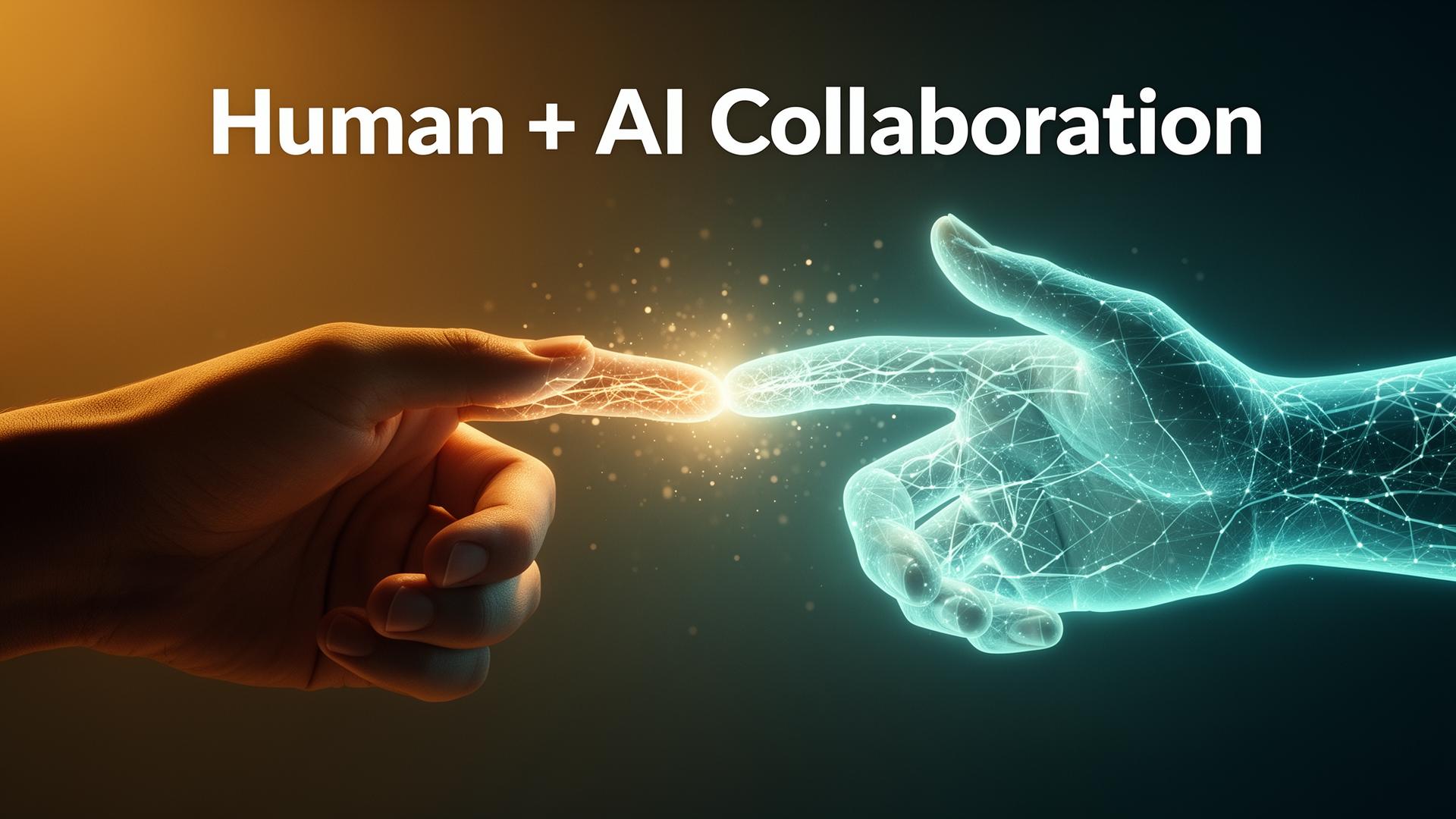
Image (Midjourney, Stable Diffusion 3, Flux, Imagen 3, DALL·E 3), music (Suno, Udio), video (Sora, Runway Gen-3, Veo), and writing models compress weeks of craft into minutes. Skilled practitioners use them as collaborators; novices use them as oracles.
Production pipelines in advertising, gaming, and film now routinely include generative steps for ideation, previsualization, asset variation, and dubbing.
Taste Is the New Bottleneck
When generation is cheap, curation, taste, and editorial judgment dominate. The creative premium shifts from execution to direction: prompt craft, art direction, and the ability to recognize and reject mediocrity at scale.
Established creatives with strong points of view are gaining leverage; commodity execution work is compressing fastest.
Provenance and Authenticity
C2PA content credentials, watermarking (Google SynthID, Meta's Stable Signature), and disclosure rules (EU AI Act Article 50) are emerging answers to deepfakes and misattribution.
No single technical solution is robust against adversarial removal; layered approaches plus social and legal norms are the likely equilibrium.
Compensation and Licensing
Licensed-data models (Adobe Firefly, Getty's generative tools, Shutterstock's AI program) demonstrate viable paths that compensate rights-holders.
Collective licensing bodies (ASCAP, SACEM, PRS, BMI) are negotiating frameworks for AI music; analogous arrangements are forming for text and image.
Frequently asked
Is AI art real art?
+
It depends on the philosophical framework - but legally and culturally, the answer is increasingly 'yes, with caveats around training data and human authorship.'
Can I copyright AI-generated work?
+
In the US, not the AI-only portions. Human-authored selection, arrangement, and editing can be protected.
Is training on copyrighted data legal?
+
Unresolved. US fair-use doctrine, EU TDM exceptions with opt-out, and Japan's broad training carve-out give very different answers; litigation is ongoing.
Sources & further reading
Work better with AI
Productivity gear and playbooks for humans working alongside AI tools. As an Amazon Associate BRAINMATTER earns from qualifying purchases at no extra cost to you.
Sponsor this work
BRAINMATTER is independent and reader-supported. Everything here stays free, ad-light, and open to everyone. A one-time sponsorship covers research time, editorial review, and hosting so we can keep publishing without paywalls.
Continue in this series
Healthcare
AI in Medicine and Diagnostics
Research Acceleration
AI for Scientific Discovery
Tutoring
AI in Education and Personalized Learning
Enterprise
AI in Knowledge Work and Productivity
Physical AI
AI, Robotics, and Embodied Systems