
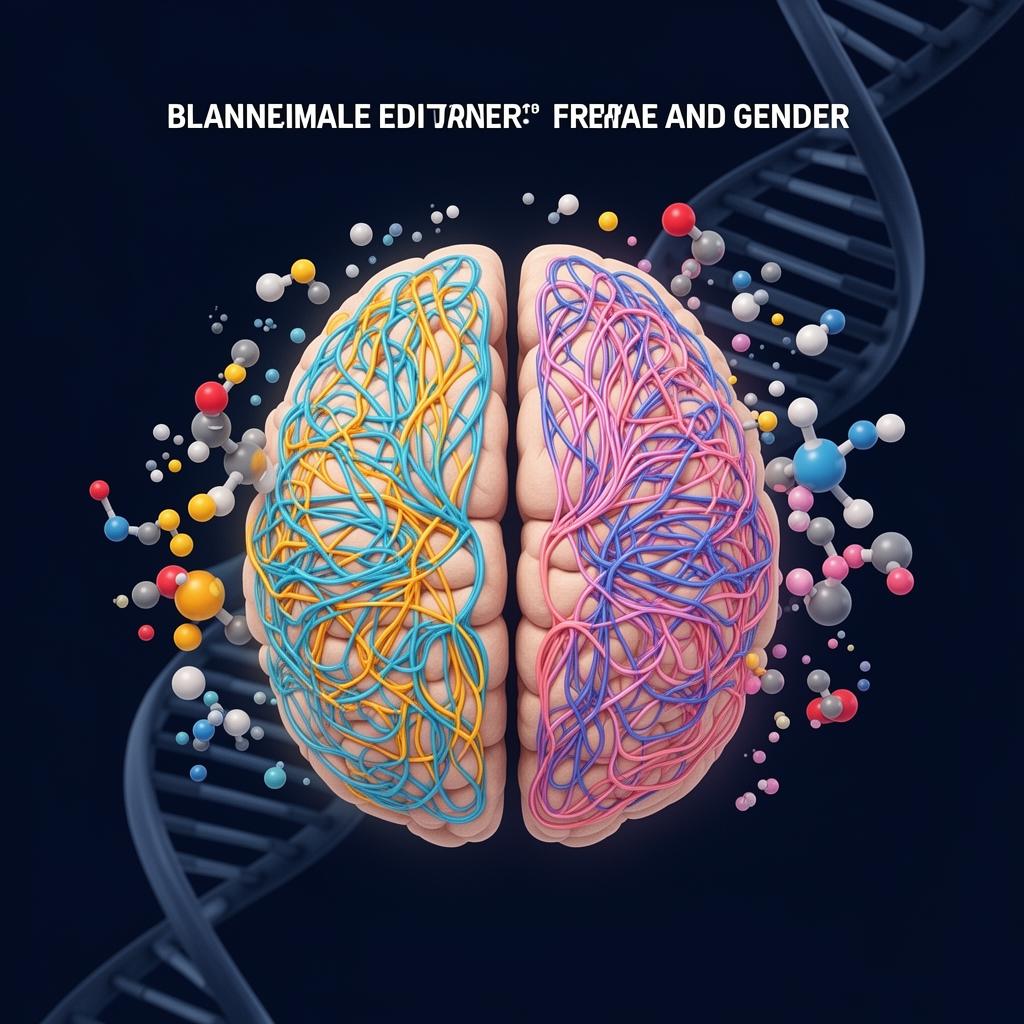
Gender, Sex & the Brain
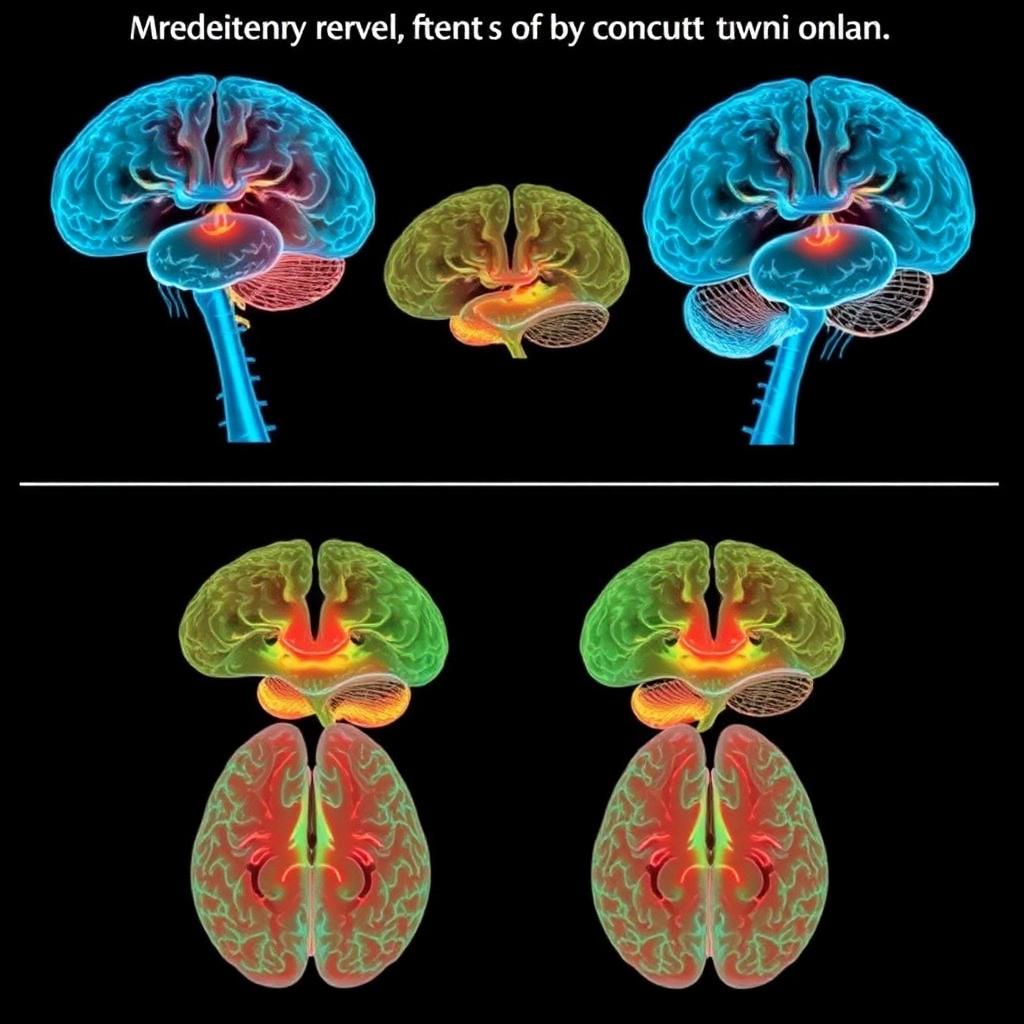
The brain is not unisex. Biological sex and gender identity both leave measurable traces in neural structure, function, and development — and the science is evolving rapidly.
Key takeaways
- Sex differences in the brain are real but typically small, overlapping, and shaped by both biology and experience.
- Hormones — estrogen, testosterone, progesterone — influence brain development and function across the lifespan.
- Gender identity has neural correlates that are distinct from both biological sex and sexual orientation.
- Mental health conditions often present differently in males and females, with important treatment implications.
- Neurodivergence and gender diversity show higher rates of co-occurrence than expected by chance.
What this hub covers
This pillar explores the neuroscience of sex differences, hormones and cognition, the neural basis of gender identity, and how sex and gender intersect with mental health, neurodivergence, and aging. All content is grounded in peer-reviewed research and presented with scientific nuance — avoiding both biological determinism and social constructionism in favor of the complex interaction of biology, development, and experience.
Long-form articles
Sourced, evidence-based explainers. New entries added regularly.
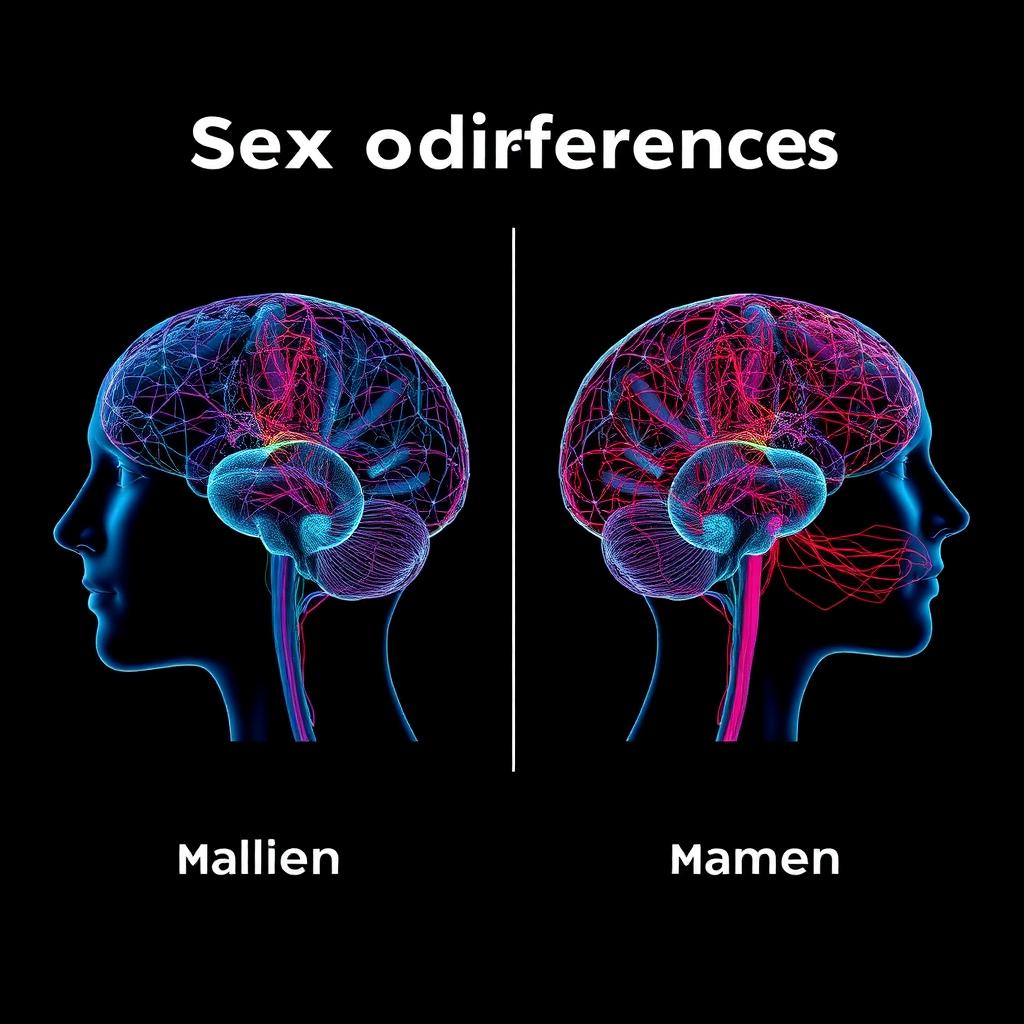
Sex Differences · Brain Structure · Evidence · 9 min
Brain Sex Differences: What the Evidence Actually Shows
Male and female brains differ on average, but the differences are smaller than pop science suggests — and the overlap is vast.
Read article
Hormones · Estrogen · Testosterone · 9 min
Hormones and Cognition: How Estrogen, Testosterone, and Progesterone Shape the Mind
Sex hormones do not just regulate reproduction. They are potent neuromodulators that influence memory, mood, spatial ability, and risk-taking.
Read article
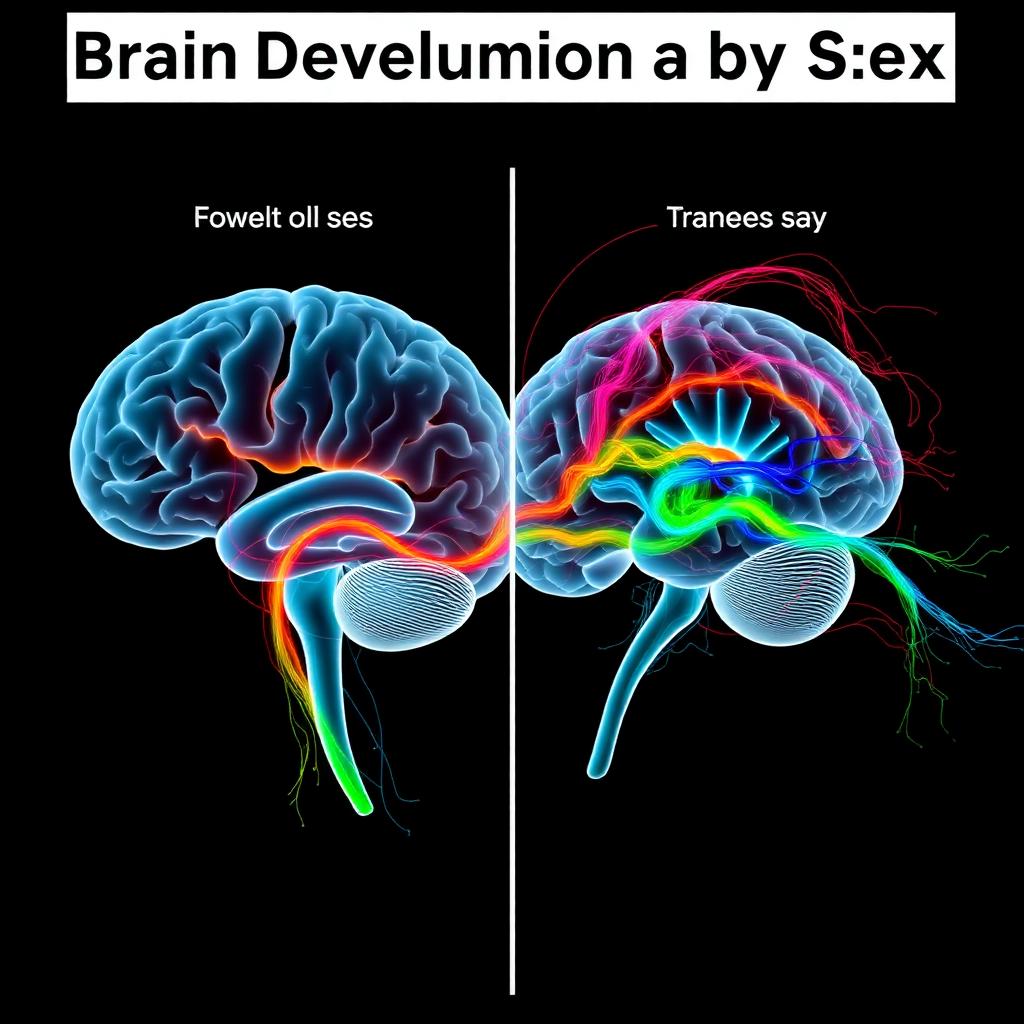
Development · Prenatal · Puberty · 8 min
Developmental Differences: How Sex Shapes the Growing Brain
Sex differences in the brain are not present at birth in full form. They emerge gradually through prenatal hormone exposure, puberty, and differential experience.
Read article
Gender Identity · Brain · Transgender · 9 min
The Neuroscience of Gender Identity
Gender identity — the internal sense of being male, female, both, neither, or somewhere along the gender spectrum — has measurable neural correlates.
Read article
Mental Health · Sex Differences · Depression · 9 min
Mental Health and Sex Differences: Depression, Anxiety, and Beyond
Mental health conditions often look different in males and females — and understanding why matters for diagnosis and treatment.
Read article
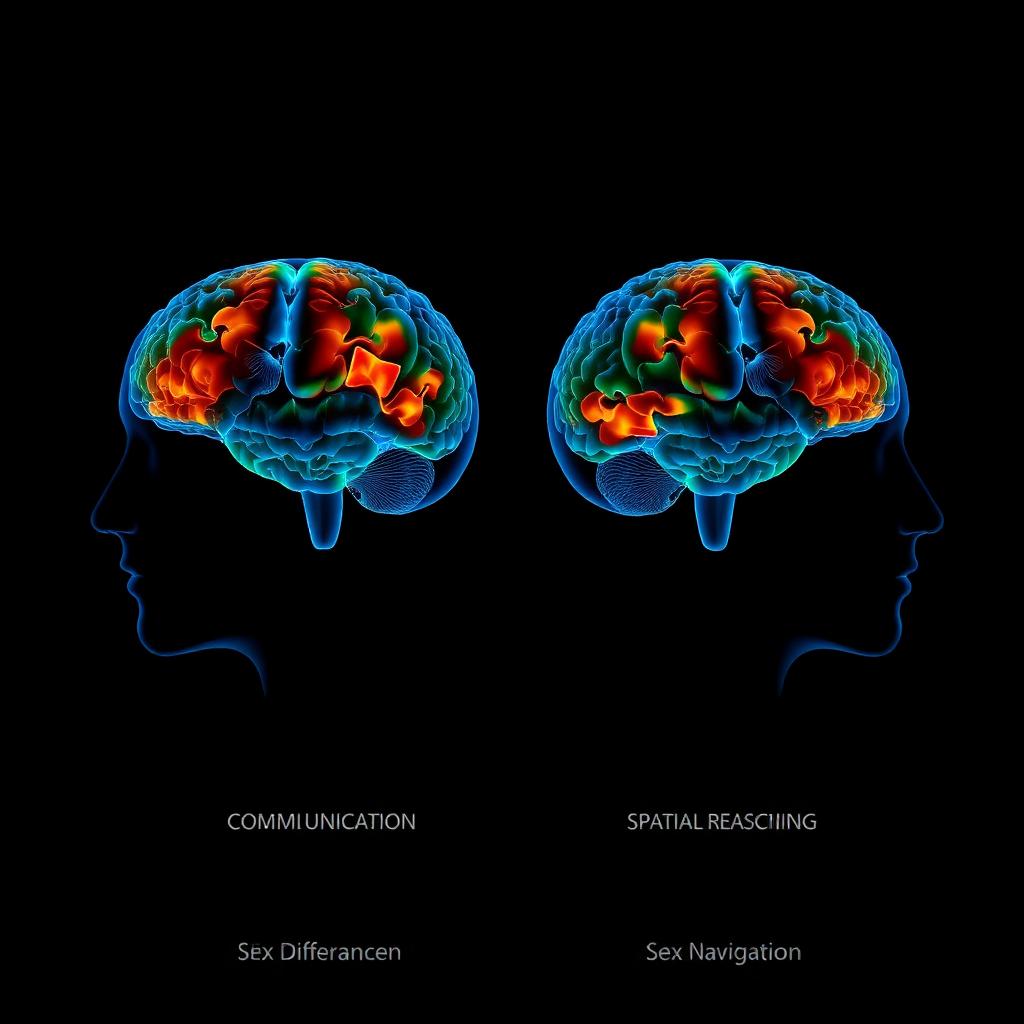
Social · Spatial · Cognition · 8 min
Social Cognition, Spatial Ability, and Sex Differences
Popular narratives about male spatial skills and female social skills contain grains of truth — but also significant distortion.
Read article
Neurodivergence · Gender · Autism · 8 min
Neurodivergence and Gender Diversity: The Overlap
Autistic, ADHD, and gender-diverse populations show higher rates of overlap than chance would predict. Understanding why matters for support and care.
Read article
Aging · Sex Differences · Dementia · 8 min
Aging and Sex Differences: Hormones, Brain Health, and Longevity
The aging brain is shaped by sex — from menopausal transitions to differential dementia risk.
Read article
Frequently asked questions
Are male and female brains fundamentally different?
+
Group differences exist in brain volume, connectivity patterns, and some regional volumes, but the distributions overlap substantially. No single brain feature reliably distinguishes males from females, and individual variation within each sex is much larger than average differences between sexes.
Is gender identity in the brain?
+
Research shows that gender identity is associated with specific brain patterns, particularly in regions involved in self-representation and body perception. These patterns are more aligned with experienced gender than with birth sex in transgender individuals.
Do hormones permanently change the brain?
+
Hormones shape brain development during critical periods, but their effects are not permanently fixed. Hormone therapy in adulthood produces measurable changes in brain structure and function, demonstrating continued plasticity.
Why do depression rates differ by sex?
+
Multiple factors contribute: hormonal fluctuations, different stress responses, socialization patterns, and help-seeking behavior. The biological and social components interact in complex ways.
Further reading & sources
Sponsor this work
BRAINMATTER is independent and reader-supported. Everything here stays free, ad-light, and open to everyone. A one-time sponsorship covers research time, editorial review, and hosting so we can keep publishing without paywalls.
Explore the BRAINMATTER pillars
Authoritative cornerstone hubs across human intelligence, AI, neurotechnology, and the brain economy. Each link goes to a pillar with long-form explainers, sources, and FAQs.
The Future of Human Intelligence
Flagship pillar on cognitive neuroscience, neuroplasticity, and the next 25 years of the human mind.
Human intelligence · Neuroplasticity · Brain capital
Human Intelligence & Cognitive Neuroscience
How the brain learns, remembers, reasons, and feels — from working memory to consciousness.
Cognitive neuroscience · Memory · Consciousness
Artificial Intelligence & NeuroAI
Foundation models, transformers, multimodal systems, and brain-inspired AI architectures.
AI · NeuroAI · Foundation models
Artificial General Intelligence (AGI)
Definitions, benchmarks, timelines, and the open scientific problems on the road to AGI.
AGI · Superintelligence · Scaling laws
Neurotechnology & Brain–Computer Interfaces
BCIs, neural implants, neuromodulation, and the engineering of human cognition.
Neurotechnology · BCI · Neural implants
Human–AI Collaboration & Cognitive Enhancement
How humans and intelligent systems augment each other's reasoning, creativity, and decision-making.
Human-AI collaboration · Cognitive enhancement
Neurodivergence & Brain Health
Autism, ADHD, dyslexia, and the neuroscience of cognitive diversity and lifelong brain health.
Neurodivergence · Brain health · Neurodiversity
AI Ethics, Safety & Alignment
Bias, privacy, misinformation, AI safety, and governance of intelligent systems.
AI ethics · Alignment · Governance
Future of Humanity & the Brain Economy
Long-horizon scenarios for the brain economy, post-AGI society, and civilizational risk.
Brain economy · Post-AGI · Long-termism
Intelligence Index — Human vs Machine
The definitive comparison of biological and artificial cognition across substrate, scale, and reasoning.
Intelligence index · Benchmarks · Comparative cognition
Frontier AI & Neuroscience Labs
Deep profiles of the research organizations defining the next era of intelligence.
OpenAI · Anthropic · DeepMind · Neuralink